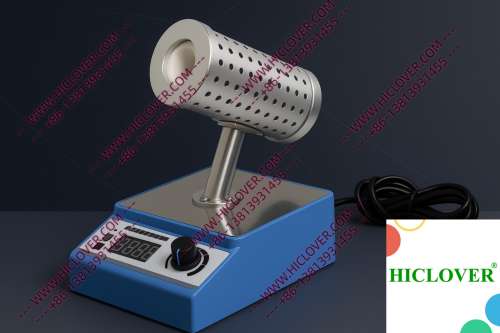
Laboratories worldwide face stringent biosafety challenges, especially in environments where contamination control is paramount. This is particularly true in BSL-2 and BSL-3 microbiology labs where the handling of pathogens requires adherence to rigorous sterilization protocols. The conventional methods like alcohol lamps and Bunsen burners often introduce risks such as open flames and aerosol generation. As laboratories evolve to meet modern-day demands, innovations like Tokyo’s micro incinerators are leading the way toward a safer, greener, and more efficient future in laboratory sterilization.
Technical Principles of Micro Incinerators
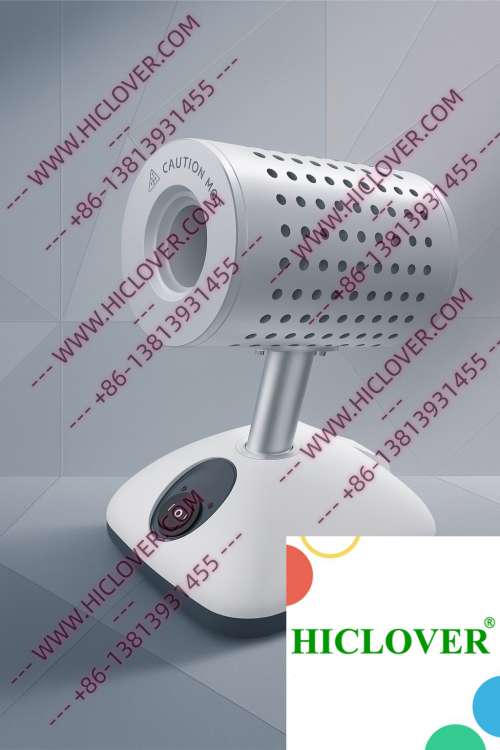
The micro incinerator, also known as an infrared inoculating loop sterilizer, operates on the principle of rapid thermal sterilization using infrared heat. The design typically features an enclosed ceramic tube that reaches high temperatures to ensure effective disinfection. The ceramic chamber provides a stable thermal environment, allowing for uniform heating and extending the lifespan of the heating element. Infrared technology enables the equipment to achieve sterilization in seconds, offering an efficient alternative to traditional flame sterilizers.
Advantages Over Traditional Flame Sterilizers
- Safety: Eliminates open flames, reducing fire risks in sensitive environments like clean rooms.
- Cleansing Efficiency: Rapid thermal sterilization ensures comprehensive disinfection of inoculating loops and tools.
- Aerosol-free Handling: Reduces the potential for aerosol generation during sterilization, which is critical in biosafety settings.
- Environmentally Friendly: Operates without the need for chemical disinfectants, aligning with sustainability goals.
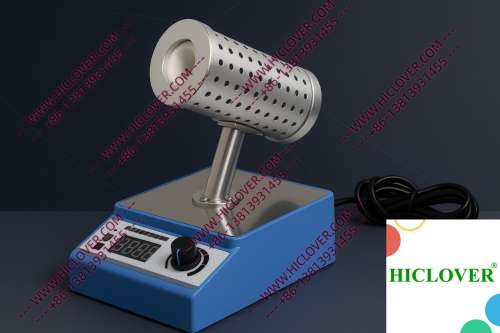
Application Scenarios in Real Labs
1. Application in University Teaching Labs
In educational settings, particularly university teaching labs, micro incinerators serve as invaluable tools for effective sterilization. Students working with cultures and biological samples must adhere to stringent biosafety protocols. Utilizing an infrared inoculating loop sterilizer allows them to focus on their experiments without the distraction of managing flames, ensuring a safe learning environment. Furthermore, the compact size and ease of use of micro incinerators make them suitable for small lab benches dedicated to microbiology courses.
2. Application in Clinical Diagnostics
Clinical diagnostic laboratories require robust sterilization solutions to maintain the integrity of tests and samples. In such settings, micro incinerators are often employed in biosafety cabinets. The compact and sealed design of the sterilizer helps maintain a clean airflow within the cabinet, significantly reducing the risk of contamination. Additionally, this appliance allows technicians to sterilize equipment rapidly between sampling procedures, crucial for accurate results and patient safety.
Biosafety Compliance and Environmental Standards
The World Health Organization (WHO) sets stringent standards for laboratory biosafety, especially regarding sterilization practices. Compliance with these standards is essential for any laboratory handling pathogenic microorganisms. Micro incinerators not only adhere to WHO biosafety requirements but also meet various international laboratory sterilization standards. Unlike traditional flame sterilizers, they are designed to operate safely in clean rooms, providing a flame-free solution that mitigates the risk of contamination from aerosols or chemical residues. This adherence to mandated safety regulations is critical in ensuring laboratory efficacy and ecological responsibility.
Comparison Table: Micro Incinerator vs. Flame Burners
| Feature | Micro Incinerator | Flame Burners (Bunsen Burner) |
|---|---|---|
| Safety | Flame-free operation | Open flame, risk of fire |
| Speed of Sterilization | Instant, 3 seconds | Time-consuming, requires preparation |
| Environmental Impact | Eco-friendly, no fumes | Produces fumes, uses flammable gas |
| Ease of Use | Simple one-button operation | Skills needed for flame management |
Frequently Asked Questions (FAQs)
1. What is a micro incinerator used for?
A micro incinerator is primarily used to sterilize inoculating loops, needles, and other laboratory tools rapidly and efficiently.
2. Are micro incinerators safe for use in BSL-2 labs?
Yes, micro incinerators are designed to meet biosafety standards, making them suitable for use in BSL-2 and other high-containment labs.
3. How does an infrared inoculating loop sterilizer work?
The sterilizer uses infrared heating to achieve rapid thermal sterilization, ensuring effective disinfection various laboratory utensils.
4. Can micro incinerators be used in field testing labs?
Absolutely! Their portable design and fast sterilization capability make them ideal for mobile laboratories and field testing scenarios.
5. How does the maintenance of a micro incinerator compare to traditional flame sterilizers?
Micro incinerators generally require less maintenance than traditional burners as they do not involve combustible materials or complex flame management.
Conclusion
Tokyo’s micro incinerators are revolutionizing laboratory sterilization, addressing crucial biosafety challenges and enhancing workflow efficiency in various lab settings. As laboratories continue to seek greener and safer alternatives to traditional sterilization methods, investing in this state-of-the-art sterilization equipment can significantly improve your lab’s operational efficacy. For further information or to explore purchasing options, we encourage you to reach out to us today!
Categories:
Tags: