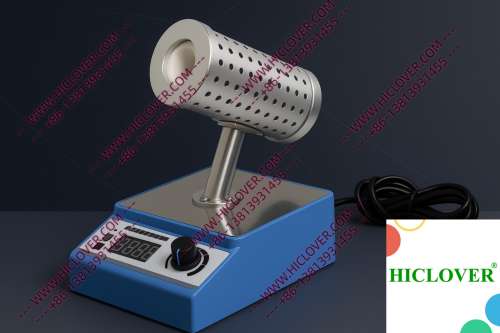
As laboratories push the boundaries of scientific discovery, they concurrently face significant biosafety challenges. One such challenge is the effective sterilization of inoculating loops and other laboratory instruments to mitigate contamination risks. In the wake of rising environmental concerns and the need for stringent adherence to sterilization standards, Greece is increasingly adopting micro incineration technology. This article explores the role of the Micro Incinerator, particularly the Infrared Inoculating Loop Sterilizer, in revolutionizing laboratory practices amid stringent biosafety demands.
Technical Principles of Micro Incinerators
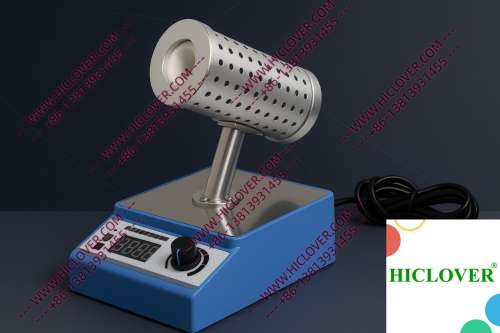
Micro incineration employs advanced thermal sterilization techniques designed for rapid and efficient disinfection. Utilizing infrared heat technology, these devices provide a clean, enclosed ceramic heating chamber that subject equipment to high temperatures swiftly. Unlike traditional flame sterilizers, which can produce hazardous aerosols and contaminants, infrared sterilizers offer a clean-bench-safe environment ideal for sensitive laboratory operations.
Enhanced Design Features
- Rapid Thermal Sterilization: Achieves sterilization in mere seconds.
- Compact and Portable: Easily fit into any lab space, making it conducive for field testing or mobile labs.
- Increased Safety: Eliminates the risk of open flames and reduces the potential for chemical exposure.
- Environmentally Friendly: Uses less energy and reduces the environmental footprint associated with traditional flame sterilization.
- Adherence to laboratory sterilization standards to prevent cross-contamination.
- Strict regulations regarding flame usage in cleanrooms and sensitive lab environments.
- Incorporation of flame-free sterilization solutions to enhance safety protocols.
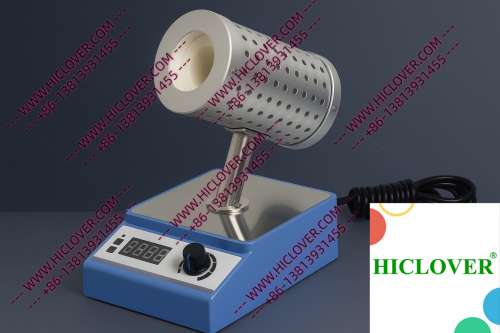
Real Laboratory Applications
Across Greece, the Micro Incinerator is finding diverse applications in various laboratory environments, reflecting its versatility and reliability in biosafety compliance.
Biosafety Cabinet Utilization
In BSL-2 and BSL-3 microbiology labs, the stringent need for maintaining a sterile environment is paramount. Micro Incinerators are often integrated into biosafety cabinets, allowing researchers to easily sterilize inoculating loops without exposing them to open flames. The rapid thermal disinfection process not only conserves time but also minimizes the risk of contamination of sensitive microbiological samples.
Field Testing Scenarios
Mobile labs or field testing laboratories, especially those engaged in environmental and clinical diagnostics, are embracing micro incineration technology. In scenarios where maintaining sterility is crucial—such as collecting and processing samples—using a Micro Incinerator provides both efficiency and safety. Laboratory staff can decontaminate tools on-site without worrying about flame safety in outdoor or uncontrolled environments.
Compliance and Environment Considerations
Greece’s transition towards micro incineration for waste disposal aligns perfectly with international biosafety standards and hygiene policies. According to the WHO biosafety guidelines, effective sterilization methods must be employed to ensure the safety of laboratory workers and the environment. Key compliance aspects include:
These compliance elements reflect a holistic approach to safety, ensuring that laboratories in Greece can function effectively without compromising the health of their personnel or the surrounding environment.
Comparison of Micro Incinerators and Traditional Flame Sterilizers
| Feature | Micro Incinerator | Traditional Flame Sterilizer |
|---|---|---|
| Operation Time | Instant, seconds to sterilize | Several seconds to minutes |
| Environmental Impact | Lower emissions | Higher emissions |
| Safety | No open flames, aerosol-free | Open flames, potential for aerosol |
| Portability | Highly portable, ideal for field use | Less portable, often stationary |
FAQs About Micro Incineration
1. What is a Micro Incinerator?
A Micro Incinerator is a laboratory sterilization equipment that utilizes infrared heat technology to quickly and safely sterilize instruments like inoculating loops without the use of open flames.
2. How does the Infrared Inoculating Loop Sterilizer work?
The Infrared Inoculating Loop Sterilizer operates by heating a ceramic tube using infrared energy, allowing for rapid and effective sterilization in a contained environment.
3. Are Micro Incinerators compliant with biosafety standards?
Yes, Micro Incinerators meet WHO guidelines and international lab sterilization standards, ensuring enhanced safety protocols and compliance in laboratory environments.
4. Can Micro Incinerators be used in field laboratories?
Absolutely! Micro Incinerators are designed for portability and are ideal for use in mobile labs or field testing scenarios where maintaining a sterile environment is crucial.
5. What are the advantages of using a Micro Incinerator over traditional sterilizers?
Micro Incinerators offer rapid sterilization times, lower environmental emissions, enhanced safety without open flames, and improved portability, making them a superior choice for modern laboratory setups.
Conclusion
As laboratories in Greece navigate the increasingly complex landscape of biosafety and sterilization, adopting micro incineration technology, such as the Micro Incinerator and Infrared Inoculating Loop Sterilizer, presents a forward-thinking solution. With their rapid sterilization capabilities and compliance with stringent safety regulations, these devices not only enhance laboratory workflows but also contribute positively to environmental sustainability. For those seeking to upgrade their laboratory sterilization practices, exploring the advantages of micro incinerators could be a pivotal decision. If you’re interested in learning more or acquiring your own Micro Incinerator, feel free to reach out for further details!
Categories:
Tags: