
As Oman faces increasing challenges in managing laboratory waste, particularly in sterile environments where contamination control is paramount, the need for effective waste treatment solutions has arisen. A practical solution is the advancement of micro incinerators, specifically the Micro Incinerator or Infrared Inoculating Loop Sterilizer. These innovative devices not only address waste sterilization but also enhance the overall efficiency and safety of laboratory workflows.
The Challenges of Laboratory Biosafety
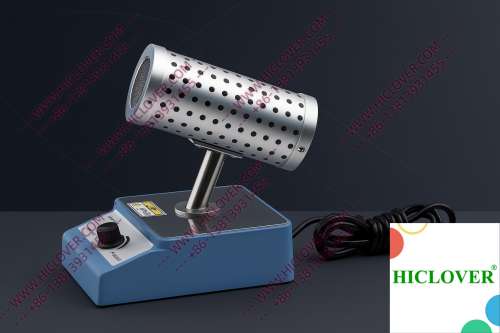
Laboratories, especially those operating under BSL-2 and BSL-3 conditions, must prioritize biosafety while effectively managing waste. Traditional sterilization methods using flame sterilizers, such as alcohol lamps or Bunsen burners, often introduce risks associated with fire hazards, incomplete sterilization, and contamination. Rapid thermal sterilization offered by micro incinerators addresses these issues.
The Micro Incinerator operates by using infrared heat generated within an enclosed ceramic heating chamber, which allows precise temperature control. This high-temperature disinfection method ensures that all biological waste is thoroughly incinerated, leaving little to no room for contamination.
Technical Principles Behind Micro Incinerators
The Micro Incinerator features a robust design characterized by:
- Infrared Heating Technology: This method offers uniform heat distribution, ensuring optimal temperature is reached rapidly for effective sterilization.
- Enclosed Ceramic Tube: The ceramic construction not only withstands high temperatures but also prevents the escape of aerosols, making it ideal for clean-bench-safe environments.
- Compact Size: Designed for laboratory use, the micro incinerator is portable, facilitating easy integration into different lab configurations, from research centers to university teaching labs.
Application Scenarios in Real Labs
Micro incinerators have proven useful in various laboratory settings:
1. Biosafety Cabinets
In environments where maintaining sterile conditions is crucial, such as in BSL-2 microbiology labs, micro incinerators can be integrated directly into biosafety cabinets. Their enclosed design allows for safe sterilization of inoculating loops and other tools without compromising the sterile field. Additionally, the absence of an open flame eliminates the risk of igniting flammable liquids or materials.
2. Field Testing
In mobile or field testing labs, where traditional sterilization methods may be impractical, the micro incinerator shines. Its lightweight and compact form make it an ideal choice for researchers conducting diagnostic tests in remote locations. In these scenarios, the ability to quickly sterilize instruments ensures reliable results without the need for a dedicated sterilization facility.
Compliance with Biosafety Standards
Compliance with global and local biosafety standards is critical for laboratories across Oman. The World Health Organization (WHO) has established guidelines for laboratory biosafety, emphasizing the need for efficient sterilization methods that limit aerosol generation. The Micro Incinerator’s aerosol-free handling mechanism aligns with these standards, ensuring laboratories can maintain a high level of safety while reducing environmental impact through effective waste disposal.
Table: Comparison of Micro Incinerator vs. Flame Burners
| Feature | Micro Incinerator | Flame Burners (e.g., Bunsen Burner) |
|---|---|---|
| Temperature Control | Precise, rapid thermal sterilization | Variable, dependent on user skill |
| Safety | Aerosol-free handling, no flame hazards | Fire hazards, risk of ignition |
| Waste Reduction | Turns waste into ash, minimal residue | May leave behind unwanted debris |
| Portability | Highly portable, ideal for field work | Less portable, requires larger setups |
FAQs About Micro Incinerators
What materials can be sterilized using a micro incinerator?
The Micro Incinerator is suitable for sterilizing various laboratory instruments, including inoculating loops, scalpels, and other heat-resistant equipment.
How does the Micro Incinerator improve laboratory workflow?
By allowing rapid sterilization with consistent results, this equipment streamlines sterilization processes, reduces contamination, and minimizes turnaround time in laboratory settings.
Can a micro incinerator be used in a clean room environment?
Yes, its design is specifically formulated to function without open flames, making it safe for use in clean rooms where maintaining sterile conditions is critical.
How does the micro incinerator comply with international biosafety standards?
It meets WHO biosafety guidelines by reducing aerosol risks and ensuring that sterilization is complete and efficient.
Is the micro incinerator suitable for educational purposes?
Absolutely. It is an excellent tool for university teaching labs, offering students hands-on experience with modern sterilization techniques.
Conclusion
As Oman embraces innovation in waste management through effective laboratory sterilization, the Micro Incinerator represents a leap forward in biosafety and environmental responsibility. By utilizing this cutting-edge technology, laboratories can significantly enhance their sterilization workflows while remaining compliant with safety standards. For laboratories seeking reliable sterilization solutions, connecting with distributors for Micro Incinerators presents an opportunity for improving operational efficiency and fostering a safer research environment.
Contact us today to learn more about our Micro Incinerator offering and enhance your laboratory’s waste management practices!
Categories:
Tags: