
Laboratory biosafety is a pressing concern in today’s research landscape, especially as the demand for effective sterilization methods increases across various industries. With urban waste challenges becoming more prevalent in countries like Mexico, it is critical to adopt innovative solutions that fulfill sterilization needs responsibly and efficiently. One such device gaining traction is the Micro Incinerator, particularly the Infrared Inoculating Loop Sterilizer, known for its rapid thermal sterilization capabilities and contamination control efficacies.
Understanding the Technical Principle
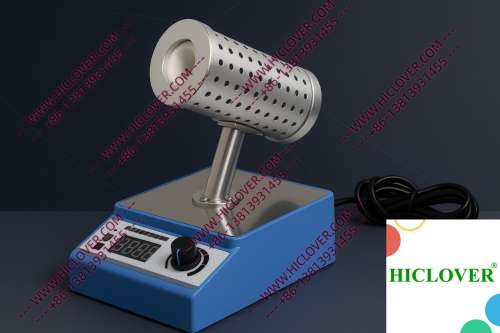
Micro Incinerators operate on the principle of infrared heat, providing a safe and rapid method to sterilize inoculating loops and other laboratory tools. Unlike traditional flame sterilizers, these units feature an enclosed ceramic heating chamber that generates high temperatures without the risks associated with open flames. This design not only enhances user safety but also decreases the chances of cross-contamination, making it ideal for use in BSL-2 and BSL-3 microbiology labs, clinical diagnostics, and other settings requiring stringent biosecurity measures.
Key Features of the Micro Incinerator
- Rapid Thermal Sterilization: Achieves effective sterilization within seconds, enhancing workflow efficiency.
- Contamination Control: A closed system minimizes the risk of aerosol generation during sterilization.
- High-Temperature Disinfection: Utilizes infrared technology for rapid disinfection without the presence of flames.
- Compact Design: Ideal for laboratories with limited space, easy to integrate into existing equipment.
- Clean-Bench-Safe: Meets the requirements for use in clean rooms and sensitive environments.
- What are the main advantages of using a Micro Incinerator over a traditional flame sterilizer?
Micro Incinerators offer rapid sterilization, enhanced safety, and improved contamination control, making them ideal for various laboratory applications. - Can the Micro Incinerator be used in all types of laboratories?
Yes, it is suitable for BSL-2 and BSL-3 labs, clinical diagnostics, university training labs, and even mobile field testing laboratories. - How does the Micro Incinerator comply with WHO and CDC regulations?
The device adheres to biosafety standards by utilizing infrared heat for sterilization, thereby minimizing aerosol generation and ensuring safe handling in sensitive environments. - Is the Micro Incinerator easy to use for beginners?
Yes, the design is straightforward and user-friendly, making it accessible for students and researchers alike. - What is the expected lifespan of a Micro Incinerator?
With proper maintenance, the Micro Incinerator should provide reliable performance for several years, making it a solid investment for laboratories.
Practical Application Scenarios
The versatile application of Micro Incinerators can be observed in various laboratory settings. Here are two primary examples:
1. University Teaching Labs
In educational institutions, students often engage with various microbiological techniques. The Micro Incinerator provides a safe method for students to sterilize inoculating loops during bacterial culture processes. Unlike traditional flame sterilizers, which pose a risk within educational environments, the Micro Incinerator reduces fire hazards while ensuring effective sterilization, allowing instructors to emphasize safety alongside learning.
2. Mobile Field Testing Labs
Field testing for environmental samples often takes place in locations with limited access to traditional sterilization equipment. Micro Incinerators shine in this regard, offering portable, efficient solutions for sterilizing tools on-site, ensuring that samples remain uncontaminated. Their compactness and reliance on infrared heat make them perfect for remote locations where workspace is limited and safety concerns loom large.
Compliance with Biosafety and Environmental Standards
Meeting biosafety regulations is crucial in laboratory operations, especially in a country like Mexico that is working to improve laboratory standards and environmental protections. The World Health Organization (WHO) emphasizes the importance of maintaining safe laboratory practices, and the Micro Incinerator aligns with these guidelines by preventing aerosol contamination and ensuring no flames are present in sensitive environments.
This unit complies with laboratory sterilization standards, making it a reliable choice for labs involved in clinical diagnostics, research, or educational endeavors. For instance, incorporating this device allows laboratories to maintain compliance with guidelines from organizations such as the Center for Disease Control (CDC) and the National Institute of Health (NIH), which prioritize contamination control and safety.
Micro Incinerators vs. Traditional Flame Sterilizers
| Feature | Micro Incinerator | Traditional Flame Sterilizers |
|---|---|---|
| Heat Source | Infrared | Open Flame |
| Safety | Low-risk of fire | High-risk of fire |
| Speed of Sterilization | Seconds | Minutes |
| Contamination Control | High | Variable |
| Environmental Impact | Low | Medium to High |
Frequently Asked Questions
Conclusion
As urban waste challenges continue to grow, embracing advanced sterilization technologies such as the Micro Incinerator becomes essential for laboratories across Mexico. This innovative device not only enhances biosafety protocols and compliance with international standards but also simplifies laboratory workflows significantly. For laboratories aiming to improve their sterilization processes, considering the purchase of a Micro Incinerator can be a step toward achieving improved safety, efficiency, and compliance. Reach out today to explore how you can integrate this cutting-edge technology into your workflow!
Categories:
Tags: