
Modern laboratories face challenging biosafety demands, particularly in the realm of waste disposal and sterilization. Traditional sterilization methods, such as alcohol lamps and Bunsen burners, not only present risk factors such as open flames, but they can also leave behind residue that complicates laboratory cleanliness. As the world shifts towards more efficient, eco-friendly solutions, odorless micro incinerators are paving the way for a new era in lab sterilization equipment.
Technical Principles of Infrared Micro Incinerators
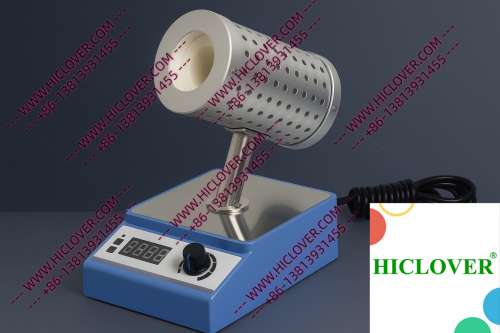
At the heart of the micro incinerator’s efficiency lies the technology of infrared heat. This device is equipped with an enclosed ceramic heating chamber that rapidly incinerates biological waste, inactivating any pathogenic material without producing harmful emissions. The infrared inoculating loop sterilizer heats to high temperatures in an instant, ensuring that samples are sterilized quickly and effectively. This method not only enhances safety by eliminating the risk of open flames but also significantly improves the laboratory workflow.
Applications of Micro Incinerators in Laboratories
Biosafety Cabinets
In BSL-2 and BSL-3 microbiology labs, maintaining contamination control is paramount. Micro incinerators are becoming an essential addition to biosafety cabinets, allowing researchers to sterilize inoculating loops and tools within a contained environment. This not only eliminates the risk of generating aerosolized pathogens but also supports compliance with stringent laboratory safety standards.
Field Testing Labs
Field testing labs frequently operate in varying conditions, requiring portable and reliable sterilization solutions. Micro incinerators excel in these scenarios due to their compact design and battery-operated models, allowing sterile processing even in remote locations. For instance, a field team collecting samples from contaminated water sources can utilize a micro incinerator to ensure immediate decontamination of collection instruments, facilitating safer analysis procedures.
Compliance with Biosafety Standards
Complying with WHO biosafety guidelines and laboratory sterilization standards has never been more vital. Traditional flame sterilizers can be risky in clean rooms due to ignition potential and air contamination. In contrast, micro incinerators provide an aerosol-free handling process and meet global sterilization compliance standards. For laboratories seeking to adhere to rigorous decontamination protocols, integrating micro incinerators into their workflow reinforces their commitment to safety and environmental responsibility.
Advantages of Micro Incinerators Over Traditional Flame Sterilizers
| Feature | Micro Incinerator | Traditional Flame Sterilizers |
|---|---|---|
| Safety | Odorless, no open flames | Open flames pose ignition risk |
| Efficiency | Rapid thermal sterilization | Longer warm-up time |
| Contamination Control | Aerosol-free handling in enclosed systems | Possible generation of aerosols |
| Environmental Impact | Low emissions, eco-friendly | Potential harmful emissions |
FAQs About Micro Incinerators
- What is the primary function of a micro incinerator?
The primary function is to provide rapid and effective sterilization of laboratory tools and waste. - How does a micro incinerator ensure safety in the lab?
It operates without open flames, reducing the risk of fire hazards and contamination. - Can micro incinerators be used in field labs?
Yes, their portable design allows for use in various environments. - How does infrared heating work in sterilization?
Infrared heaters rapidly raise the temperature of instruments, destroying bacteria and viruses effectively without the need for traditional flame. - Are there any specific compliance standards for micro incinerators?
Yes, they conform to WHO biosafety and other international laboratory standards.
Conclusion: Elevate Your Laboratory’s Sterilization Efforts
As laboratories continue to evolve in response to safety and environmental challenges, the adoption of odorless micro incinerators represents a significant advancement in waste disposal and sterilization technology. From enhancing laboratory workflows to ensuring compliance with stringent safety standards, these devices offer an innovative solution to modern laboratory challenges. For those interested in upgrading their sterilization equipment, consider reaching out for more information on micro incinerators. Your laboratory deserves the best in clean and efficient waste management solutions.
Categories:
Tags: