
In today’s fast-paced laboratory environments, the challenge of maintaining biosafety while ensuring efficient sterilization processes is paramount. As laboratory professionals grapple with contamination control, traditional sterilization methods often fall short. The introduction of Continuous Sterilization Systems, particularly the Micro Incinerator or Infrared Inoculating Loop Sterilizer, has revolutionized the way laboratories approach these challenges. This article explores how this advanced laboratory sterilization equipment is setting new standards for food safety and laboratory biosafety, particularly in BSL-2 and BSL-3 microbiology labs.
Understanding the Technical Principles Behind the Micro Incinerator
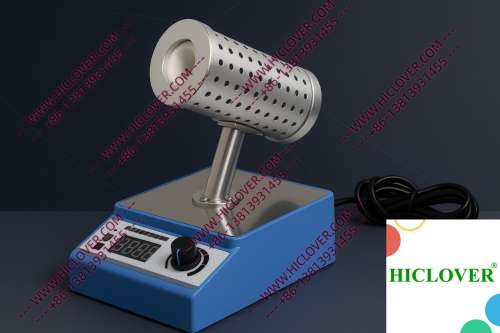
The Micro Incinerator employs rapid thermal sterilization using infrared heat, providing a clean, efficient, and safe way to eliminate microbial contamination. At the heart of this technology lies an enclosed ceramic heating chamber that reaches high temperatures in mere seconds. Unlike traditional methods such as alcohol lamps or Bunsen burners, the Micro Incinerator offers a flame-free solution that minimizes the risks associated with open flames in clean rooms or biosafety cabinets.
Furthermore, this innovative device allows for aerosol-free handling, which is crucial in preventing the spread of contaminants. The infrared heating mechanism works by directly sterilizing inoculating loops and tools by concentrating heat on the surface, ensuring thorough microbial kill without the drawbacks of flames.
Application Scenarios in Real Labs
1. BSL-2 Microbiology Labs
In BSL-2 microbiology labs, the Micro Incinerator has become a go-to solution for sterilizing tools needed for routine microbiological manipulations. For example, during culturing experiments, researchers utilize the Micro Incinerator within a biosafety cabinet to quickly sterilize inoculating loops and needles without introducing harmful aerosols or flames into the sterile environment. This not only enhances safety but also streamlines workflows, allowing researchers to focus more on their experiments rather than on contamination concerns.
2. University Teaching Labs
In educational settings, particularly in university biology departments, the Micro Incinerator has proven invaluable. Students can safely learn and practice sterilization techniques without the apprehension of working with an open flame. Instructors can demonstrate proper inoculation methods using this equipment, ensuring that students are educated on modern biosafety standards while also encouraging effective contamination control practices. The ability to handle the device with ease and minimal risk promotes a more conducive learning environment.
Compliance and Environmental Considerations
Adhering to biosafety standards is critical in any laboratory setting. The World Health Organization (WHO) and other regulatory bodies emphasize the importance of proper sterilization methods. The Micro Incinerator aligns well with these guidelines by providing a safe, effective alternative to flame sterilizers, which can be problematic in clean room environments where open flames may compromise sterile conditions.
| Feature | Micro Incinerator | Flame Burners |
|---|---|---|
| Heat Source | Infrared heating, enclosed ceramic tube | Open flame |
| Safety | No flame, reduced risk of fire hazards | Flammable, risk of burns |
| Speed | Instant heating, rapid sterilization | Time-consuming, requires setup |
| Aerosol-free Handling | Yes | No |
| Environmentally Friendly | Safe for cleanrooms | Not recommended |
By adopting the Micro Incinerator, labs can meet compliance demands while improving both safety and effectiveness in sterilization practices. Furthermore, its design minimizes environmental impact, conforming with eco-friendly lab practices.
FAQs
- What is the primary advantage of using a Micro Incinerator over traditional flame sterilizers?
The Micro Incinerator ensures rapid thermal sterilization without the risks associated with open flames, making it safer and more efficient in various laboratory settings. - Can the Micro Incinerator be used in cleanrooms?
Yes, the Micro Incinerator is designed for use in cleanrooms and BSL environments. Its flame-free operation prevents contamination risks often associated with traditional flame sterilizers. - What types of laboratories can benefit from using a Micro Incinerator?
This equipment is ideal for BSL-2 and BSL-3 microbiology labs, clinical diagnostics, university teaching labs, and mobile field testing facilities. - How does the Micro Incinerator contribute to biosafety?
It provides a safe, efficient way to sterilize instruments, protecting both laboratory personnel and specimens from contamination. - Is the Micro Incinerator easy to use for beginners?
Absolutely! The user-friendly design of the Micro Incinerator makes it suitable for laboratory personnel of all experience levels.
Conclusion
As the landscape of laboratory biosafety continues to evolve, Continuous Sterilization Systems like the Micro Incinerator are setting new standards for food safety and contamination control. With their innovative design and enhanced safety features, these sterilization solutions are essential for any modern laboratory seeking to improve workflow, compliance, and overall safety. For more information on how the Micro Incinerator can benefit your lab environment, don’t hesitate to reach out to our sales team today. Your journey towards a safer, more efficient laboratory begins here!
Categories:
Tags: