
When it comes to maintaining laboratory biosafety, the importance of effective sterilization cannot be overstated. Laboratories, especially those designated as BSL-2 or BSL-3, face practical challenges in ensuring contamination control, workflow efficiency, and compliance with stringent protocols. The choice of sterilization equipment, such as the Micro Incinerator or Infrared Inoculating Loop Sterilizer, can significantly impact not only safety but also the overall operational workflow.
Understanding the Technical Principles of Infrared Sterilization
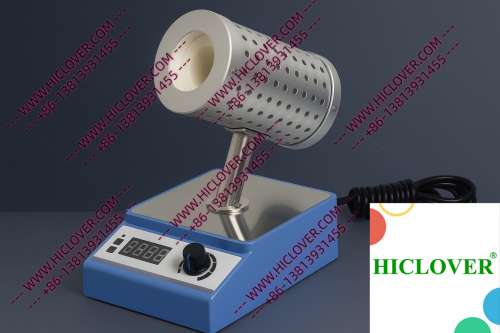
The Micro Incinerator functions based on the principle of rapid thermal sterilization through infrared heat. Unlike traditional flame sterilizers like Bunsen burners or alcohol lamps, which emit an open flame, the infrared sterilization process offers a more controlled and enclosed environment. This method utilizes a ceramic heating chamber, which can reach high temperatures to disinfect inoculating loops quickly without generating aerosols or combustion by-products that may contaminate the working area.
Key Features of Micro Incinerators
- Rapid Thermal Sterilization: Quickly sterilize inoculating loops in 5-7 seconds.
- Clean-Bench-Safe: Designed for use in biosafety cabinets and clean rooms.
- Aerosol-Free Handling: Reduces the risk of airborne contamination.
- Easy Maintenance: Minimal upkeep with robust ceramic design.
Real-World Applications in Laboratory Settings
Micro Incinerators are versatile instruments that can greatly enhance workflow in various lab settings. Here are two application scenarios:
1. Biosafety Cabinets
In many BSL-2 and BSL-3 microbiology labs, a biosafety cabinet provides a sterile space to work with pathogens. The Micro Incinerator complements this environment by allowing researchers to sterilize inoculating loops without compromising the cabinet’s sterile conditions. The enclosed design ensures that the generated heat doesn’t escape, minimizing the risk of contamination.
2. Field Testing in Mobile Labs
In situations where laboratory tests are required in the field, such as environmental monitoring or disease control efforts in rural areas, a Micro Incinerator provides a portable and efficient means of handling sterilization. The rapid heat application ensures that samples are processed quickly, which is critical in time-sensitive situations.
Compliance with Sterilization Standards
Compliance with laboratory sterilization standards is paramount for labs around the world. Organizations such as the World Health Organization (WHO) have established guidelines that promote safe practices in laboratory environments. For example, it is essential for laboratories to implement strict protocols to avoid open flames in clean rooms to prevent contamination. The Micro Incinerator not only adheres to these safety standards but also enhances laboratory protocols by providing an efficient and reliable sterilization method.
Micro Incinerator vs. Traditional Flame Sterilizers
| Feature | Micro Incinerator | Flame Sterilizers |
|---|---|---|
| Heat Source | Infrared Ceramic | Open Flame |
| Sterilization Time | 5-7 seconds | 10-15 seconds |
| Contamination Risk | Aerosol-free | High risk |
| Use in Clean Rooms | Yes | No |
| Ease of Use | Very easy | Requires skill |
Frequently Asked Questions (FAQs)
1. What is the primary advantage of using a Micro Incinerator over a traditional flame sterilizer?
The primary advantage is its ability to sterilize without generating harmful aerosols or exposing materials to an open flame, increasing safety and effectiveness in sensitive environments.
2. Can Micro Incinerators be used in all laboratory settings?
Yes, they are versatile and can be used in various settings, including BSL-2 and BSL-3 labs, as well as teaching and field labs, while ensuring compliance with safety regulations.
3. How do I maintain a Micro Incinerator?
Maintaining a Micro Incinerator is straightforward. Regular cleaning of the ceramic tube and ensuring that all parts are functioning correctly will ensure optimal performance.
4. Is there a specific procedure for using the Micro Incinerator?
Yes, always follow the manufacturer’s guidelines. Generally, you will preheat the unit, then insert the inoculating loop for 5-7 seconds to ensure full sterilization.
5. Why are clean-bench-safe sterilizers important in microbiology labs?
Clean-bench-safe sterilizers minimize the risk of contamination by preventing aerosols and maintaining sterile conditions, which is essential for accurate and reliable scientific work.
Conclusion
Choosing the right sterilization equipment for your microbiology lab, particularly the Micro Incinerator or Infrared Inoculating Loop Sterilizer, is essential for maintaining high standards of safety and efficiency. With its rapid sterilization capability, safety compliance, and versatile applications, it is an invaluable asset to any lab setting. If you’re considering upgrading your sterilization tools, contact us today to discuss the best options tailored for your laboratory needs.
Categories:
Tags: