
In the ever-evolving landscape of modern laboratories, the quest for cleanliness and sterility can often be fraught with challenges. From contamination control to meeting stringent biosafety standards, laboratories must continually adapt their sterilization workflows. One of the most effective, innovative solutions to this dilemma is the Micro Incinerator or Infrared Inoculating Loop Sterilizer, which offers a high-tech alternative to traditional flame sterilizers.
The Need for Efficient Sterilization Equipment
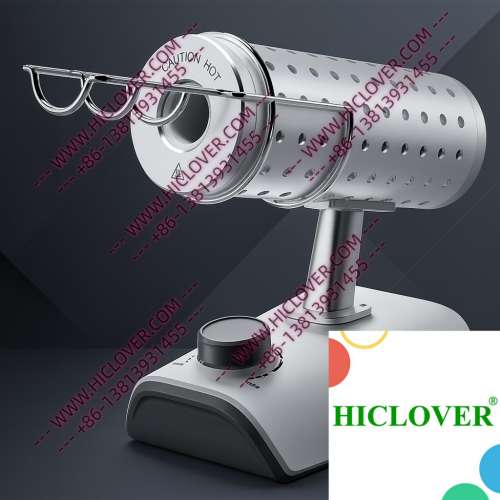
Laboratories tasked with handling sensitive biological materials, such as those operating in BSL-2 and BSL-3 environments, face unique sterilization demands. Flame sterilizers, like alcohol lamps, are often seen as effective but come with notable downsides, including the risk of aerosols and a potential for open flames in clean environments. Introducing the Micro Incinerator into the sterilization workflow not only enhances safety but also ensures compliance with global laboratory standards.
Technical Specifications and Principles
The Micro Incinerator utilizes infrared heat through an enclosed ceramic tube to achieve rapid thermal sterilization. This design offers several advantages over traditional systems, including:
- Environmentally friendly operation without open flames
- Fast heating and cooling cycles for increased efficiency
- Complete aerosol-free handling, enhancing safety
- What is a Micro Incinerator, and how does it work?
The Micro Incinerator uses infrared heat to rapidly and safely sterilize inoculating loops and tools without the need for open flames. - Are Micro Incinerators compliant with laboratory safety standards?
Yes, they are designed to meet and exceed WHO biosafety standards for laboratory environments. - Can Micro Incinerators be used in field testing labs?
Absolutely! Their portable design and efficiency make them suitable for mobile or outdoor testing scenarios. - What are the advantages of a Micro Incinerator over traditional sterilizers?
Micro Incinerators provide increased safety, faster sterilization cycles, and minimized aerosol exposure, making them a superior choice in many laboratory settings. - How easy is it to incorporate a Micro Incinerator into existing laboratory workflows?
They can be easily integrated into various setups, including biosafety cabinets and teaching labs, enhancing the sterilization process with minimal disruption.
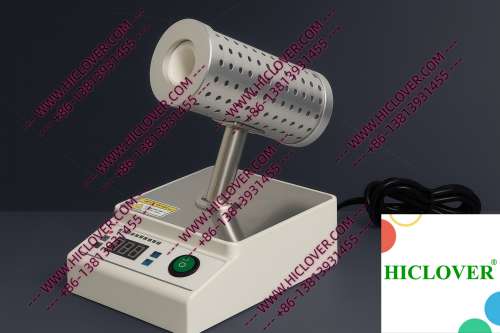
By harnessing high-temperature disinfection, the Micro Incinerator effectively reduces the likelihood of contamination, making it an invaluable tool in any sophisticated laboratory setting.
Applications in Real Laboratories
1. Biosafety Cabinets
In a biosafety cabinet, maintaining a sterile workspace is crucial. The Micro Incinerator seamlessly integrates into this environment, providing targeted sterilization of inoculating loops and other tools while ensuring that the cabinate remains free from harmful pathogens. This integration minimizes the transmissibility risk of biological contaminants and aligns perfectly with biosafety standards.
2. Teaching Labs
University laboratories, especially those that focus on microbiology and clinical diagnostics, are perfect candidates for incorporating the Micro Incinerator into their sterilization routine. Students handling inoculating loops benefit from a clean and safe method to achieve sterilization without the distractions and dangers presented by flame options. This fosters an educational environment that prioritizes safety.
Compliance with Global Standards
Meeting compliance standards set by organizations like the WHO is critical for laboratory operations worldwide. The Micro Incinerator aligns with these regulations by offering a safer alternative devoid of open flames, which are prohibited in clean rooms and sensitive laboratory environments. Furthermore, utilizing infrared sterilization technology not only meets but often exceeds laboratory sterilization standards.
Comparison: Micro Incinerator vs. Traditional Flame Sterilizers
| Feature | Micro Incinerator | Flame Sterilizer |
|---|---|---|
| Operational Safety | No flames, minimal risk | Open flames, risk of fire |
| Efficiency | Rapid heating & cooling | Slower changeover times |
| Aerosols | Aerosol-free handling | Potential aerosol generation |
| Environmental Impact | Eco-friendly | Limited control over emissions |
Improving Laboratory Workflow
The introduction of the Micro Incinerator into the sterilization process can significantly streamline laboratory workflow. By removing the need for manual flame adjustment and monitoring, lab personnel can focus more on their research and experimental procedures. This boosts overall productivity, as elements of time and risk are effectively managed.
FAQs
Conclusion
The role of the Micro Incinerator in modern laboratories cannot be overstated. As labs continue to prioritize cleanliness, safety, and compliance with rigorous standards, adopting this innovative sterilization equipment becomes imperative. Its advantages over traditional flame sterilizers make it a vital asset in various laboratory environments. For laboratories looking to improve their sterilization methods, consider reaching out to our team to explore purchasing options and learn more about integrating a Micro Incinerator into your workflow.
Categories:
Tags: