
In the world of laboratory biosafety, maintaining a sterile environment is essential for preventing contamination and ensuring the accuracy of experimental results. Whether in clinical diagnostics, university teaching labs, or BSL-2 microbiology settings, researchers face significant challenges related to sterilization workflows. The introduction of advanced sterilization equipment, such as the Micro Incinerator or Infrared Inoculating Loop Sterilizer, has revolutionized the approach to eliminating microbial threats in laboratory settings.
Understanding the Micro Incinerator: Technical Principles
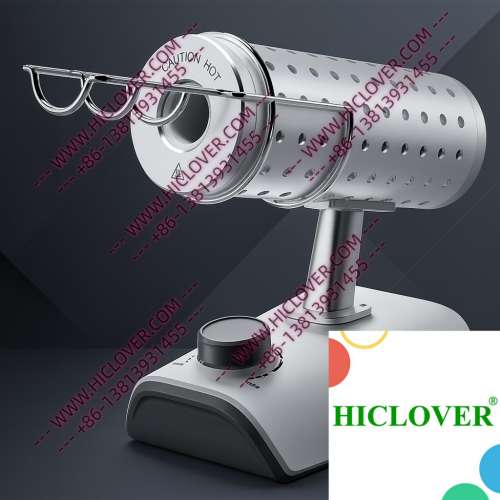
The Micro Incinerator operates using the principle of rapid thermal sterilization through infrared heat. This device features an enclosed ceramic heating chamber that generates high temperatures, effectively reaching up to 850°C. Unlike traditional flame-based sterilizers like Bunsen burners or alcohol lamps, which rely on open flames, the Micro Incinerator provides a clean-bench-safe environment with aerosol-free handling. This is particularly crucial in maintaining sterile conditions in sensitive laboratory operations.
One of the main advantages of this technology is its temperature consistency and rapid heating capability, which facilitates efficient sterilization of inoculating loops, needles, and other laboratory tools. The built-in thermostat ensures that the heating element quickly reaches the designated temperature, allowing users to complete their sterilization tasks swiftly while reducing the risk of thermal burns or environmental contamination.
Applications in Real Laboratories
1. Biosafety Cabinets
In clinical and research labs, the Micro Incinerator is commonly used in biosafety cabinets. These environments are engineered to maintain highly sterile conditions while preventing the escape of aerosols. The compact design of the Micro Incinerator fits seamlessly into benchtop setups, providing rapid sterilization on-demand without compromising the integrity of the biosafety cabinet’s functionalities.
2. Field Testing Laboratories
Mobile field-testing labs, often used in remote locations, significantly benefit from the Micro Incinerator’s portability and reliable performance. When conducting fieldwork, safe and efficient sterilization of equipment is critical. The infrared inoculating loop sterilizer provides researchers with a simple solution to eliminate microbial contamination, enabling accurate testing in various environmental conditions without the dependence on traditional flame sources.
Compliance and Environmental Considerations
Adhering to local and global biosafety standards is paramount for laboratories handling biological materials. The World Health Organization (WHO) sets rigorous guidelines for laboratory sterilization practices to prevent outbreaks of infectious diseases. One key advantage of the Micro Incinerator is its compliance with such standards, as it eliminates the need for flame sterilization in clean rooms. Conversely, traditional flame sterilizers can generate aerosols that risk contamination and violate strict safety protocols.
Moreover, with increasing emphasis on environmental sustainability, using a Micro Incinerator reduces the reliance on alcohol and disposable materials usually associated with traditional methods, thus contributing to a greener laboratory practice. The closed combustion chamber minimizes emissions and pollution, making it a responsible choice for today’s environmentally conscious research institutions.
Advantages of Micro Incinerator vs. Traditional Flame Sterilizers
| Feature | Micro Incinerator | Flame Sterilizers |
|---|---|---|
| Heating Method | Infrared heat | Open flame |
| Safety | Clean-bench-safe, no aerosols | Risk of burns, aerosol generation |
| Portability | High | Moderate |
| Environmental Impact | Low, no fuel waste | High, fuel-dependent |
| Warm-up Time | Rapid | Long |
Frequently Asked Questions
What is a Micro Incinerator, and how does it work?
A Micro Incinerator is a laboratory sterilization device that utilizes infrared heat to rapidly sterilize inoculating loops and other tools. It operates through an enclosed ceramic heating chamber, achieving high temperatures to ensure effective disinfection.
Can I use a Micro Incinerator in a biosafety cabinet?
Yes, the Micro Incinerator is designed for use in biosafety cabinets, providing a safe and sterile method for sterilizing instruments without generating aerosols.
Is it suitable for field testing?
Absolutely! Its portable design and efficient performance make the Micro Incinerator ideal for use in mobile field-testing laboratories.
How does it comply with laboratory sterilization standards?
The Micro Incinerator meets WHO biosafety recommendations, as it reduces contamination risks associated with open flame sterilization, particularly in cleanroom environments.
What are the advantages of using a Micro Incinerator over traditional sterilizers?
Benefits include enhanced safety, reduced environmental impact, portability, quick warm-up times, and a higher level of sterilization efficiency compared to traditional flame sterilizers.
Conclusion
In conclusion, the Micro Incinerator / Infrared Inoculating Loop Sterilizer represents a significant advancement in laboratory sterilization equipment, effectively addressing the challenges of biosafety and workflow efficiency. With its rapid sterilization capabilities, compliance with international standards, and environmental friendliness, it is a valuable asset for laboratories across various sectors. If you’re looking to enhance your laboratory’s sterilization processes, we invite you to explore our range of Micro Incinerators and contact us for more details on how we can support your needs.
Categories:
Tags: