
In today’s rigorous laboratory environments, adhering to high biosafety standards while maintaining operational efficiency poses a significant challenge. Laboratories must ensure stringent sterilization protocols are followed to mitigate contamination risks, especially in critical settings such as BSL-2 and BSL-3 facilities. The use of advanced sterilization equipment, like the Infrared Inoculating Loop Sterilizer, plays a pivotal role in optimizing workflow while enhancing safety measures.
Understanding the Infrared Inoculating Loop Sterilizer
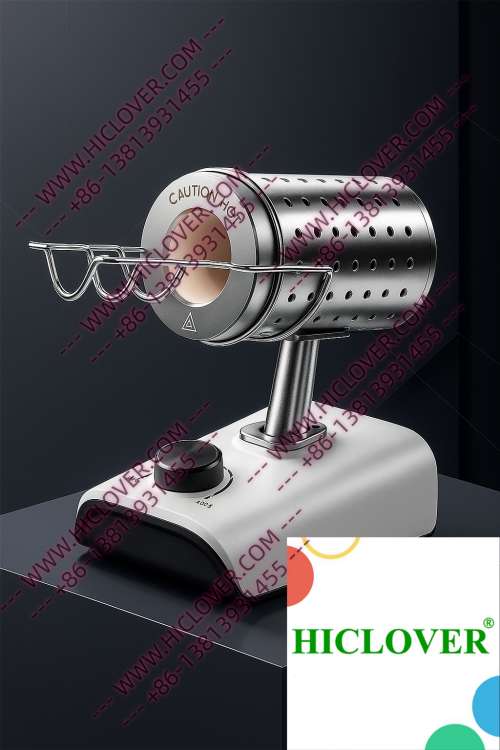
The Infrared Inoculating Loop Sterilizer, commonly referred to as a micro incinerator, operates on the principle of rapid thermal sterilization through infrared heat. Unlike traditional flame sterilizers, which use Bunsen burners or alcohol lamps, this device utilizes an enclosed ceramic heating chamber. This configuration provides a quick, clean, and efficient means of achieving high-temperature disinfection without producing aerosols or flames, making it ideal for biosafety cabinets and cleanroom environments.
Technical Features of Micro Incinerators
- Rapid Heating: Achieves sterilization temperatures within seconds.
- Closed Design: Minimizes the risk of airborne contaminants during the sterilization process.
- Energy Efficient: Consumes less energy compared to traditional flame sterilizers.
- User-Friendly Interface: Easy to operate with minimal training required.
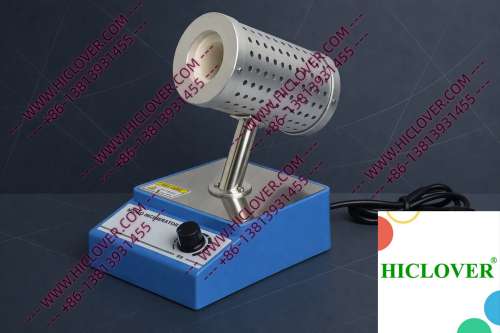
The integration of these features not only enhances laboratory productivity but also aligns with modern biosafety practices, reducing the risk of contamination during microbial handling.
Real-World Applications of Micro Incinerators
1. In University Teaching Labs
In educational institutions, particularly university teaching labs, the use of micro incinerators streamlines the sterilization process. Students can quickly and safely sterilize inoculating loops and needles between microbial transfers, ensuring accurate results without introducing unwanted variables. This rapid turnaround enhances learning outcomes and reinforces safe laboratory practices.
2. In Clinical Diagnostics
Clinical diagnostics labs often deal with time-sensitive tests where contamination control is paramount. The Infrared Inoculating Loop Sterilizer allows laboratory technicians to perform their tasks with improved efficiency, using a personal biosafety cabinet that protects both the samples and the contamination-prone environment of the laboratory. This application minimizes the risk of cross-contamination and ensures reliable diagnostic results.
Compliance with Biosafety Standards
As laboratories are increasingly held to rigorous biosafety standards, compliance with organizations like the World Health Organization (WHO) becomes vital. These protocols emphasize the need for non-flame sterilizers, especially in clean rooms where open flame can compromise air quality and sterility. The Infrared Inoculating Loop Sterilizer meets international laboratory sterilization standards, addressing essential aspects of biosafety for hazardous biological agents.
“Adopting technology such as micro incinerators allows laboratories to comply with strict safety regulations while optimizing workflow.”
Benefits Over Traditional Flame Sterilizers
| Feature | Infrared Inoculating Loop Sterilizer | Flame Sterilizers |
|---|---|---|
| Heating Time | Seconds | Minutes |
| Contamination Control | Aerosol-free | Aerosol generation |
| Energy Consumption | Low | High |
| Operator Safety | No flames | Open flames, risk of burns |
| Ease of Use | Simple operation | Requires training for safe operation |
Frequently Asked Questions
What is the main advantage of using a Micro Incinerator over a Bunsen burner?
The primary advantage is the rapid heating and cooling ability, which allows for swift sterilization without the risks associated with open flames, including potential burns and aerosol generation.
Can Infrared Inoculating Loop Sterilizers be used in all laboratory settings?
Yes, they are designed to be versatile, functioning effectively within biosafety cabinets, cleanrooms, and teaching labs.
How does an Infrared Inoculating Loop Sterilizer contribute to contamination control?
It eliminates the risk of aerosolized pathogens during the sterilization process, ensuring a clean working environment and reducing contamination risks.
What are the energy usage comparisons between micro incinerators and traditional flame sterilizers?
Micro incinerators are generally more energy efficient, consuming significantly less power compared to traditional flame sterilizers.
Are there any safety concerns specific to Micro Incinerators?
While they are designed with safety in mind, users should still adhere to standard operational protocols to ensure safe handling and operation.
Conclusion
As laboratory environments evolve, so must our approaches to sterilization. The integration of systems like the Infrared Inoculating Loop Sterilizer not only enhances productivity but significantly increases biosafety compliance. Consider upgrading your lab’s sterilization equipment to maintain the highest standards of contamination control and efficiency. For further inquiries or to discuss purchasing options, feel free to reach out!
Categories:
Tags: