
In today’s laboratory settings, biosafety challenges have become increasingly complex. With the growing need for sterile environments, particularly in microbiology labs, the demand for effective sterilization equipment has skyrocketed. Specifically, when it comes to laboratory sterilization, the Micro Incinerator or Infrared Inoculating Loop Sterilizer has emerged as a vital tool, providing a safe and efficient solution for contamination control. This article will delve into the features, applications, compliance requirements, and advantages of automatic micro incinerators in the modern laboratory.
Technical Principles of Micro Incinerators
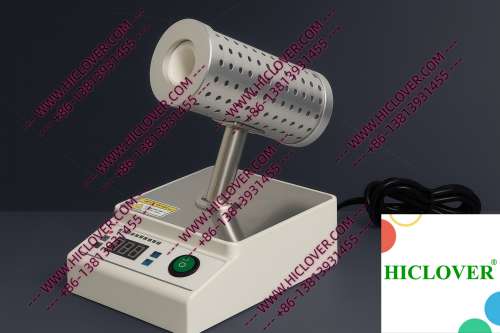
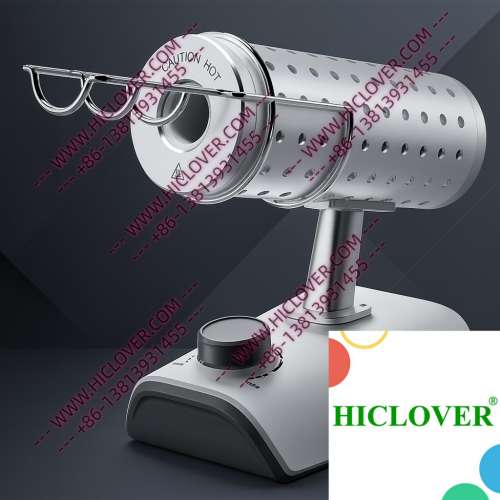
At the heart of the Micro Incinerator’s functionality is its use of infrared heat technology. The device features an enclosed ceramic tube that heats rapidly to high temperatures, ensuring thorough sterilization of inoculating loops and other small tools. Unlike traditional flame sterilizers, which rely on open flames that can introduce aerosols and lead to contamination, micro incinerators provide a controlled environment for sterilization.
- Rapid Thermal Sterilization: Infrared technology allows for quick heating and cooling cycles, minimizing wait times.
- Clean-Bench-Safe Design: The enclosed structure prevents the release of flames and aerosols, making it ideal for use in biosafety cabinets.
- Aerosol-Free Handling: The design enhances safety by eliminating potential inhalation risks associated with open flames.
Application Scenarios in Real Labs
The versatility of micro incinerators allows for a range of applications across different laboratory environments. Below are two significant scenarios where these devices shine:
-
Biosafety Cabinet Use:
In BSL-2 and BSL-3 microbiology labs, the risk of contamination is high. Using a Micro Incinerator allows for quick and safe sterilization of inoculating loops while working inside a biosafety cabinet. This ensures that tools are sterile before and after handling biological samples, effectively reducing the risk of cross-contamination.
-
Field Testing Labs:
Mobile or field testing laboratories often face limitations in sterilization options. Micro incinerators provide a lightweight and portable solution that can efficiently sterilize tools in outdoor environments without relying on electricity from generators. This is particularly important in regions where laboratory capabilities may be limited.
Compliance and Environmental Standards
Complying with biosafety standards is crucial for any laboratory operation. The World Health Organization (WHO) has outlined guidelines that emphasize the importance of effective sterilization methods in laboratories handling pathogens. Micro Incinerators not only meet these standards but also address specific laboratory requirements. Here are some key points regarding compliance:
- Elimination of open flames improves safety in clean rooms, where flameless operations are a necessity.
- Helps laboratories attain and maintain certification under local and international lab sterilization standards.
- Reduction of hazardous waste associated with traditional flame sterilization methods.
Comparison: Micro Incinerator vs. Flame Burners
| Feature | Micro Incinerator | Flame Burners |
|---|---|---|
| Operating Temperature | Up to 850°C | Variable |
| Safety | Flameless, reduced aerosol risk | Open flames, higher risk of contamination |
| Efficiency | Rapid heating and cooling | Variable efficiency, longer heating time |
| Portability | Compact and easy to transport | Bulkier and requires a fuel source |
Frequently Asked Questions
Q1: What is the maximum temperature an Automatic Micro Incinerator can reach?
A: Most models can reach temperatures up to 850°C, making them ideal for rapid thermal sterilization.
Q2: Can these incinerators be used in clean rooms?
A: Yes, they are designed to operate without an open flame, making them safe for use in clean environments.
Q3: How does the Micro Incinerator compare to traditional methods?
A: Micro Incinerators offer more efficient and safer sterilization, as they prevent the release of aerosols and eliminate the risk associated with open flames.
Q4: Are Micro Incinerators suitable for field use?
A: Yes, their portability allows for effective sterilization in mobile or outdoor labs.
Q5: How can I maintain my Micro Incinerator?
A: Regularly clean the ceramic heating chamber and ensure proper calibration to maintain optimal performance.
Conclusion
The shift towards automatic micro incinerators marks a significant advancement in laboratory sterilization solutions. By combining safety, efficiency, and regulatory compliance, they address many of the practical challenges faced in laboratory environments today. Whether you are working in a BSL-2 microbiology lab, a clinical diagnostics center, or an educational setup, investing in a Micro Incinerator can greatly enhance your sterilization protocols.
If you wish to learn more or to make a purchase, don’t hesitate to contact us today for a personalized quote or consultation.
Categories:
Tags: