
In laboratory environments, maintaining biosafety while ensuring efficiency in sterilization protocols is a constant challenge. Traditional methods such as alcohol lamps and Bunsen burners, while prevalent, come with significant downsides including flame risk, difficulty in controlling temperature, and potential contamination through aerosols. As laboratories increasingly seek sustainable and safe alternatives, the introduction of the Micro Incinerator or Infrared Inoculating Loop Sterilizer represents a transformative shift towards high-temperature infrared sterilization.
Understanding Infrared Sterilization Principles
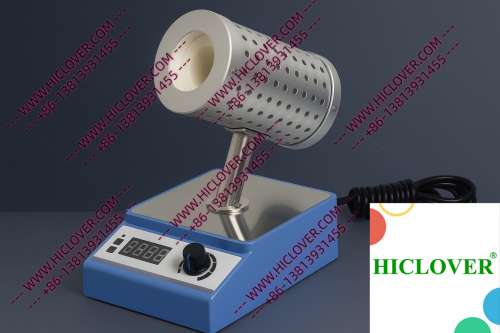
The Micro Incinerator utilizes rapid thermal sterilization, leveraging advanced infrared technology to achieve high-temperature disinfection. Unlike conventional flame-based sterilizers, this device features an enclosed ceramic heating chamber designed to protect both the user and the sterile field. The infrared heat produced allows for the immediate sterilization of inoculating loops, needle tips, and other small laboratory tools, thus preventing cross-contamination effectively.
This technology functions by generating infrared radiation that is absorbed by the material within the sterilization chamber, leading to rapid heat transfer. The enclosed design minimizes heat loss and maximizes efficiency, ensuring that instruments reach the required sterilization temperatures quickly—often within seconds—thereby meeting stringent biosafety requirements.
Real-World Applications in Laboratories
Scenario 1: University Teaching Labs
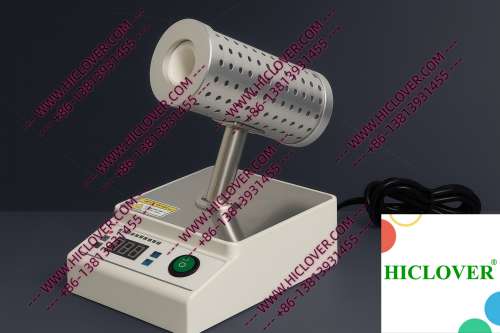
In university microbiology courses, the Micro Incinerator serves as an ideal sterilization device for inoculating loops used in petri dish culture transfers. Its rapid heating ensures that students can perform experiments efficiently without waiting long periods for flame sterilization. The clean-bench-safe design also accommodates the requirements of a BSL-2 lab, allowing for aerosol-free handling, essential during high-stakes experiments involving pathogenic microorganisms.
Scenario 2: Field Testing Laboratories
Field testing labs, especially those conducting microbiological surveys in remote locations, significantly benefit from the portability and efficiency of the Micro Incinerator. In scenarios where traditional flame sterilizers are impractical due to environmental conditions, the infrared sterilizer offers immediate sterilization of equipment without the risk of fire hazards or reliance on fuel sources. This feature is particularly advantageous in sensitive ecosystems, where contamination control is paramount.
Compliance and Environmental Considerations
Laboratory sterilization methods must adhere to strict compliance standards, including guidelines set forth by the World Health Organization (WHO) and specific lab sterilization standards that mandate safe working environments. In BSL-2 and BSL-3 settings, the absence of an open flame in clean rooms is critical to prevent the spread of contaminants. The Micro Incinerator eliminates this risk, providing a safe, efficient sterilization option that aligns with modern laboratory needs and environmental standards.
Furthermore, the energy-efficient design of infrared sterilizers contributes to sustainability initiatives by reducing overall energy consumption compared to traditional flame sterilizers, which not only helps in complying with regulations but also lowers operational costs in the long run.
Comparative Analysis: Micro Incinerator vs. Traditional Flame Sterilizers
| Feature | Micro Incinerator | Flame Sterilizers |
|---|---|---|
| Heat Source | Infrared radiation | Open flame (alcohol, gas) |
| Direction of Heat Application | Enclosed heated chamber | Direct open flame |
| Time to Sterilization | Seconds | Variable (depends on fuel and technique) |
| Safety | Low risk of fire, clean-bench-safe | Fire risk, aerosol generation |
| Energy Efficiency | High | Lower; depends on fuel type |
Frequently Asked Questions (FAQs)
- How does the Micro Incinerator compare in terms of energy use?
The Micro Incinerator is more energy-efficient than traditional flame sterilizers, making it a cost-effective choice for long-term use. - Can the Micro Incinerator be used in BSL-3 laboratories?
Yes, the enclosed design and aerosol-free operation make it suitable for BSL-3 applications. - Is the Micro Incinerator difficult to operate for beginners?
No, its user-friendly interface allows for easy operation, ideal for educational settings and training labs. - What types of instruments can be sterilized using the Micro Incinerator?
Inoculating loops, needles, scissors, and other small laboratory tools can be effectively sterilized. - Does the Micro Incinerator comply with WHO biosafety standards?
Yes, it is designed to meet WHO biosafety standards, ensuring a safe laboratory environment.
Conclusion
The evolution of sterilization methods in laboratories signals a shift towards more sustainable and efficient technology, particularly in light of the challenges posed by traditional methods. The Micro Incinerator / Infrared Inoculating Loop Sterilizer not only meets modern laboratory demands but also aligns with compliance standards and environmental considerations. For laboratories looking to enhance safety and efficiency in sterilization workflows, investing in a Micro Incinerator is a forward-thinking choice. To learn more about the product or to make a purchase, do not hesitate to reach out to us!
Categories:
Tags: