
In the evolving landscape of healthcare and laboratory environments, maintaining optimal biosafety standards is a key challenge. As laboratories face increasing demands for sterilization and contamination control, traditional methods like alcohol lamps and Bunsen burners are becoming less favorable. Enter the Micro Incinerator or Infrared Inoculating Loop Sterilizer—a cutting-edge solution specifically designed to meet the rigorous requirements of laboratory sterilization.
Understanding the Technical Principles
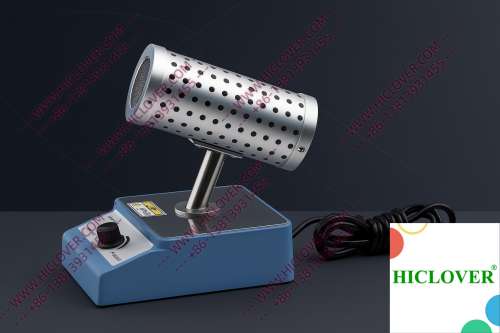
The Micro Incinerator utilizes infrared heat to achieve rapid thermal sterilization, making it an invaluable asset in various laboratory settings. This device comprises an enclosed ceramic heating chamber that reaches high temperatures quickly and efficiently. The ceramic tube’s design ensures the sterilization process is both safe for the user and effective for the tools being sterilized. Unlike traditional flame-based methods, which can produce harmful aerosols, the Micro Incinerator allows for clean-bench-safe operation, crucial in sensitive environments.
Advancements Over Traditional Flame Sterilization
One of the main advantages of using a Micro Incinerator over traditional flame sterilizers is its ability to minimize contamination risks and enhance workflow efficiencies. The consistent, high-temperature infrared disinfection eliminates the fluctuations often associated with flames. Additionally, the aerosol-free handling prevents potential biohazard spread, making it ideal for BSL-2 and BSL-3 microbiology labs, where sterility is paramount.
Application Scenarios in Real Labs
1. University Teaching Labs
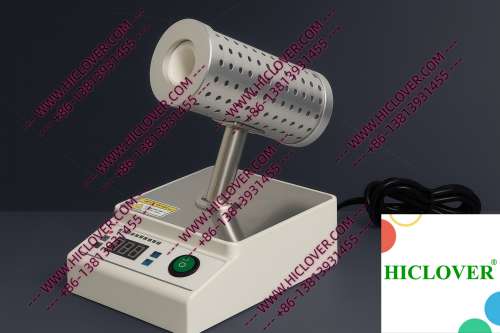
In university teaching labs, the Micro Incinerator serves as an educational tool for students learning microbiology and sterile techniques. Whether it’s a laboratory exercise involving inoculating loops or pour plates, students use the Micro Incinerator to sterilize their tools effectively. Its easy-to-use interface allows students to focus more on the experiment rather than the complexities of flame handling.
2. Field Testing Labs
Mobile labs employed in field testing also benefit significantly from the Compact Nature of the Micro Incinerator. Environments that require strict contamination control, such as when testing for pathogens in rural areas, demand reliable sterilization devices that prevent external contaminants from affecting samples. The Micro Incinerator fits within the portable lab kit, enabling researchers to ensure sterile instruments no matter their location.
Compliance with Biosafety Standards
As governments and international health organizations, such as the WHO, push for improved laboratory standards, compliance with biosafety regulations becomes essential. Many laboratories are adopting equipment that adheres to stringent lab sterilization standards, ensuring both safety and efficacy. Fire-free technologies like the Micro Incinerator conform to requirements set forth for clean rooms where flame usage is prohibited, protecting valuable equipment and sensitive environments. This not only aligns with compliance but also fosters a culture of safety within laboratories.
Advantages of the Micro Incinerator
- Rapid Sterilization: Achieves sterilization faster than traditional methods.
- Reduced Risk of Contamination: Aeroless handling eliminates biohazard risks.
- Ease of Use: Straightforward operation facilitates training and improves workflow.
- Compact Design: Suitable for diverse laboratory environments, including mobile setups.
- Environmentally Friendly: No flames or chemicals reduce the environmental impact.
Comparison: Micro Incinerator vs. Traditional Flame Sterilizers
| Feature | Micro Incinerator | Flame Sterilizer |
|---|---|---|
| Sterilization Time | Rapid (seconds) | Slower (minutes) |
| Risk of Contamination | Minimal | High (aerosols) |
| Operational Complexity | Simple | Requires skill |
| Fire Hazard | None | Significant |
| Cost Efficiency | Higher initial cost, but long-term savings | Lower initial cost, but higher operational costs |
FAQs
What is the primary benefit of using a Micro Incinerator in a lab setting?
The primary benefit is enhanced sterilization efficiency while minimizing contamination risks, making it ideal for critical lab environments.
Can Micro Incinerators be used in educational settings?
Yes, they are particularly useful in educational labs, allowing students to practice sterile techniques safely and effectively.
How does the Micro Incinerator comply with WHO biosafety standards?
It falls under categories that mandate no open flames in clean environments, ensuring safety for both users and samples.
Is a Micro Incinerator suitable for fieldwork?
Definitely. Its compact and portable design makes it an excellent choice for mobile labs in the field.
How does it perform compared to traditional flame sterilizers?
Compared to traditional flame sterilizers, it offers faster sterilization, lower contamination risk, and requires less operational skill.
Conclusion
As laboratories strive to enhance safety, efficiency, and compliance, the Micro Incinerator emerges as an essential tool in the healthcare landscape. Its advanced sterilization technology offers unmatched advantages over traditional methods, improving workflow and ensuring peace of mind in various settings, from university teaching labs to field testing scenarios.
If you’re looking to elevate your laboratory’s sterilization protocols, consider the advanced capabilities of the Micro Incinerator. Reach out today to find out how this innovative technology can benefit your facility.
Categories:
Tags: