
In today’s fast-paced laboratory environments, particularly in veterinary and microbiological research, compliance with sterilization regulations is of utmost importance. Laboratories face significant biosafety challenges that stem from the need for precise sterilization while handling potentially hazardous biological materials. Such challenges include maintaining a contamination-free environment and adhering to strict sterilization workflows. With escalating demands for effective sterilization techniques, innovative devices like the Micro Incinerator or Infrared Inoculating Loop Sterilizer have emerged as reliable solutions.
Understanding the Technical Principles of Infrared Sterilization
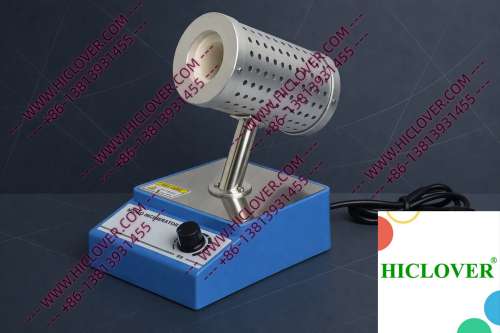
The Micro Incinerator utilizes infrared technology to achieve rapid thermal sterilization, ensuring effective contamination control. Unlike traditional flame sterilizers, such as alcohol lamps or Bunsen burners, this device comprises a carbon-ceramic heating chamber that ensures consistent and high-temperature disinfection. When heated, the enclosed ceramic tube emits infrared radiation, enabling uniform heating without open flames, which enhances safety within microbe-sensitive environments.
Key Features of the Micro Incinerator
- Rapid Thermal Sterilization: Achieves sterilization in seconds, ideal for fast-paced labs.
- Aerosol-free Handling: Reduces the risk of airborne pathogen transmission.
- Clean-bench-safe Design: Prevents contamination of sterile workspaces.
- Durability: Made with high-quality materials for prolonged use in demanding lab conditions.
- What is the primary advantage of using a Micro Incinerator over traditional flame sterilizers?
The Micro Incinerator offers rapid, consistent sterilization without the risks associated with open flames, reducing contamination potential in sensitive environments. - Can the Micro Incinerator be used in BSL-3 labs?
Yes, the Micro Incinerator is ideal for use in BSL-3 labs due to its ability to sterilize without introducing open flames, thereby maintaining a safe biosafety environment. - How do I maintain the Micro Incinerator?
Regular cleaning of the ceramic tube and checking for wear on components is recommended to ensure optimal performance. - What type of materials can be sterilized using the Micro Incinerator?
The Micro Incinerator is effective for sterilizing inoculating loops, needles, and similar laboratory tools made of metal and certain heat-resistant plastics.
Application Scenarios in Real Labs
The adaptability of the Micro Incinerator makes it a valuable tool across various laboratory settings. Below are two common application scenarios:
1. BSL-2 / BSL-3 Microbiology Labs
In Biological Safety Level (BSL)-2 and BSL-3 labs, where pathogens pose a significant risk, the Micro Incinerator provides a safe alternative for sterilizing inoculating loops and other equipment. For instance, while working within a biosafety cabinet, researchers can utilize the infrared sterilizer to quickly and efficiently decontaminate instruments without introducing the dangers associated with open flames. This reduces the likelihood of ignition in the presence of flammable agents commonly found in these labs.
2. University Teaching Labs
In educational institutions, particularly those focused on veterinary sciences, the Micro Incinerator serves as an educational aid for students learning proper sterilization techniques. Its streamlined operation and visual feedback on sterilization effectiveness make it a prime teaching tool in microbiology lab courses. Students gain practical experience without the complexity associated with flame-based sterilization, enhancing their understanding of laboratory biosafety.
Compliance and Environmental Regulations
Biosafety compliance is critical in laboratory environments. The World Health Organization (WHO) outlines clear compliance measures for laboratories, mandating that sterilization processes not only be effective but also safe. In clean rooms where the risk of contamination is high, the use of flame sterilizers is often prohibited to avoid the introduction of combustion byproducts. The Micro Incinerator meets these standards effectively, making it an ideal choice for controlled environments, including CO₂ incubators and anaerobic chambers. Safe handling practices and the absence of open flames are essential for aligning with lab sterilization standards.
Comparison Table: Micro Incinerator vs. Flame Burners
| Feature | Micro Incinerator | Flame Burners |
|---|---|---|
| Temperature Control | Consistent heat via infrared | Variable and dependent on user skill |
| Safety | No open flames | Fire hazard in sensitive areas |
| Speed | Sterilizes in seconds | Time-consuming |
| Contamination Risk | Aerosol-free | Potential aerosol generation |
Frequently Asked Questions
Conclusion
As the landscape of laboratory sterilization continues to evolve, investing in compliant and efficient equipment such as the Micro Incinerator is essential for laboratories aiming to maintain the highest standards of safety and effectiveness. Whether in a veterinary clinic, university lab, or specialized research facility, this device addresses both biosafety challenges and workflow demands with excellence. For further information or to purchase the Micro Incinerator, please get in touch with us today!
Categories:
Tags: