
Laboratory biosafety remains a cornerstone in ensuring viable research while mitigating contamination risks. As laboratories evolve, so too do the methods employed to effectively tackle sterilization challenges. The rise of Micro Incinerators, specifically the Infrared Inoculating Loop Sterilizer, bring about a significant shift in waste management protocol, amalgamating efficiency with safety.
Understanding the Technical Principle Behind Micro Incinerators
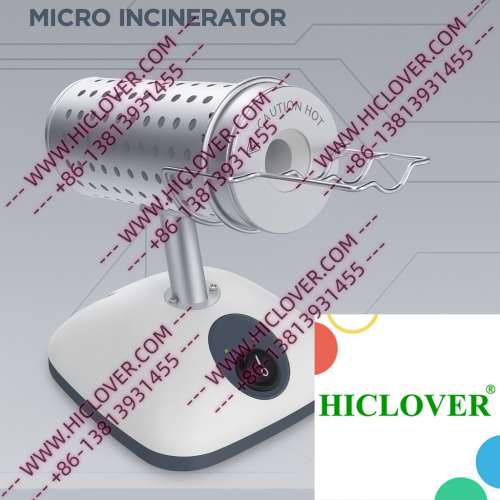
Micro Incinerators utilize rapid thermal sterilization through an enclosed ceramic tube that effectively manages high temperatures. Unlike traditional sterilizers, these devices employ infrared technology, providing a precise and controlled application of heat dedicated to disinfection. This feature facilitates high-temperature disinfection while ensuring that the emissions are kept to a minimum, thus providing a clean-bench-safe environment.
Application Scenarios in Real Labs
Biosafety Cabinets in BSL-2 Labs
In a BSL-2 microbiology lab in Amsterdam, scientists handle pathogenic organisms daily and require stringent sterilization protocols. The introduction of the Micro Incinerator allows researchers to work within a biosafety cabinet without the worry of open flames. This is vital for preventing aerosols and ensuring contamination control post-experiment. After using inoculating loops to culture samples, the researchers can instantly sterilize them using the micro incinerator, allowing them to continue their work without interruption.
Field Testing in Mobile Labs
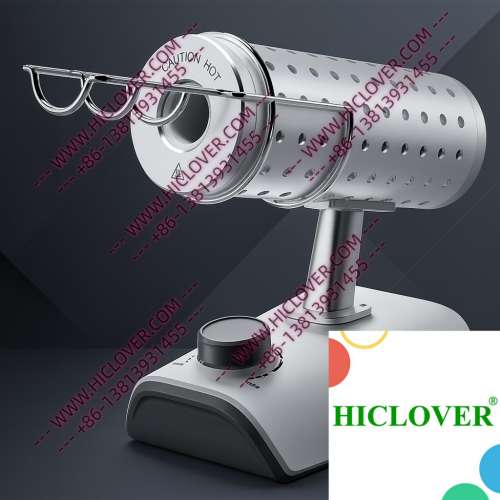
Field testing labs in remote areas of the Netherlands also benefit from micro incinerators. With limited access to comprehensive sterilization facilities, researchers can utilize portable Micro Incinerators to sterilize equipment on-site, ensuring they adhere to health regulations without compromising safety. This has empowered teams working in environmental assessments and clinical diagnostics to confidently handle biological materials.
Compliance with Biosafety Standards
Adhering to biosafety standards is critical for laboratories handling infectious materials. The World Health Organization (WHO) outlines strict guidelines for lab sterilization, advocating for methods that reduce risks of contamination. The Micro Incinerator aligns with these guidelines by eliminating the need for flames in clean rooms, which can pose ignition hazards and disrupt airflow in sterile environments. Furthermore, its design caters to laboratory sterilization standards that demand high-efficiency sterilization protocols.
- Flame-free operation
- Reduced risk of aerosol generation
- High-temperature sterilization capabilities
- Minimal environmental impact
Features and Benefits of Micro Incinerators
| Feature | Micro Incinerator | Traditional Flame Burners |
|---|---|---|
| Temperature Control | Precise infrared heat | Variable, uncontrolled |
| Safety | Flame-free | High risk of ignition |
| Usage in Clean Environments | Designed for clean-bench usage | Not suitable for clean rooms |
| Efficiency | Rapid sterilization | Slower startup times |
| Environmental Considerations | Minimal emissions | Potentially harmful fumes |
Frequently Asked Questions
What is the key benefit of using a Micro Incinerator over traditional sterilization methods?
The primary advantage lies in its rapid and high-temperature sterilization capability without the risks associated with flames, making it ideal for sensitive lab environments.
Can Micro Incinerators be used in field testing labs?
Yes! Micro Incinerators are designed for portability, allowing them to operate effectively in mobile labs or remote testing scenarios.
Are Micro Incinerators compliant with international biosafety standards?
Absolutely! They comply with WHO guidelines and other lab sterilization standards, emphasizing safety and cleanliness.
How does the Micro Incinerator improve the sterilization workflow?
It streamlines the sterilization process, enabling quick and efficient disinfection between experiments, thus improving the lab workflow significantly.
What materials are suitable for use with the Micro Incinerator?
Micro Incinerators can effectively sterilize inoculating loops, needles, and other minor lab instruments typically used in microbiology labs.
Conclusion
As laboratories in the Netherlands—and indeed worldwide—seek safer and more efficient methods of waste management, the Micro Incinerator emerges as a pivotal tool. Its intelligent design, compliance with global standards, and enhanced safety features make it an indispensable asset for any laboratory environment. Exploring the possibilities of integrating this technology into your workflow can dramatically bolster your laboratory’s sterilization capabilities.
If you are interested in enhancing your laboratory sterilization processes or have questions about our Micro Incinerator offerings, please contact us today for further information and purchasing options.
Categories:
Tags: