
In today’s laboratories, biosafety and cleanliness directly correlate with the reliability of research and diagnostics. As labs increasingly contend with stringent safety regulations and contamination control challenges, the integration of technology into sterilization practices becomes paramount. One standout solution is the Micro Incinerator or Infrared Inoculating Loop Sterilizer, an innovative and effective tool designed to enhance laboratory sterilization workflows.
The Challenges of Laboratory Sterilization
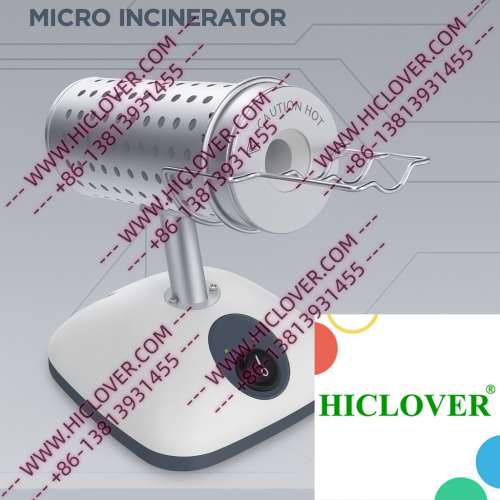
Laboratories, especially those operating at Biosafety Level 2 (BSL-2) and higher, face unique challenges in maintaining sterile environments. Traditional flame sterilizers, such as alcohol lamps and Bunsen burners, can introduce aerosolized contaminants while also altering the delicate balance of laboratory equipment and processes. Additionally, the open flames pose safety risks, particularly in cleanroom environments where precise control is necessary.
The Technical Advantage: Infrared Sterilization
The Micro Incinerator leverages the power of infrared heat for rapid thermal sterilization. Inside its enclosed ceramic heating chamber, high-temperature disinfection occurs without the open flame hazards associated with traditional methods. The sterilizer can quickly reach temperatures over 800°C, utilizing infrared technology that efficiently transfers heat to inoculating loops, blades, and other small instruments.
- Rapid Sterilization: Instruments are sterilized within seconds, significantly improving workflow efficiency.
- Contamination Control: Its closed design minimizes the risk of aerosol production, ensuring a cleaner working environment.
- Energy Efficiency: The infrared heating is focused and requires less power than conventional flame heating methods.
- Safety: No open flames reduce fire risks in labs, particularly important in sensitive areas like BSL-3 facilities.
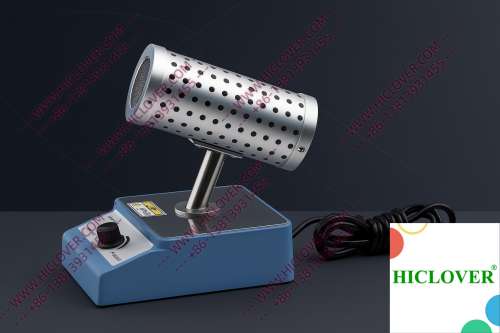
Application Scenarios in Real Labs
1. Usage in BSL-2 Microbiology Labs
In microbiology labs operating at BSL-2, where the handling of pathogenic microorganisms occurs, ensuring proper sterilization of tools is critical. The Micro Incinerator allows researchers to efficiently sterilize loops between inoculations, thus minimizing contamination risk. Unlike traditional flame sterilizers, which can cause thermal shock to sensitive samples, the controlled infrared heat provides a quick and effective cleaning method.
2. Field Testing and University Teaching Labs
Field testing environments often face unpredictable conditions that can complicate sample collection and processing. The lightweight nature of the Micro Incinerator makes it ideal for mobile sterilization applications, allowing scientists to sterilize tools on-site without the need for bulky gas tanks or complicated setups. Additionally, in university teaching labs, instructors often emphasize safe practices. Using this advanced sterilizer aligns with educational goals surrounding both safety and effective sterilization methods.
Compliance and Environmental Considerations
Laboratory sterilization standards are enforced by organizations such as the World Health Organization (WHO) and adhere to guidelines set forth to mitigate contamination risks. Many cleanrooms mandate the exclusion of open flames due to their potential to generate unwanted particulate matter. The Micro Incinerator’s design not only meets these standards but also surpasses them by providing a clean, flame-free operation ideal for sensitive laboratory environments.
In addition, transitioning from flame-based sterilization to infrared technology contributes positively to laboratory insights regarding environmental impact. Lower energy consumption and reduced fire hazards align with sustainability goals across medical and research institutions.
Comparative Analysis: Micro Incinerator vs. Traditional Flame Burners
| Feature | Micro Incinerator | Flame Burners |
|---|---|---|
| Operating Temperature | Over 800°C | Variable, typically lower |
| Aerosol Risk | Minimal | High |
| Energy Efficiency | High | Lower |
| Fire Hazard | Low | High |
| Cleanup Time | Immediate | Requires cool-down |
FAQs
What is the difference between a Micro Incinerator and a traditional flame sterilizer?
The primary difference lies in the operational method; the Micro Incinerator employs infrared heating, which is faster, more efficient, and safer than the open flames used in traditional flame sterilizers.
Can the Micro Incinerator be used in BSL-3 labs?
Yes, its enclosed design minimizes risks of particulate contamination, making it suitable for BSL-3 environments where stringent biosafety measures are essential.
How quickly does the Micro Incinerator sterilize instruments?
Instruments are sterilized within seconds, considerably enhancing workflow efficiency compared to traditional methods that require more time.
Is the Micro Incinerator compliant with current laboratory safety standards?
Absolutely, it meets and often exceeds the biosafety standards outlined by organizations such as the WHO for safe sterilization practices.
Can the Micro Incinerator replace flame sterilizers in teaching labs?
Yes, it offers a safer alternative for teaching labs, allowing students to understand sterilization techniques without the risks associated with open flames.
Conclusion
As laboratory standards become increasingly rigorous, investing in advanced sterilization equipment such as the Micro Incinerator or Infrared Inoculating Loop Sterilizer proves worthwhile. Its advantages over traditional flame sterilizers in terms of safety, efficiency, and compliance are clear. Enhance your laboratory’s sterilization process today and experience the benefits of this innovative technology. For further details, inquiries, or purchasing options, reach out to us, and let’s elevate your laboratory’s cleanliness standards.
Categories:
Tags: