
In modern laboratory environments, the prioritization of biosafety and effective waste management is crucial. Laboratories, especially those engaged in microbiology, diagnostics, and research involving hazardous materials, face the constant challenge of contamination control and safe disposal of infectious waste. Traditional flame sterilizers, like Bunsen burners and alcohol lamps, while prevalent for many years, often fail to meet the strict requirements of contemporary cleanroom protocols and are prone to user errors or flames spreading biomedical waste. That’s where innovative solutions like Micro Incinerators come into play. These compact sterilization systems are becoming increasingly popular across Swiss research facilities, effectively addressing sterilization workflow demands.
Technical Principles of Micro Incinerators
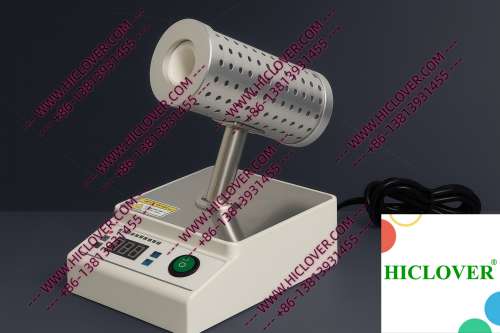
The effectiveness of Micro Incinerators, specifically Infrared Inoculating Loop Sterilizers, lies in their unique operational mechanics and design. Using infrared technology, these sterilizers focus intense heat directly onto objects—such as inoculating loops, needles, and other laboratory instruments—within a specialized ceramic heating chamber. This results in rapid thermal sterilization, typically reaching temperatures of over 800°C. The enclosed design effectively prevents aerosols, ensuring a clean, flame-free environment suitable for sensitive applications.
Advantages Over Traditional Flame Sterilizers
- Rapid Sterilization: Infrared heat provides immediate disinfection without the lengthy warm-up times associated with flame sterilizers.
- Clean-Bench-Safe: The non-flame design reduces the risk of contamination by maintaining a sterile work area free from open flames.
- Versatility: Ideal for diverse applications, including BSL-2 and BSL-3 labs, clinical diagnostics, and educational settings.
- Environmentally Friendly: Creates no harmful emissions typically associated with alcohol and flame sterilization.
- What is a Micro Incinerator? A Micro Incinerator is a compact sterilization device that uses infrared heat to sterilize laboratory equipment quickly and safely.
- How does the Micro Incinerator ensure safety in laboratories? By eliminating open flames, it reduces the risk of fire and contamination while maintaining a sterile workspace.
- Can Micro Incinerators be used in BSL-3 labs? Yes, they meet the rigorous safety standards required for BSL-3 laboratories due to their efficient containment and sterilization methods.
- What materials can be sterilized using a Micro Incinerator? Most metal tools, such as inoculating loops and needles, can be effectively sterilized using this device.
- Are Micro Incinerators environmentally friendly? Yes, they produce no harmful emissions typical of flame-based sterilizers, aligning with green laboratory initiatives.
Application Scenarios in Research Facilities
Micro Incinerators are increasingly finding their place in various laboratory settings, each with unique sterilization needs. Here are two significant application scenarios:
1. Biosafety Cabinets
Within BSL-2 and BSL-3 laboratories, laboratory personnel utilize Micro Incinerators inside biosafety cabinets to ensure a contained, sterile environment during procedures involving potentially hazardous microorganisms. The infrared inoculating loop sterilizers allow researchers to safely sterilize their tools without introducing combustion byproducts, keeping the sterile airflow intact and minimizing contamination risks. This becomes important in clinical diagnostics, where precise sample preparation is critical.
2. University Teaching Labs
Teaching laboratories benefit from the use of Micro Incinerators to provide students hands-on experience in sterilization techniques without the associated risks of flame-based methods. Students can safely practice inoculating techniques without the fear of potential fires, allowing educators to focus on teaching essential skills in a safe environment. The compact design of these units makes them seamlessly fit within space-constrained teaching labs.
Compliance and Environmental Considerations
As laboratories strive to adhere to stringent biosafety standards as outlined by the WHO and various regulatory bodies, the implementation of Micro Incinerators represents a significant advancement in laboratory sterilization protocols.
Micro Incinerators contribute to improved compliance with lab sterilization standards by eliminating open flames, which are unsuitable for clean environments, especially in fields like clinical diagnostics and research. Their use significantly limits the risk of contamination and supports safe disposal practices for infectious materials, a requirement fundamental to maintaining laboratory standards.
| Feature | Micro Incinerator | Traditional Flame Sterilizer |
|---|---|---|
| Heat Source | Infrared | Open Flame |
| Containment | Enclosed Ceramic Chamber | Exposed |
| Aerosol Control | Minimized | High Risk |
| Startup Time | Instant | Slow |
| Environmental Impact | Low | Pollutants from combustion |
FAQs About Micro Incinerators
Conclusion
The emergence of Micro Incinerators, particularly in Swiss research facilities, marks a significant advancement in biosafety and waste management practices. By embracing this technology, organizations can enhance their laboratory sterilization processes, ensure compliance with stringent biosafety regulations, and foster a safe work environment for researchers and educators alike. If you are considering upgrading your lab’s sterilization equipment to a state-of-the-art Micro Incinerator, reach out today to discuss your needs and explore our quality offerings.
Categories:
Tags: