
The rise of laboratory biosafety challenges paired with the increasing demand for efficient sterilization workflows in microbiology labs make effective sterilization solutions crucial. As cities aim for ambitious zero waste goals, technologies like electric loop incinerators, including the Micro Incinerator / Infrared Inoculating Loop Sterilizer, are becoming indispensable. These devices not only improve sterilization but also align with sustainability practices, enhancing operational efficiency while reducing the environmental footprint.
Understanding the Micro Incinerator: How It Works
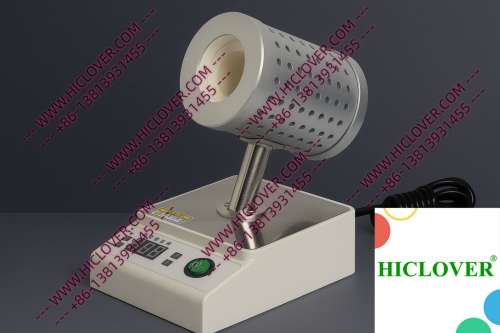
The Micro Incinerator employs advanced infrared heat technology to provide rapid thermal sterilization. Unlike traditional flame sterilizers such as alcohol lamps or Bunsen burners, this device utilizes an enclosed ceramic tube that generates high temperatures for effective disinfection. The temperature can reach up to 800°C, creating an environment that ensures rapid sterilization of inoculating loops and other small lab tools
.
The significant advantage of using an infrared inoculating loop sterilizer lies in its reduced risk of contamination. The infrared technology provides uninterrupted, flame-free operations, enabling labs to maintain clean environments without the concern of open flames, which can pose risks of contamination in BSL-2 or BSL-3 microbiology labs.
Applications of the Micro Incinerator in Diverse Lab Environments
The versatility of the Micro Incinerator enables it to be adapted across various laboratory settings. Here are some typical application scenarios:
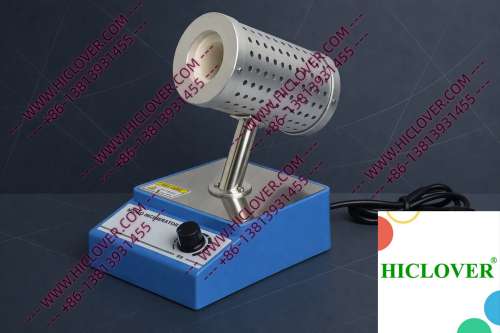
- Biosafety Cabinets: In institutions focusing on clinical diagnostics and pathogenic research, using the Micro Incinerator inside biosafety cabinets minimizes contamination risks. This device allows scientists to sterilize tools rapidly without the compromise of a flame, promoting safer working conditions.
- Field Testing Labs: During mobile or field testing operations, where traditional gas burners may be impractical or unsafe, the Micro Incinerator proves invaluable. Its compact design and efficient sterilization capacity allow researchers to perform accurate tests in remote locations without the need for bulky equipment.
- Teaching Laboratories: In educational institutions, safety is paramount. The Micro Incinerator presents an excellent option for university teaching labs, where students learn sterile techniques without exposure to hazardous open flames, fostering a safe learning environment.
The Compliance and Environmental Benefits of Using Electric Loop Incinerators
Compliance with stringent safety and sterilization standards is vital in laboratory settings. The World Health Organization (WHO) and various regulatory bodies advocate for safe sterilization technologies that eliminate contamination risks. The absence of open flames in clean rooms, alongside strict sterilization protocols, positions the Micro Incinerator as a compliant solution for laboratory environments seeking accreditation.
Electric loop incinerators align with efforts toward sustainability by contributing to zero waste goals. They convert the waste produced during laboratory processes into sterilized, manageable forms, reducing the burden on landfills. This is especially relevant as cities worldwide, such as San Francisco and Kamikatsu in Japan, embrace zero waste policies.
Compliance Reference: WHO Biosafety Standards
To better understand the compliance aspect, here’s how the Micro Incinerator aligns with WHO biosafety standards:
| Standard | Micro Incinerator Compliance |
|---|---|
| Reduces Contamination Risk | Flame-Free Sterilization |
| Promotes Safe Handling | Aerosol-Free Operation |
| Environmental Conservation | Zero Waste Contribution |
Frequently Asked Questions
-
How does the Micro Incinerator differ from traditional sterilizers?
The Micro Incinerator utilizes infrared technology rather than open flames, providing safer, efficient, and quicker sterilization while minimizing contamination risks.
-
Is the Micro Incinerator suitable for all laboratory environments?
Yes, it is particularly beneficial in BSL-2 and BSL-3 labs, field testing environments, and educational teaching labs where safety and efficiency are paramount.
-
Does this device require special maintenance?
Regular cleaning and inspection of the ceramic tube are necessary to maintain optimal performance, but it generally requires less maintenance than traditional flame sterilizers.
-
What is the environmental impact of using this device?
By converting waste to sterilized forms, the Micro Incinerator contributes to sustainable practices, reducing landfill waste and aligning with zero waste initiatives.
-
Can the Micro Incinerator be used in clean rooms?
Absolutely, its flame-free design ensures compliance with clean room requirements and maintains the integrity of the sterile environment.
Conclusion
In conclusion, the Micro Incinerator / Infrared Inoculating Loop Sterilizer not only meets the rigorous demands of modern laboratory sterilization but also plays a vital role in advancing sustainable practices within urban environments. By choosing electric loop incinerators, laboratories contribute to the overarching goals of zero waste cities while improving the efficiency and safety of their workflows. For more information on how you can incorporate this technology into your laboratory or to explore purchasing options, reach out to us today.
Categories:
Tags: