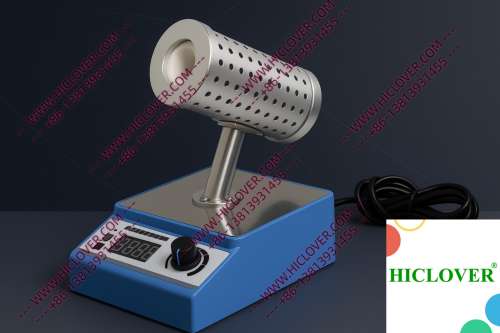
In the realm of microbiology, maintaining high standards of laboratory biosafety is paramount. From university labs to BSL-2 and BSL-3 environments, professionals face significant challenges in ensuring contamination control. Traditional sterilization methods, often relying on flame-based devices like alcohol lamps and Bunsen burners, can pose multiple hazards: not only can they compromise the integrity of sensitive materials, but also create a myriad of safety concerns, particularly in confined spaces such as biosafety cabinets.
Enter the revolutionary Micro Incinerator / Infrared Inoculating Loop Sterilizer. This unprecedented technology is transforming sterilization workflows, offering rapid thermal sterilization with unprecedented efficiency and safety for microbiologists and field researchers alike.
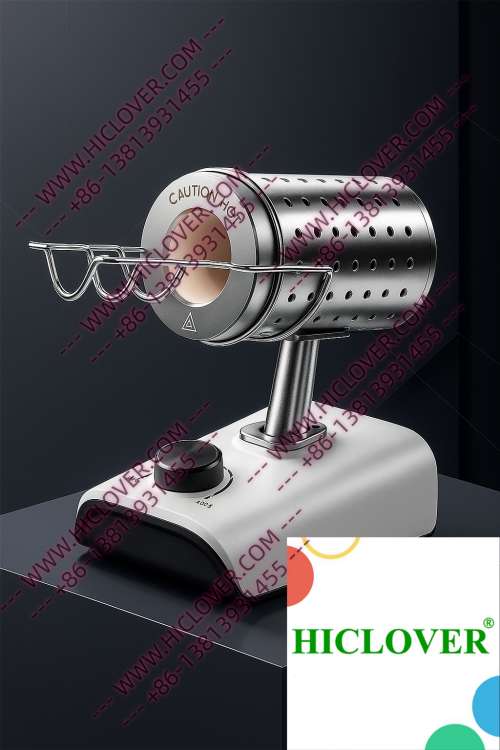
How Infrared Sterilization Works
At the core of the Micro Incinerator’s efficiency lies its advanced infrared heating technology. The design features a closed ceramic tube that generates high temperatures through infrared radiation, making it a clean-bench-safe option for sensitive lab environments. Unlike conventional flame sterilizers, which can produce soot and aerosols, the Micro Incinerator ensures aerosol-free handling, minimizing the risk of airborne contamination during critical procedures.
The device operates by heating inoculating loops to sterilizing temperatures within seconds, far less time than traditional methods. This rapid thermal sterilization not only cuts down on preparatory work but also enhances workflow efficiency, providing a better user experience in specialized environments.
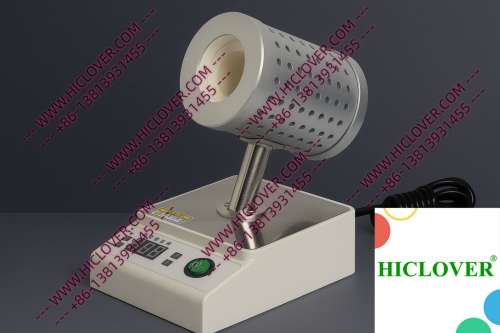
Applications in Real Labs
1. University Teaching Labs
In educational institutions, the focus is often on providing safe and effective learning environments. The Micro Incinerator proves to be an invaluable tool in university teaching labs. Students practicing inoculation techniques can utilize sterilizers that offer convenience and safety. Instead of managing flammable gas or open flames, educators can focus on guiding students through sterile techniques, enhancing overall student learning and laboratory adherence to safety protocols.
2. Field Testing and Mobile Labs
Field researchers often find themselves in environments where traditional sterilization methods are impractical. With the portability of the Micro Incinerator, scientists can sterilize tools on-site without the need for a power source or flammable materials. Mobile labs equipped with this technology can effectively conduct tests in isolated environments, from ecological studies to clinical diagnostics, adhering to the same high standards of sterilization as stationary labs.
Compliance and Environmental Considerations
When discussing laboratory sterilization equipment, compliance with biosafety standards such as those set by the World Health Organization (WHO) is crucial. The Micro Incinerator adheres to both local and international lab sterilization standards, making it a reliable choice for facilities aiming to meet stringent biosafety protocols.
As clean rooms have risen in importance within clinical diagnostics and BSL-3 microbiology labs, the transition from flame burners to advanced sterilization methods is essential to prevent contamination. The absence of flame and soot in the Micro Incinerator supports its use in cleanroom conditions, reducing the chances of particulate contamination and safeguarding sensitive environments.
Comparison of Sterilization Methods
| Feature | Micro Incinerator | Flame Sterilizers |
|---|---|---|
| Heat Source | Infrared | Open Flame |
| Time to Sterilize | Seconds | Minutes |
| Aerosol Production | None | High |
| Portability | High | Medium |
| Compliance with Cleanroom Standards | Yes | No |
FAQs
- What is a Micro Incinerator?
A Micro Incinerator is a sterilization device that uses infrared technology to rapidly and efficiently sterilize inoculating loops without producing aerosols.
- How does it compare to traditional flames?
It offers faster sterilization times, increases safety by eliminating open flames, and adheres to cleanroom standards.
- Can it be used in the field?
Yes, its portable design allows for easy sterilization in various remote settings, making it ideal for field researchers.
- Is it compliant with WHO standards?
Absolutely, the Micro Incinerator adheres to local and international biosafety standards, ensuring safety and effectiveness.
- What materials can it sterilize?
It is primarily designed to sterilize inoculating loops but can be used for various metal lab tools.
Conclusion
As microbiologists and field researchers seek to enhance safety and operational efficiency, incorporating a Micro Incinerator into their sterilization repertoire represents a significant advancement in laboratory technology. By removing the hazards associated with traditional flame sterilizers, these innovative devices allow labs to thrive in compliance with safety regulations while ensuring optimal results in contamination control.
If you’re interested in equipping your laboratory with the latest in sterilization technology, don’t hesitate to reach out for inquiries or to make a purchase. Embrace the future of sterilization with the Micro Incinerator and lead the charge in setting higher biosafety standards!
Categories:
Tags: