
In the rapidly evolving landscape of laboratory biosafety and waste management, achieving effective sterilization protocols is of paramount importance, particularly in Kenyan hospital labs. These facilities face considerable challenges, including contamination control, safe disposal of biohazardous waste, and strict adherence to biosafety regulations. With the advent of advanced sterilization technologies, the Micro Incinerator or Infrared Inoculating Loop Sterilizer has emerged as a vital solution. This article delves into the practical applications, technical principles, and regulatory compliance associated with this innovative equipment.
Understanding the Technical Principles of Micro Incinerators
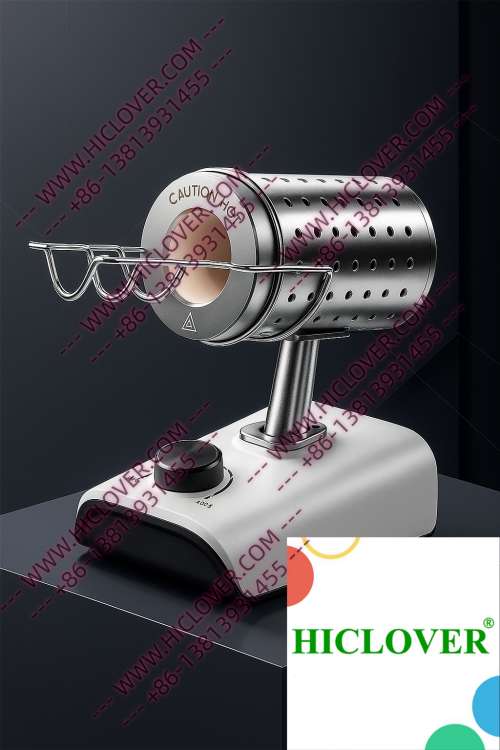
The Micro Incinerator operates on the principle of rapid thermal sterilization using infrared heat. This advanced technology utilizes an enclosed ceramic heating chamber that can achieve high temperatures quickly, ensuring effective disinfection of lab tools such as inoculating loops and needles. Unlike traditional flame sterilizers, which rely on open flames and often create aerosols, the Micro Incinerator provides a clean-bench-safe environment, crucial for maintaining biosafety levels.
Infrared high-temperature disinfection minimizes contamination risks by allowing users to sterilize instruments within seconds without generating hazardous particulates. The device’s design often features a user-friendly interface with adjustable temperature controls, enhancing operational efficiency in busy lab settings.
Applications of Micro Incinerators in Kenyan Laboratories
Micro Incinerators have garnered widespread application across various laboratory settings in Kenya. Here are two prominent scenarios demonstrating their effectiveness:
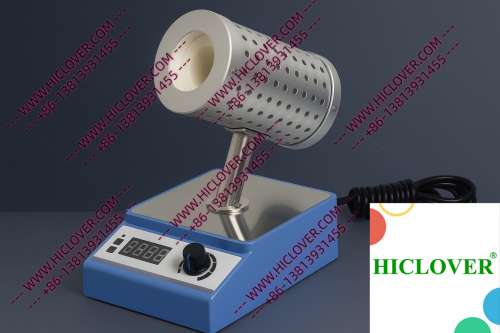
- Biosafety Cabinets: In BSL-2 and BSL-3 microbiology labs, scientists utilize Micro Incinerators for swift sterilization of inoculating loops before and after handling pathogenic organisms. This integration not only streamlines workflow but also significantly reduces the risk of aerosol generation during the sterilization process.
- Field Testing Labs: Kenya’s diverse ecosystem necessitates mobile lab setups for environmental testing and research. Micro Incinerators enable field testers to effectively sterilize their equipment on-site, ensuring compliance with biosafety standards without relying on traditional flame sources that may not be practical outdoors.
Biosafety Compliance and Environmental Considerations
The World Health Organization emphasizes the critical need for strict adherence to laboratory biosafety standards. The Micro Incinerator complies with various international and national regulations, ensuring that Kenyan laboratories meet the necessary safety benchmarks. With no flame involved, these devices are particularly suitable for clean room operations, adhering to ISO 14644 standards regarding contamination control.
Moreover, the Eco-conscious design of Micro Incinerators promotes sustainable practices by reducing the volume of waste generated from traditional sterilization methods. The absence of hazardous fumes during operation makes them an environmentally friendly alternative that resonates with global green initiatives.
Comparison: Micro Incinerator vs. Traditional Flame Sterilizers
| Feature | Micro Incinerator | Traditional Flame Sterilizers |
|---|---|---|
| Mode of Operation | Infrared heating | Open flames |
| Contamination Risk | Low | High (aerosol generation) |
| Safety in Clean Rooms | Yes (flame-free) | No |
| Efficiency | Rapid (seconds) | Longer (variable) |
| Environmental Impact | Eco-friendly | Potentially hazardous |
Educational Training and Workflow Improvement
Implementing Micro Incinerators in Kenyan hospital labs not only boosts safety but also enhances educational training for aspiring laboratory technicians. In university teaching labs, instructors can demonstrate the importance of sterilization practices using this innovative equipment, allowing students to understand modern biosafety protocols better. The rapid operational capabilities of Micro Incinerators lend themselves well to workflow improvement, minimizing downtime and maximizing productivity.
Frequently Asked Questions
- What is the primary advantage of using a Micro Incinerator over traditional sterilization methods?
The Micro Incinerator provides rapid thermal sterilization with significantly lower contamination risks due to its enclosed heating chamber, unlike traditional flame sterilizers. - Can the Micro Incinerator be used in field settings?
Yes, due to its portable design and efficient sterilization capabilities, it is ideally suited for field testing labs and mobile laboratory setups. - How does the Micro Incinerator help with compliance?
This device adheres to WHO biosafety standards and is designed for clean-room applications, ensuring that laboratories maintain high safety and sterilization standards. - Is the Micro Incinerator easy to operate?
Yes, it features an intuitive interface and adjustable temperature settings for user-friendly operations even in busy lab environments. - What kinds of instruments can be sterilized using a Micro Incinerator?
A variety of lab tools, particularly inoculating loops, needles, and other lab implements, are suitable for sterilization with this device.
Conclusion
The integration of Micro Incinerators into waste management and sterilization processes within Kenyan hospital labs represents a significant leap forward in laboratory safety and efficiency. As hospitals, research centers, and universities strive to maintain high standards of biosafety while managing hazardous waste, these advanced technologies provide a reliable solution. For those looking to enhance their sterilization workflows and uphold compliance with international standards, investing in Micro Incinerators is a compelling choice.
If you’re interested in revolutionizing your sterilization practices and ensuring the highest levels of safety, contact us today for more information about Micro Incinerators tailored to your laboratory needs!
Categories:
Tags: