
As laboratory biosafety challenges grow, the demand for effective sterilization workflows increases significantly. In the ever-evolving panorama of China’s healthcare sector, innovative solutions like the Micro Incinerator, also known as the Infrared Inoculating Loop Sterilizer, are redefining laboratory sterilization practices. These advanced technologies offer an efficient and safer alternative to traditional flame sterilizers, thus improving contamination control and laboratory efficiency.
Challenges in Laboratory Biosafety
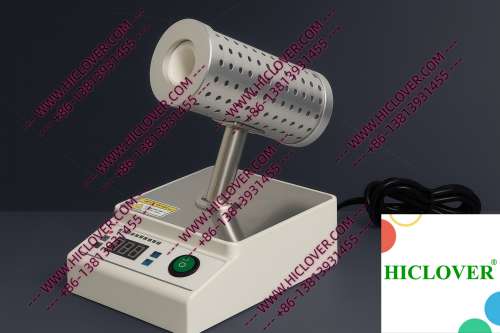
With the constant threat of biological contaminants, laboratory workers, especially those in BSL-2 and BSL-3 microbiology labs, must adhere to stringent safety protocols. Flame sterilizers, such as alcohol lamps and Bunsen burners, pose significant hazards, including risks of fire, respiratory irritation, and cross-contamination from aerosols. Consequently, the demand for clean-bench-safe solutions in laboratory environments has risen sharply. The rise of the Micro Incinerator addresses these challenges, ensuring rapid thermal sterilization while providing a safer working environment.
Technical Principles of the Micro Incinerator
The Micro Incinerator operates on the principle of infrared high-temperature disinfection. Designed with a ceramic heating chamber, this unit utilizes enclosed infrared technology that quickly reaches high temperatures to sterilize inoculating loops and other laboratory tools.
When the sterilizer is activated, the infrared element heats the ceramic tube, generating intense heat that effectively eliminates microbial life forms without the use of an open flame. This enclosed design guarantees that no harmful aerosols are generated, thus bypassing the complications associated with traditional flame sterilizers.
Product Configuration
- Compact Design: Perfectly fits in most laboratory spaces, providing efficient sterilization without taking up unnecessary room.
- User-Friendly Interface: Simple controls for activation and temperature regulation streamline the sterilization process.
- Rapid Heating and Cooling: The Micro Incinerator can quickly heat up to sterilization temperatures, making it a time-efficient option for busy laboratories.
Application Scenarios for the Micro Incinerator
1. University Teaching Labs
In university settings, particularly in microbiology courses, students regularly use inoculating loops to transfer cultures. The need for effective and rapid sterilization becomes critical in maintaining biosafety standards. The Micro Incinerator provides a safe, efficient alternative to alcohol lamps, reducing the risk of burns and smoke inhalation during teaching demonstrations.
2. Field Testing Labs
For field testing laboratories, particularly those involved in environmental sampling or outbreak responses, the Micro Incinerator offers a practical solution. Its lightweight and portable design allows for easy transport, while its rapid thermal sterilization ensures that samples are collected and processed in a contamination-free manner, thereby enhancing the reliability of results.
Compliance with Biosafety Standards
The World Health Organization (WHO) sets forth strict guidelines on laboratory safety, particularly in the handling of pathogens. Notably, the use of flame sterilizers in clean rooms and BSL laboratories can lead to fire hazards and contamination issues. The Micro Incinerator complies with international sterilization standards, providing an aerosol-free handling experience safe for the user and the samples. This alignment with recommended biosafety protocols underscores the Micro Incinerator’s role in modern laboratory practices.
Comparison of Sterilization Methods
| Feature | Micro Incinerator | Flame Sterilizer |
|---|---|---|
| Working Principle | Infrared heating | Open flame |
| Safety | Aerosol-free and no risk of ignition | Risk of burns and fire |
| Contamination Control | High efficiency in sterilization | Lower efficiency; risk of cross-contamination |
| Ease of Use | User-friendly interface | Requires skilled handling |
FAQs about Micro Incinerators
What is a Micro Incinerator?
The Micro Incinerator is an advanced sterilization tool that utilizes infrared heat to sterilize inoculating loops and other laboratory tools efficiently and safely.
How does the Micro Incinerator differ from traditional flame sterilizers?
Unlike flame sterilizers, the Micro Incinerator operates without an open flame, thereby reducing the risk of burns, contaminants, and fire hazards while offering rapid thermal sterilization.
In which laboratory settings can the Micro Incinerator be used?
The Micro Incinerator is ideal for use in clinical diagnostics, university teaching labs, mobile field testing labs, and BSL-2 or BSL-3 microbiology labs.
Is the Micro Incinerator compliant with WHO biosafety standards?
Yes, the Micro Incinerator adheres to WHO biosafety recommendations by ensuring a safe and aerosol-free sterilization process.
How long does it take to sterilize an inoculating loop with a Micro Incinerator?
Typically, sterilization takes just a few seconds, depending on the loop size, making it an efficient option for high-paced laboratory environments.
Conclusion
As the healthcare sector in China evolves, the necessity for efficient sterilization solutions becomes increasingly apparent. The Micro Incinerator not only meets the stringent demands of modern laboratories but also surpasses traditional methods in safety and effectiveness. For those seeking to enhance their sterilization processes—be it universities, hospitals, or research centers—investing in an Infrared Inoculating Loop Sterilizer is a step towards a safer and more efficient future.
For inquiries or to explore purchasing options, feel free to contact us and discover how the Micro Incinerator can transform your laboratory sterilization practices.
Categories:
Tags: