
In the ever-evolving landscape of laboratory safety, the stringent biosafety challenges faced by laboratories in Riyadh, particularly in the context of adhering to best practices for contamination control, have led to a transformative shift towards advanced sterilization technologies. One solution gaining traction is the Micro Incinerator, specifically the Infrared Inoculating Loop Sterilizer, which provides rapid thermal sterilization with precision and operational safety.
Addressing Biosafety Challenges in Laboratories
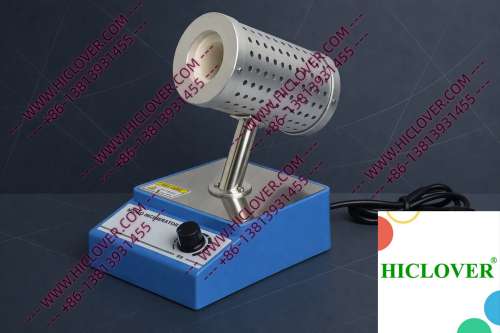
The demand for effective sterilization solutions in laboratories stems from the need to maintain a clean and contamination-free environment. Traditional methods, such as the use of alcohol lamps and Bunsen burners, entail risks including exposed flames and aerosol generation. These methods not only pose a safety hazard but also compromise the integrity of controlled environments, such as biosafety cabinets. The move towards infrared technology minimizes these risks while ensuring high-standard compliance with laboratory sterilization protocols.
Technical Principle of Micro Incinerators
Micro Incinerators operate on the principle of infrared heat, utilizing an enclosed ceramic tube that achieves high-temperature disinfection without the risks associated with open flames. This technology enables a rapid heating process that effectively sterilizes inoculating loops and other laboratory implements in a matter of seconds. The device’s design ensures that contaminants are incinerated thoroughly, preventing cross-contamination in sensitive experiments.
Application Scenarios in Laboratory Settings
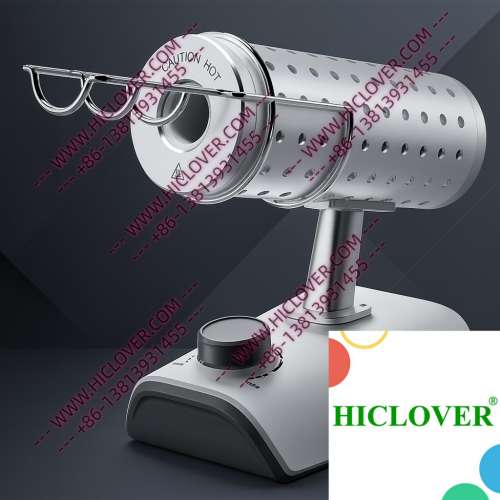
- Biosafety Cabinet Applications: In BSL-2 and BSL-3 labs, where the handling of pathogenic organisms is routine, utilizing a Micro Incinerator significantly improves operational efficiency. The device can be used conveniently inside a biosafety cabinet, ensuring that hazardous materials are incinerated safely without disturbing the clean airflow necessary for containment.
- Mobile Field Testing Labs: In regions like Riyadh, field testing often demands rapid sterilization solutions. Micro Incinerators can be easily transported to remote locations, offering lab technicians an effective and safe means to sterilize equipment on-site, reducing reliance on traditional flame-based systems that may be impractical in such settings.
Compliance with Global Safety Standards
Compliance with international safety and sterilization standards is critical for laboratories globally. The World Health Organization (WHO) emphasizes the importance of proper waste management and sterilization practices to mitigate health risks. By integrating Micro Incinerators into their sterilization workflows, laboratories not only adhere to WHO biosafety protocols but also ensure compliance with local regulations in Riyadh, which mandate stringent waste disposal practices.
Using flame-based sterilizers in clean rooms is often frowned upon due to the combustion byproducts that may introduce contaminants. Micro Incinerators, however, offer a cleaner alternative, producing no open flame while efficiently sterilizing tools, making them ideal for clean environments.
Comparison: Micro Incinerators vs. Traditional Flame Sterilizers
| Feature | Micro Incinerator | Traditional Flame Sterilizers |
|---|---|---|
| Heat Source | Infrared | Open Flame |
| Safety | Aerosol-free, no open flame | Risk of fire and aerosol generation |
| Speed of Sterilization | Seconds | Minutes |
| Environmental Impact | Minimal emissions | Combustion byproducts |
| Portability | Highly portable | Less portable |
Advantages of Micro Incineration Technology
Compared to traditional sterilization methods, Micro Incinerators bring forth a multitude of advantages:
- Rapid Thermal Sterilization: The infrared heating technology allows for immediate sterilization, thus enhancing productivity.
- Contamination Control: The enclosed nature of the device minimizes risks of airborne contaminants, making it ideal for sensitive laboratory environments.
- Versatility: The Micro Incinerator can be used in various laboratory settings, from research labs to educational institutions, adapting to diverse sterilization needs.
Frequently Asked Questions (FAQs)
- What types of laboratories can benefit from using a Micro Incinerator?
Micro Incinerators are suitable for BSL-2 and BSL-3 laboratories, veterinary clinics, educational institutions, and mobile testing labs looking for safe and efficient sterilization methods.
- How does the Micro Incinerator improve safety in the lab?
By eliminating the use of open flames and reducing the generation of aerosols, the Micro Incinerator enhances laboratory safety and minimizes the risk of contamination incidents.
- Can a Micro Incinerator be used in a biosafety cabinet?
Yes, the Micro Incinerator can be conveniently used within a biosafety cabinet, ensuring a sterile environment during the sterilization process.
- What constitutes best practices for laboratory sterilization in Riyadh?
Following WHO guidelines and local regulations, best practices include regular sterilization of instruments, using appropriate technologies like Micro Incinerators, and maintaining a contamination-free environment.
- Is training required to operate the Micro Incinerator?
While generally user-friendly, it is recommended that lab personnel undergo training to fully understand best practices and safety measures associated with the operation of the Micro Incinerator.
Conclusion
The evolution of sterilization technology in laboratories, particularly the integration of Micro Incinerators, signifies a vital step towards enhancing biosafety and operational efficiency. As laboratories in Riyadh continue to seek advanced solutions for waste management and contamination control, the Micro Incinerator stands out as a pivotal tool that aligns with the highest standards of laboratory safety. We encourage institutions, hospitals, and research centers to consider adding this state-of-the-art sterilization equipment to their operational arsenal. For inquiries or to explore our products, please reach out with your needs today!
Categories:
Tags: