
In today’s rapidly advancing biomedical landscape, laboratory biosafety challenges and sterile workflows have become crucial for both research and clinical environments. Institutions in San Francisco, characterized by their high standards and diverse facilities, must prioritize effective sterilization solutions to mitigate contamination and enhance safety. This guide delves into a critical component of sterilization systems: the Micro Incinerator / Infrared Inoculating Loop Sterilizer. We will explore its technical principles, application scenarios, compliance requirements, and overall cost considerations.
Technical Principles of Micro Incinerators
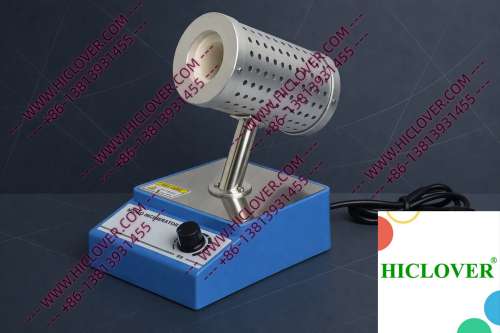
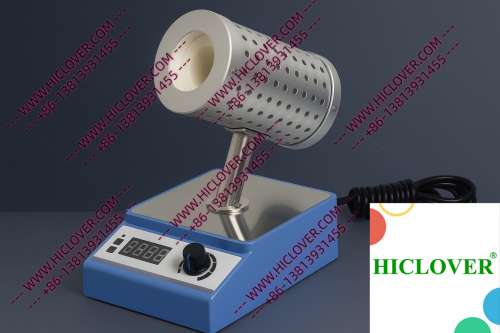
The Micro Incinerator operates on the principle of rapid thermal sterilization, utilizing infrared heat to achieve efficiency and effectiveness. This innovative device features an enclosed ceramic tube where samples are exposed to high temperatures without the use of an open flame. By generating infrared radiation, the sterilizer ensures uniform heating, leading to thorough disinfection of inoculating loops, needles, and other lab tools.
One of the key advantages of a Micro Incinerator is its clean-bench-safe operation. Unlike traditional flame sterilizers like alcohol lamps and Bunsen burners, which can introduce aerosols and disrupt the sterile environment, the infrared sterilizer minimizes contamination risks with its enclosed design and precise heating capabilities.
Comparative Features: Micro Incinerator vs. Flame Sterilizers
| Feature | Micro Incinerator | Flame Sterilizers |
|---|---|---|
| Heat Source | Infrared | Open Flame |
| Contamination Control | Low risk | High risk |
| Operating Time | Rapid (<1 min) | Variable |
| Safety | More secure | Higher hazard |
| Recovery Time | Instant | Cooling period needed |
Application Scenarios in Real Labs
Micro Incinerators are versatile tools, suitable for various laboratory environments. Here are two prevalent application scenarios:
- Biosafety Cabinets: In BSL-2 and BSL-3 microbiology labs, maintaining a sterile environment is paramount. Micro Incinerators allow researchers to sterilize tools quickly and efficiently without introducing contamination risks. Their infrared technology harmonizes with clean airflow and safety protocols to ensure operational integrity.
- University Teaching Labs: In educational settings, the need for effective and safe sterilization of inoculating loops during microbiology courses cannot be overstated. The Micro Incinerator provides students with a reliable and user-friendly method to practice aseptic techniques while adhering to safety regulations.
Compliance and Environmental Considerations
Compliance with global biosafety standards is essential for laboratories in San Francisco and worldwide. Organizations such as the World Health Organization (WHO) provide guidelines stressing the significance of safe laboratory practices, particularly in handling potentially hazardous materials. The use of flame sterilizers in clean rooms is often advised against due to the risks of aerosol generation and fire hazards. The infrared sterilizers not only align with these safety standards but also minimize environmental impacts associated with traditional combustion methods.
Market Needs and Cost Considerations
As the demand for effective sterilization solutions continues to grow, laboratories must consider various factors when investing in a Micro Incinerator. These include:
- Initial Investment: The cost of a Micro Incinerator typically ranges from $700 to $1,200 depending on the model and features.
- Operational Costs: Unlike flame sterilizers that require ongoing costs for fuel, Micro Incinerators operate on electricity, which may yield long-term savings.
- Maintenance: Infrared sterilizers require minimal maintenance compared to conventional flame systems, reducing downtime and costs.
- Longevity: Many infrared sterilizers come with warranties extending to several years, ensuring reliability and protection for your investment.
Frequently Asked Questions (FAQs)
1. What are the advantages of using a Micro Incinerator over traditional flame sterilizers?
Micro Incinerators provide rapid thermal sterilization, minimize contamination risk, and offer clean-bench-safe operations. They are also more efficient and user-friendly.
2. How do I properly maintain a Micro Incinerator?
Regular cleaning of the ceramic heating chamber and ensuring proper electrical connections are essential for maintenance. Manufacturers typically provide guidelines for optimal upkeep.
3. Are Micro Incinerators compliant with laboratory safety regulations?
Yes, they comply with global biosafety standards and are suitable for use in BSL-2 and BSL-3 labs, especially in clean room environments.
4. Can I use a Micro Incinerator in field testing labs?
Absolutely! The portable nature of some Micro Incinerator models makes them ideal for mobile or field testing laboratories.
5. What should I look for when purchasing a Micro Incinerator?
Consider factors such as heating efficiency, safety features, ease of cleaning, and compliance with relevant safety standards.
Conclusion
Investing in a Micro Incinerator or Infrared Inoculating Loop Sterilizer is a proactive step for facilities in San Francisco looking to enhance their laboratory sterilization capabilities. With its rapid thermal sterilization, low contamination risk, and compliance with global safety standards, this innovative solution will support your workforce and help maintain a sterile environment. For purchasing inquiries or further information, don’t hesitate to contact us today!