
In the bustling labs of Sri Lanka, the challenge of laboratory biosafety looms large. As contamination control becomes increasingly critical, laboratories must seek efficient and effective sterilization solutions that adhere to stringent biosafety regulations. As a result, the Micro Incinerator, particularly the Infrared Inoculating Loop Sterilizer, has seized the spotlight as a reliable alternative to traditional flame sterilizers.
The Technical Edge of Micro Incinerators
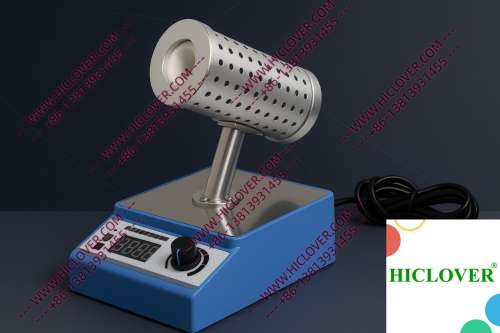
The Micro Incinerator employs rapid thermal sterilization technology that leverages the principle of infrared heat. This innovative device features an enclosed ceramic heating chamber that generates high temperatures, ensuring thorough disinfection without the use of open flames. For laboratories that prioritize safety and efficiency, the infrared system provides paramount benefits over conventional sterilization methods like alcohol lamps and Bunsen burners.
Unlike its flame-operated counterparts, the Micro Incinerator is designed to minimize aerosol-generation, making it a clean-bench-safe equipment essential for controlling contamination in sensitive environments. This feature is especially crucial in BSL-2 and BSL-3 microbiology labs where pathogen handling takes place.
Real-World Applications of Micro Incinerators
In practical laboratory settings in Sri Lanka, Micro Incinerators have found significant applications across various domains:
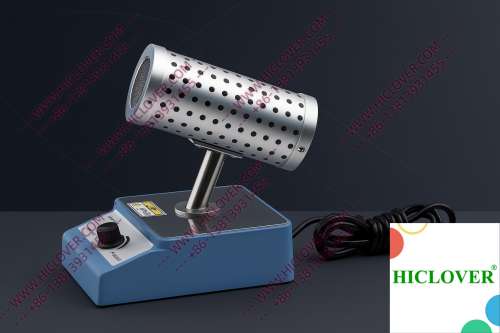
- Biosafety Cabinets: In microbiology labs, the Micro Incinerator can be integrated into biosafety cabinets to sterilize inoculating loops and other small instruments. This synergy ensures a contamination-free environment while enhancing the workflow of researchers.
- Field Testing Laboratories: For mobile labs conducting environmental samples, the portability and quick setup of the Micro Incinerator allow rapid sterilization of tools on-site, contributing to immediate and safe analysis.
- University Teaching Labs: Educational institutions benefit from incorporating Micro Incinerators into their curriculum since they can ensure safe microbial handling without posing fire hazards, creating a safer learning environment for students.
Compliance and Environmental Considerations
As laboratory environments in Sri Lanka become more vigilant about adherence to international safety standards, the Micro Incinerator stands out. According to WHO biosafety guidelines, effective sterilization is critical to eliminating pathogens and preventing outbreaks. Furthermore, the standards set for laboratory sterilization equipment require that there be no flame in clean rooms to reduce the risk of contamination.
Conventional flame sterilizers are notorious for emitting potentially harmful fumes and aerosols, rendering them non-compliant in sterile environments. In contrast, Micro Incinerators, with their enclosed nature, operate safely without the drawbacks associated with open flames.
Micro Incinerator vs. Traditional Flame Sterilizers
| Features | Micro Incinerator | Flame Sterilizers |
|---|---|---|
| Heat Source | Infrared | Open Flame |
| Contamination Control | Aerosol-free | High risk |
| Safety | Clean-bench safe | Fire hazards |
| Portability | Highly portable | Less portable |
| Speed of Sterilization | Rapid thermal sterilization | Slower response time |
Frequently Asked Questions
- What makes a Micro Incinerator preferable for sterilization over traditional methods?
Micro Incinerators eliminate the risk of contamination associated with open flames, providing a faster, safer, and more efficient sterilization process. - How does infrared technology sterilize tools?
The infrared technology produces rapid high-temperature disinfection which is effective against a wide range of pathogens and microorganisms. - Are Micro Incinerators suitable for field testing?
Yes, their portable design and ease of operation make them ideal for mobile laboratories conducting tests in various environments. - What compliance standards do Micro Incinerators meet?
Micro Incinerators comply with WHO biosafety regulations and are safe for use in cleanrooms due to their closed design and absence of flames. - Can Micro Incinerators be used in teaching labs?
Absolutely. They are an excellent choice for educational institutions looking to provide a safe and effective sterilization method for students handling microorganisms.
Conclusion
As Sri Lanka navigates the complexities of laboratory waste management and biosafety, the Micro Incinerator emerges as a crucial tool in modern sterilization. Its unmatched efficiency, compliance with safety standards, and versatility make it an indispensable asset in laboratories. Interested in elevating your sterilization practices? Contact us today to discover more about our Micro Incinerator solutions and make a purchase that aligns with your laboratory’s needs.
Categories:
Tags: