
Laboratory biosafety presents numerous challenges, ranging from contamination control to effective sterilization workflows. In Ouagadougou, Burkina Faso, these issues are paramount, particularly as research and diagnostic capabilities expand within hospitals, universities, and research centers. The effective and rapid sterilization of inoculating loops and other lab tools is crucial in protecting both laboratory personnel and research integrity. To address these challenges, modern laboratory environments increasingly rely on advanced sterilization solutions like the Micro Incinerator/Infrared Inoculating Loop Sterilizer.
Understanding Micro Incinerators and Their Advantages
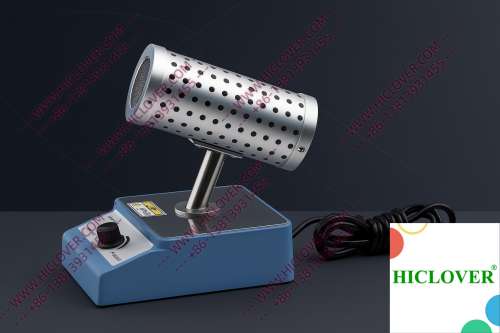
The Micro Incinerator operates on the principle of infrared heat, utilizing a high-temperature disinfection method that is not only efficient but also safer than traditional flame sterilizers such as Bunsen burners and alcohol lamps. Unlike these flame-based methods, which can pose fire hazards and generate aerosols, the Micro Incinerator provides an enclosed ceramic heating chamber that achieves sterilization without these risks.
- Rapid Thermal Sterilization: Achieves temperatures exceeding 800°C quickly, ensuring effective disinfection.
- Contamination Control: Reduces the risks of airborne pathogens through aerosol-free handling.
- Ease of Use: Simple operation with limited training needed.
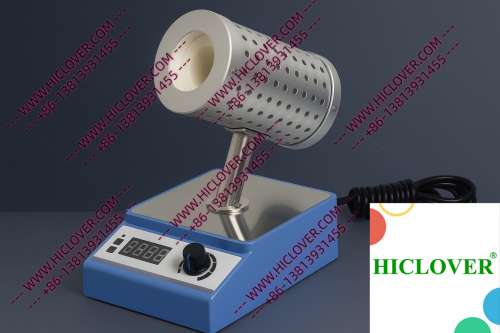
Applications in Real Laboratories
The versatility of the Micro Incinerator makes it suitable for various laboratory environments. Here are two application scenarios:
Biosafety Cabinets
In BSL-2 and BSL-3 microbiology labs, where strict contamination control is necessary, the Micro Incinerator can be integrated into biosafety cabinets. This allows for a streamlined sterilization process while maintaining the sterile environment essential for pathogen handling. Users can quickly sterilize inoculating loops and other tools, ensuring minimal disruption to their workflow and maintaining a high level of safety.
Field Testing
When conducting research in remote areas, such as mobile health initiatives in rural Burkina Faso, field testing labs often face the challenge of limited resources. The Micro Incinerator shines in these situations, providing a reliable means of sterilization without requiring a continuous power source. Its portability and efficiency enable researchers to conduct tests without compromising on sterilization standards.
Compliance with Sterilization Standards
Adhering to the World Health Organization (WHO) biosafety guidelines and local lab sterilization standards is critical. One of the chief recommendations is the elimination of open flames in clean rooms, which can lead to contamination and accidents. By utilizing a Micro Incinerator, laboratories can comply with these standards while ensuring the utmost safety for all personnel and the environment.
Benefits Over Traditional Flame Sterilizers
| Feature | Micro Incinerator | Flame Burners |
|---|---|---|
| Safety | Enclosed design, no open flames | Requires handling of open flames |
| Contamination Risk | Aerosol-free | Potential to create aerosols |
| Temperature Control | High precision with infrared heating | Difficult to manage constant flame |
| Energy Efficiency | Rapid heating and effective cycles | Energy intensive |
Frequently Asked Questions
- What makes Micro Incinerators preferable for laboratory sterilization?
The enclosed heating element and infrared technology allow for faster, safer, and more consistent sterilization compared to traditional flame methods.
- Can Micro Incinerators be used for other sterilization beyond inoculating loops?
Yes, they are versatile and can sterilize a variety of metal tools and implements used in laboratory settings.
- Are there specific guidelines for using sterilization equipment in Burkina Faso?
Yes, compliance with WHO standards and local regulations is essential to ensure safety and effectiveness in sterilization practices.
- How long does the sterilization process take with a Micro Incinerator?
The cycles are rapid, typically taking just a few seconds to achieve effective sterilization.
- Is training necessary to operate a Micro Incinerator?
Minimal training is required, making it an accessible option for laboratory personnel at all levels of experience.
Conclusion: Enhance Your Laboratory’s Safety Today
In a fast-evolving landscape of laboratory practices in Ouagadougou, Burkina Faso, the need for effective sterilization solutions is more critical than ever. The Micro Incinerator/Infrared Inoculating Loop Sterilizer presents an innovative solution to meet these demands. Not only does it ensure compliance with safety standards, but it also improves operational efficiency within various laboratory settings. If you’re looking to enhance safety in your laboratory and streamline your sterilization process, don’t hesitate to reach out for more information or to make a purchase. Your laboratory’s safety is our priority!
Categories:
Tags: