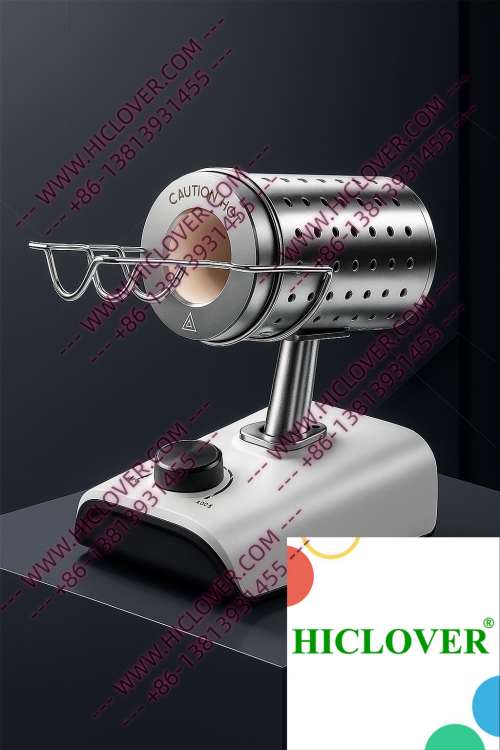
As the world grapples with increasing health challenges, the demand for effective biosafety measures in laboratories has never been more critical. In Dhaka, where hospitals and labs face significant hurdles in waste management and sterilization, the implementation of Micro Incinerators presents a forward-thinking solution. These advanced sterilization devices, particularly the Infrared Inoculating Loop Sterilizer, not only address the pressing issues of contamination control but also align with international biosafety standards.
The Challenges of Laboratory Biosafety
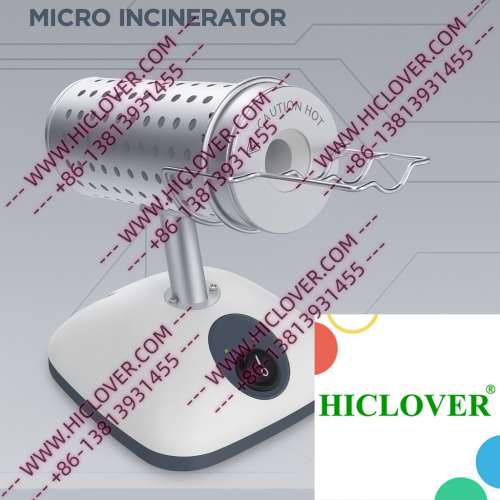
Laboratories dealing with human samples and pathogens must adhere to strict biosafety protocols. The traditional methods of sterilization, such as flame sterilizers, pose several challenges including the risk of aerosol generation, flame hazards in sensitive environments, and inadequate sterilization of utensils such as inoculating loops. As lab workflows evolve, the need for rapid thermal sterilization that offers both efficiency and safety has become paramount. This is where the Micro Incinerator shines by providing a clean, enclosed system for sterilizing instruments without the risks associated with flames.
How Micro Incinerators Work
The technical principle behind Micro Incinerators lies in their innovative use of infrared heat. Unlike conventional methods, these devices utilize a ceramic heating chamber that rapidly reaches high temperatures necessary for effective sterilization. The enclosed design allows for controlled heating, ensuring that utensils are thoroughly disinfected while minimizing airborne contaminants. This method stands in stark contrast to traditional flame sterilizers, which can inadvertently introduce impurities into the clean environment.
Device Configuration and Unique Features
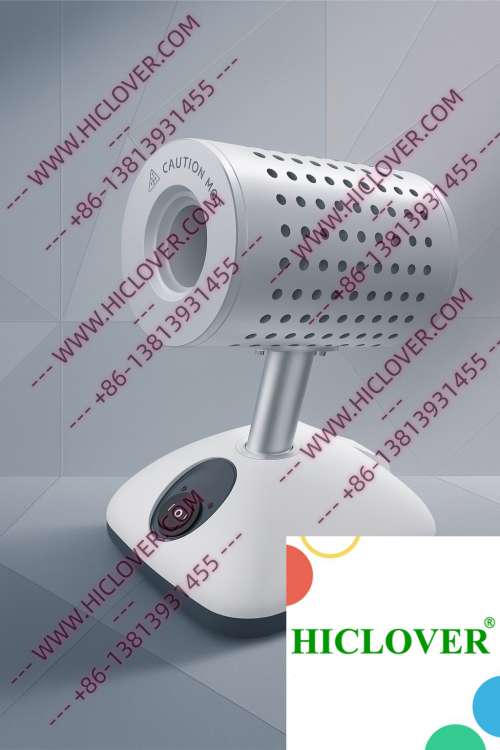
- Infrared Heating: Provides rapid thermal sterilization, allowing for immediate use of sterilized instruments.
- Enclosed Ceramic Tube: Ensures high-temperature disinfection while reducing the risk of aerosol generation.
- Lightweight and Compact: Easily integrated into various lab settings, including biosafety cabinets and teaching laboratories.
- No Flame Hazards: Enhances safety in clean rooms and sensitive environments.
Application Scenarios in Real Labs
Biosafety Cabinets
In BSL-2 and BSL-3 microbiology labs, the Micro Incinerator is often employed within biosafety cabinets to sterilize tools before and after handling pathogen samples. This setup reduces the risk of contamination and ensures that sterile instruments are always available for use. The rapid heating of the Micro Incinerator means that lab technicians can maintain a streamlined workflow without the inconvenience of waiting for instruments to cool down after using a flame sterilizer.
Teaching Laboratories
Universities also benefit from the adoption of Micro Incinerators in teaching laboratories. Students can learn important sterilization techniques in a safe and controlled environment. The lack of open flames not only ensures student safety but also maintains a clean bench-safe condition that is crucial for sensitive experiments. Furthermore, the efficiency of the Micro Incinerator encourages the practice of proper waste management, aligning educational efforts with professional lab standards.
Compliance and Environmental Considerations
Compliance with WHO biosafety guidelines and local health regulations is essential for laboratories in Dhaka and around the world. The use of Micro Incinerators supports laboratory sterilization standards by providing a method that prevents contamination while ensuring safe operation without the need for flames. In clean rooms and sensitive lab environments, the absence of flames mitigates potential hazards and aligns with best practices in laboratory safety.
Why Choose Micro Incinerators Over Traditional Flame Sterilizers?
| Feature | Micro Incinerator | Flame Sterilizers |
|---|---|---|
| Heating Method | Infrared | Flame |
| Risk of Aerosols | Minimized | High |
| Safety in Clean Rooms | Yes | No |
| Efficiency | High | Variable |
| Ease of Use | Simple and fast | Requires skill |
Frequently Asked Questions (FAQs)
What is the main advantage of using a Micro Incinerator for sterilization?
The Micro Incinerator offers a more efficient and safer alternative to traditional flame sterilizers, reducing the risk of aerosol contamination while providing rapid and effective sterilization.
Can Micro Incinerators be used in field testing laboratories?
Yes, the portability and compact design of Micro Incinerators make them ideal for use in field testing environments where safety and efficiency are crucial.
How do Micro Incinerators comply with WHO guidelines?
Micro Incinerators adhere to WHO biosafety guidelines by ensuring that sterilization is effective without introducing additional hazards such as flames or aerosols.
Are Micro Incinerators suitable for BSL-2 and BSL-3 laboratories?
Absolutely, their enclosed design and high-temperature disinfection capabilities make them perfect for the stringent demands of BSL-2 and BSL-3 environments.
What kind of maintenance is required for a Micro Incinerator?
Routine maintenance includes cleaning the ceramic heating element and ensuring that the device is functioning properly. Regular checks will ensure longevity and consistent performance.
Conclusion
As Dhaka hospitals shift towards cleaner and safer sterilization methods, embracing Micro Incinerators represents a significant advancement in medical waste management. By prioritizing safety, compliance, and efficiency, these devices fulfill modern laboratory needs effectively. For distributors, research centers, and universities looking to enhance their sterilization processes, the Micro Incinerator stands out as an exemplary investment.
For more information on Micro Incinerators and how they can transform your biosafety practices, consider reaching out to our team for a consultation or product inquiry. Together, we can ensure a cleaner and safer future in laboratory sterilization.
Categories:
Tags: