
In laboratories, especially those involved in clinical diagnostics or microbiology (BSL-2 and BSL-3), the proper management of biosafety protocols is of utmost importance. Challenges around contamination control and the rapid sterilization of laboratory tools can hinder workflow efficiency. Traditional flame sterilizers, like alcohol lamps and Bunsen burners, pose significant risks, such as aerosol generation, which can compromise cleanroom environments. As a cleaner, safer alternative, the flameless micro incinerator, specifically the infrared inoculating loop sterilizer, is rising in popularity.
Understanding the Technical Principles of Micro Incinerators
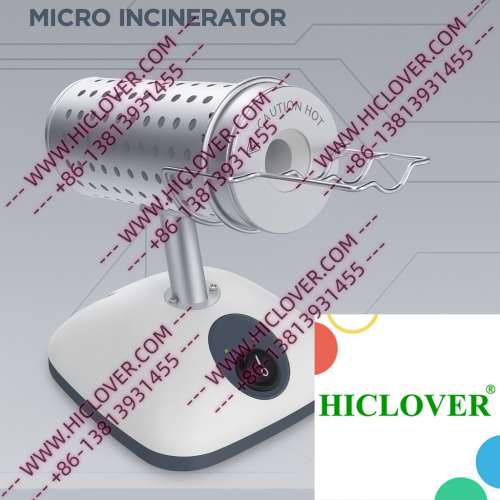
The micro incinerator utilizes infrared heat to achieve rapid thermal sterilization. Unlike conventional methods that expose instruments to open flames, micro incinerators feature an enclosed ceramic heating chamber that ensures uniform heat distribution. This design eliminates flames and drastically reduces the risk of ignition or contamination.
The configuration of a typical micro incinerator includes features such as:
- Adjustable temperature settings for precise sterilization.
- A built-in sensor that automatically shuts off power when not in use.
- Lightweight and portable design, ideal for mobile or field testing labs.
- Safety: No open flame reduces the risks of fire hazards.
- Efficiency: Rapid thermal sterilization cut down on wait times.
- Controlled Environment: Ideal for sensitive applications such as CO₂ incubators and anaerobic chambers.
Applications in Real-World Laboratory Settings
1. Laboratory Bio-safety Cabinets
In many biosafety laboratories, controlling contamination is non-negotiable. The micro incinerator is well-suited for use inside bio-safety cabinets. Its flameless operation ensures a sterile environment, minimizing the risk of external contaminants. Researchers can confidently sterilize inoculating loops and other tools without worry, adhering to strict biosafety protocols.
2. Field Testing and Mobile Labs
In regions like Abuja, where waste management can be challenging, mobile laboratories and field testing units benefit significantly from flameless sterilization technology. Micro incinerators allow for simple and efficient sterilization of equipment on-site, helping to maintain laboratory standards wherever the work takes place. This adaptability is particularly crucial in remote or underserved areas.
Compliance with Biosafety Standards
According to the World Health Organization (WHO) and various laboratory sterilization standards, ensuring that there are no open flames in clean rooms is paramount. Standards dictate that materials susceptible to contamination should be sterilized effectively and safely. The micro incinerator fits the bill—providing a compliant, aerosol-free method of handling sterilization.
The benefits over traditional flame sterilizers include:
Comparative Analysis: Micro Incinerators vs. Flame Burners
| Feature | Micro Incinerator | Flame Burner |
|---|---|---|
| Heat Source | Infrared Heat | Open Flame |
| Safety | High | Moderate |
| Environment Impact | Aerosol-free | Possible aerosols |
| Portability | Lightweight | Depends on model |
Frequently Asked Questions (FAQs)
What is a micro incinerator used for?
A micro incinerator is primarily used for rapid thermal sterilization of laboratory instruments such as inoculating loops, helping to control contamination in laboratories.
How does the infrared inoculating loop sterilizer work?
The infrared inoculating loop sterilizer works by using infrared heat to achieve high temperatures quickly, effectively sterilizing instruments without the use of flames.
What are the advantages of using a micro incinerator over traditional flame sterilizers?
Micro incinerators are safer, produce no aerosols, are more efficient, and can be used in cleanroom environments, making them a preferred choice over traditional flame sterilizers.
Are micro incinerators compliant with lab safety standards?
Yes, they comply with WHO biosafety standards and laboratory sterilization protocols, ensuring safe operation in various laboratory settings.
Can micro incinerators be used in mobile laboratory settings?
Yes, their lightweight and portable design makes them ideal for usage in mobile or field testing laboratories.
Conclusion
With increasing demands for efficient and safe biosafety measures, the emergence of flameless micro incinerators as a tool for laboratory sterilization marks a significant milestone in waste management strategies like those being implemented in Abuja. By opting for an infrared inoculating loop sterilizer, labs can streamline their sterilization workflows, enhance safety protocols, and better comply with global standards. If you are looking to upgrade your sterilization equipment, consider investing in this innovative solution that meets both modern demands and environmental needs. Contact us for more information or to discuss purchasing options today.
Categories:
Tags: