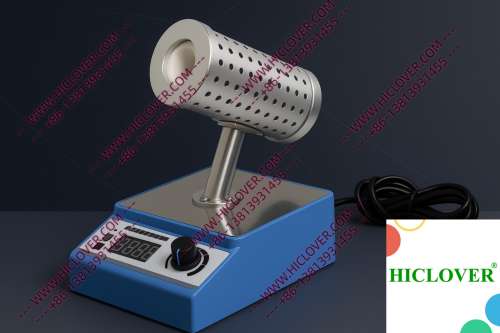
In the bustling world of laboratory work in Lagos, Nigeria, ensuring proper sterilization poses significant challenges. With increasing awareness of biosafety and contamination control, labs face the pressing demand for reliable sterilization techniques. Micro Incinerators, particularly the Infrared Inoculating Loop Sterilizer, have become essential instruments for laboratories seeking effective and safe methods to handle potentially dangerous microorganisms.
The Technical Principles Behind Infrared Sterilization
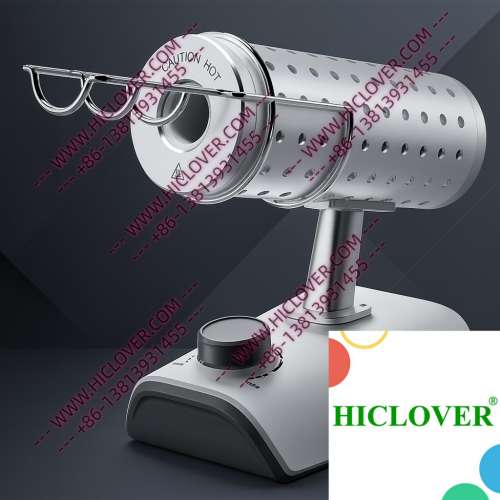
The Micro Incinerator utilizes rapid thermal sterilization by employing infrared heat technology, which generates high temperatures within an enclosed ceramic heating chamber. Unlike traditional flame sterilizers such as alcohol lamps or Bunsen burners, which can produce aerosols and pose contamination risks, the infrared sterilizer provides a clean-bench-safe environment. This tool operates by concentrating heat directly where it is needed—at the inoculating loop—allowing for efficient disinfection without the associated risks of open flames.
Advantages Over Traditional Flame Sterilizers
- Reduced Risk of Contamination: Infrared sterilizers prevent aerosol formation, enhancing safety in BSL-2 and BSL-3 labs.
- User-friendly Design: The compact and portable nature of micro incinerators makes them ideal for both stationary and mobile laboratory settings.
- Energy Efficiency: Infrared technology requires less energy compared to prolonged use of flames, thus saving operational costs.
- Technology Type: Infrared sterilizers typically come with a higher initial investment compared to traditional models, but consider their long-term savings on energy and contamination control.
- Brand and Quality: Reputable brands that offer reliable after-sales support often reflect in their pricing. Investing in high-quality sterilizers can result in fewer maintenance issues over time.
- Seller Pricing Strategies: Different suppliers may have varying pricing structures, factoring in shipping costs, taxes, and local market conditions in Lagos.
- What is the difference between an infrared sterilizer and a traditional flame sterilizer?
Infrared sterilizers utilize concentrated heat without open flames, thus minimizing contamination risks and enhancing safety, while flame sterilizers can generate aerosols. - How much does a Micro Incinerator cost in Lagos?
Prices vary significantly; typically, models can range from X to Y, depending on specifications and supplier. - Are infrared sterilizers energy-efficient?
Yes, due to their rapid heating capabilities, they often consume less energy than prolonged flame sterilization processes. - Which types of laboratories benefit most from using Micro Incinerators?
BSL-2 and BSL-3 microbiology labs, clinical diagnostics, teaching laboratories, and mobile field-testing labs all benefit significantly from their use. - How do I ensure compliance with sterilization standards?
Using equipment that meets WHO and local regulatory standards while maintaining proper protocols ensures compliance and enhances safety.
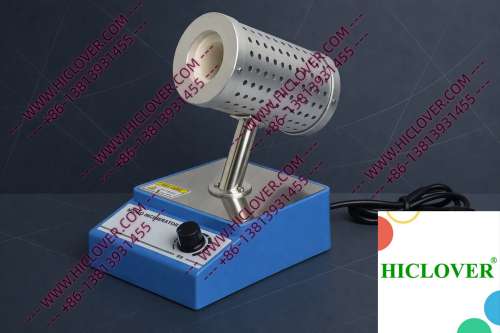
Practical Applications in Laboratory Settings
The versatility of the Infrared Inoculating Loop Sterilizer shines in various laboratory scenarios:
1. Biosafety Cabinets
In biosafety cabinets, where the containment of biohazardous materials is crucial, using a micro incinerator enhances the workflow by minimising contamination risks. This setup is particularly vital when dealing with sensitive cultures that require sterile conditions. The rapid heat application ensures that the inoculating loop is sterilized in seconds, allowing microbiologists to work efficiently without interruption.
2. Teaching Laboratories
In academic institutions, such as universities in Lagos, teaching labs benefit greatly from incorporating infrared loop sterilizers. They allow students to learn proper sterilization techniques while observing biosafety protocols. Infrared sterilizers serve as a safer alternative to flame-based sterilization, making them a preferred choice in educational settings where protocol adherence is critical but learning the sterilization process shouldn’t be overshadowed by risks associated with flames.
Compliance and Environmental Considerations
With the World Health Organization (WHO) and other regulatory bodies setting stringent biosafety and sterilization standards, laboratories must adopt methods that adhere to these guidelines. The non-flame nature of infrared sterilizers makes them particularly suited for clean rooms and any environment that necessitates minimal contaminants. Many laboratories are now emphasizing compliance with biosafety cabinet standards by opting for equipment designed to reduce aerosol generation and enhance user safety.
Furthermore, picking an infrared sterilizer aligns with environmental consciousness by reducing combustion emissions associated with flame-based sterilization techniques, contributing to a cleaner and safer laboratory environment.
Cost Factors and Considerations in Pricing
When navigating the costs of loop sterilizers in Lagos laboratories, several factors influence the pricing structures you may encounter. Key considerations include:
FAQ Section
Frequently Asked Questions
Conclusion
Enhanced biosafety and contamination control are critical in laboratories, and investing in a Micro Incinerator / Infrared Inoculating Loop Sterilizer is an effective way to upgrade your sterilization workflow. By choosing this advanced sterilization equipment, your laboratory will be aligned with international standards, mitigating contamination risks and improving overall safety. For further inquiries or to arrange a purchase tailored to your specific laboratory needs in Lagos, please feel free to contact us. Together, let’s enhance the quality and safety of your laboratory operations.
Categories:
Tags: