
As Ethiopia continues to develop its healthcare and laboratory infrastructure, a significant challenge remains: ensuring effective sterilization methods that uphold biosafety standards. In both urban and rural laboratory settings, rapid sterilization workflows are essential, especially amidst the increasing threat of contamination in research and medical environments. Traditional methods, such as flame sterilizers, come with safety concerns, inefficient sterilization processes, and the potential for unintended ignition.
The Need for Modern Sterilization Solutions
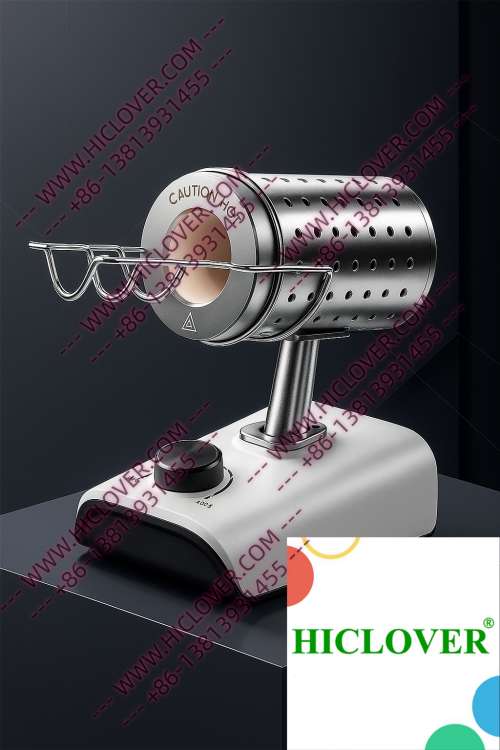
Laboratories require reliable sterilization equipment that not only meets biosafety norms but also enhances workflow efficiency. Enter the Micro Incinerator, or Infrared Inoculating Loop Sterilizer, a cutting-edge solution that provides rapid thermal sterilization without the flame hazards associated with Bunsen burners and alcohol lamps. This innovative device offers a robust alternative for researchers and clinicians striving for contamination control and safe operations.
Technical Principles Behind the Micro Incinerator
The Micro Incinerator operates on the principle of infrared heat, utilizing an enclosed ceramic tube that reaches high temperatures rapidly. This design not only ensures effective sterilization of inoculating loops and other lab instruments but also minimizes the risk of aerosol generation—a common concern in biosafety laboratories. The ceramic heating chamber retains high temperature and promotes thorough disinfection while being clean-bench-safe, making it an ideal choice for sensitive environments.
Application Scenarios for Micro Incinerators
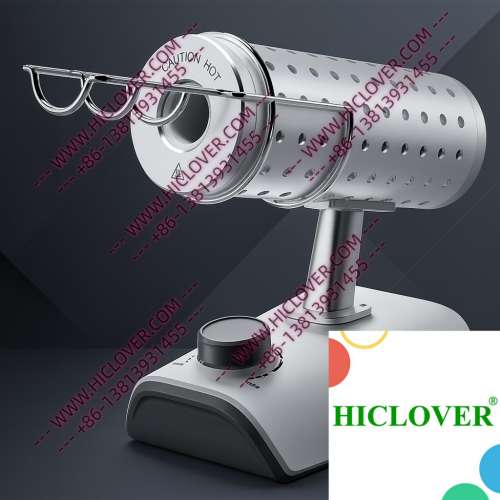
There are multiple contexts in which Micro Incinerators excel, further emphasizing their versatility:
- Biosafety Cabinet Use: Within BSL-2 and BSL-3 microbiology labs, where contamination risks are palpable, the Micro Incinerator can safely sterilize tools and consumables without the worry of flame spread or fumes, ensuring a sterile environment.
- Field Testing Labs: In mobile settings and field research, where electrical access may be limited, the Micro Incinerator offers a portable and reliable alternative that can operate in diverse locales, providing quick sterilization on-site.
- University Teaching Labs: Academic environments require equipment that is safe and educational. Using the Micro Incinerator fosters best practices in laboratory safety among students, as they learn the importance of proper sterilization techniques without exposure to flame hazards.
Compliance with Biosafety Standards
Compliance with organizations such as the World Health Organization (WHO) is imperative for labs worldwide. The Micro Incinerator adheres to biosafety and sterilization standards, allowing laboratories to operate safely while delivering optimal performance. Eliminating open flames in clean room operations significantly enhances safety protocols, particularly in sensitive environments where volatile substances may be present. The following compliance aspects are pertinent:
- Ensures adherence to WHO biosafety guidelines.
- Supports laboratory sterilization standards set by relevant health agencies.
- Eliminates the risk of ignition and chemical fume accidents associated with flame-based sterilization.
Comparative Advantage of Micro Incinerators vs. Flame Burners
| Features | Micro Incinerator | Flame Burners |
|---|---|---|
| Safety | High, flameless operation | Low, risk of burns and ignition |
| Sterilization Speed | Rapid thermal sterilization | Variable & slower, depending on flame intensity |
| Ease of Use | Simple, one-step operation | Complex, requiring flame management |
| Environmental Impact | Minimal, no combustion emissions | Presence of combustion gases |
Frequently Asked Questions
What is a Micro Incinerator, and how does it work?
A Micro Incinerator, or Infrared Inoculating Loop Sterilizer, uses infrared radiation to generate high temperatures in an enclosed ceramic tube, permitting the rapid sterilization of laboratory instruments without flames.
Is the Micro Incinerator compliant with international standards?
Yes, it meets WHO biosafety guidelines and other laboratory sterilization standards, ensuring safe use in BSL-2 and BSL-3 environments.
Can the Micro Incinerator be used in field testing labs?
Absolutely. Its portable design allows for efficient, on-the-go sterilization in remote locations with minimal equipment requirements.
What are the advantages of using a Micro Incinerator over traditional flame burners?
The advantages include enhanced safety, rapid sterilization, clean operation without combustion emissions, and the elimination of aerosol generation, making it ideal for cleanroom settings.
Conclusion
In conclusion, the Micro Incinerator represents a significant advancement in laboratory sterilization technology, particularly for Ethiopia’s urban and rural healthcare settings. By transitioning to such innovative devices, laboratories can enhance their biosafety performance and streamline workflows effectively. For those interested in elevating their sterilization processes, we encourage you to explore purchasing options to integrate Micro Incinerators into your laboratory setup. Together, we can pave the way for cleaner, safer laboratory environments in Ethiopia.
Categories:
Tags: