
In modern laboratory environments, maintaining biosafety and adhering to sterilization standards are paramount. Whether you’re managing a BSL-2 microbiology lab or a university teaching facility, the demands for effective sterilization processes are ever-evolving. As researchers and technicians strive to enhance contamination control in their workflows, the selection of appropriate sterilization equipment becomes crucial. One of the most advanced tools at their disposal is the Micro Incinerator, also known as the Infrared Inoculating Loop Sterilizer.
Understanding the Mechanism Behind Infrared Sterilization
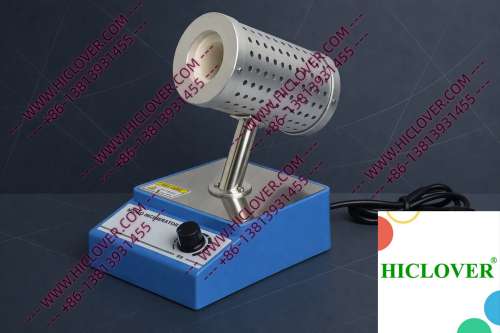
The Micro Incinerator operates on the principle of rapid thermal sterilization, utilizing infrared technology to achieve high-temperature disinfection. Encased in a sleek design with a ceramic heating chamber, the Micro Incinerator delivers focused infrared heat without the risks associated with traditional flame sterilizers. Unlike alcohol lamps or Bunsen burners that produce an open flame, which can lead to contamination and hazardous fumes, the infrared unit provides a clean, aerosol-free handling environment suitable for sterile applications.
Features of Micro Incinerators Compared to Traditional Flame Sterilizers
| Features | Micro Incinerator | Flame Sterilizers |
|---|---|---|
| Temperature Control | Precise and adjustable | Variable, harder to control |
| Safety | No open flame | Risk of fire and contamination |
| Handling | Aerosol-free | Can produce aerosols |
| Design | Compact and portable | Bulky and less mobile |
| Use in Clean Rooms | Yes, flame-free | No, poses contamination risk |
Real-World Applications
The versatility of the Micro Incinerator shines in diverse laboratory settings. Here are two application scenarios where these units excel:
- Biosafety Cabinet Operations: In BSL-2 and BSL-3 labs, where maintaining a sterile environment is critical, the Micro Incinerator allows for seamless inoculation loop sterilization without disturbing the controlled airflows within the cabinet. Its enclosed design ensures that no harmful aerosols escape, making it a viable option for sensitive experiments.
- Field Testing and Mobile Labs: For mobile labs conducting field testing, portability and quick sterilization are essential. The Micro Incinerator’s compact design enables easy transport, while its rapid heating allows researchers to quickly sterilize tools without the need for extensive setup, thus enhancing efficiency in the field.
Compliance with Biosafety Standards
Choosing the right sterilization equipment is not just about convenience; it’s about ensuring compliance with international biosafety standards. The World Health Organization (WHO) emphasizes the importance of sterilization methods that minimize the risk of exposure to potentially hazardous biological agents. The use of flame sterilizers is generally discouraged in cleanroom environments where ignition sources must be eliminated.
Moreover, laboratory sterilization standards established by regulatory bodies provide guidelines for effective sterilization processes. The Micro Incinerator, with its low smoke output and flame-free operation, aligns with these compliance mandates, ensuring safety and protecting the integrity of laboratory operations.
Frequently Asked Questions (FAQs)
- What makes the Micro Incinerator better than traditional flame sterilizers?
The Micro Incinerator provides precise temperature control, eliminates the risk associated with open flames, and is safe for use in clean environments. - Can the Micro Incinerator be used in teaching laboratories?
Yes, its safe and effective sterilization capabilities make it ideal for educational settings. - How does this sterilizer handle different inoculating loops?
The high-temperature infrared heat effectively sterilizes all loop types quickly and thoroughly, ensuring reliability. - Is the Micro Incinerator compliant with WHO biosafety standards?
Yes, it adheres to guidelines that promote safe laboratory practices and minimize contamination risks. - What is the typical operating temperature of a Micro Incinerator?
The unit typically operates at temperatures around 900°C, capable of rapid sterilization in just a few seconds.
Conclusion: Elevate Your Sterilization Game
Investing in a Micro Incinerator means prioritizing safety, efficiency, and compliance in your laboratory sterilization processes. As you weigh your options for sterilization equipment, consider the unique advantages that an infrared inoculating loop sterilizer offers over traditional flame methods. For facilities in cities like San Francisco, Boston, or globally recognized research centers, equipping your lab with advanced sterilization technology is not just beneficial—it’s essential. Get in touch with us today to learn more about how our Micro Incinerators can enhance your laboratory workflow!