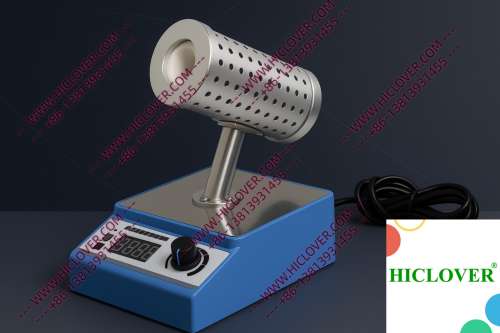
Laboratories worldwide face increasing demands for enhanced biosafety practices as they strive to minimize contamination and optimize sterilization workflows. Amid rising concern for laboratory hygiene, the need for reliable sterilization equipment has never been more pressing. Enter the Micro Incinerator, specifically the Infrared Inoculating Loop Sterilizer—a pivotal solution that seamlessly addresses these challenges, elevating the standards of biosafety and infection control.
Understanding the Technical Principles of Micro Incineration
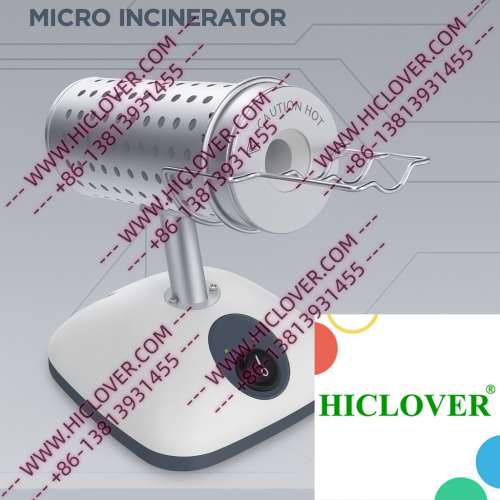
The Micro Incinerator employs infrared heat technology to deliver rapid thermal sterilization. Unlike traditional flame sterilizers, such as alcohol lamps or Bunsen burners, which carry inherent risks of open flames, the Micro Incinerator provides a safe, enclosed ceramic heating chamber. This design facilitates high-temperature disinfection without aerosols, making it ideal for clean bench environments.
- Infrared Heat: The device generates direct infrared heat that effectively destroys microbial contaminants in seconds, ensuring thorough sterilization of inoculating loops and other lab instruments.
- Enclosed Chamber: The ceramic tube design prevents the release of harmful fumes or aerosols, promoting a safer laboratory atmosphere.
- Compact & Portable: Its lightweight structure enables easy mobility, making it suitable for diverse laboratory settings.
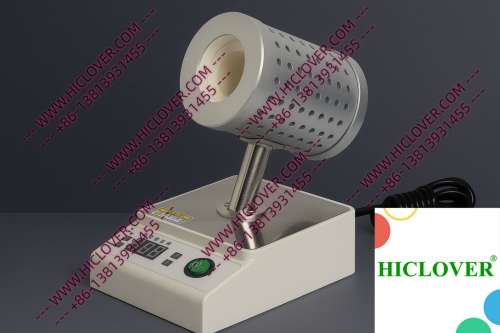
Application Scenarios in Real Labs
Micro Incinerators are increasingly becoming indispensable tools in various laboratory environments. Here are two representative application scenarios:
Biosafety Cabinet Sterilization
In BSL-2 and BSL-3 microbiology labs, where the handling of pathogenic organisms is routine, the Micro Incinerator plays a crucial role. The device is strategically placed within biosafety cabinets, allowing technicians to quickly sterilize tools between samples without compromising the sterile environment. This rapid thermal sterilization effectively reduces the risk of contamination, thereby enhancing both laboratory safety and workflow efficiency.
Field Testing and Mobile Labs
During field testing, laboratory personnel often encounter challenging environments where traditional sterilization methods may not be practical. The Micro Incinerator’s portable design allows researchers to sterilize equipment on-the-go, thereby facilitating immediate processing of samples in remote locations. This adaptability proves invaluable in clinical diagnostics and environmental sampling, where timely and reliable sterilization is critical.
Biosafety Compliance and Environmental Considerations
When selecting sterilization equipment, compliance with established biosafety standards is paramount. The World Health Organization (WHO) and various regulatory bodies have set rigorous lab sterilization standards aimed at minimizing infection risks. One primary concern is the presence of open flames in cleanrooms, which not only increase the risk of fires but can also disrupt sterile conditions. By utilizing a Micro Incinerator, laboratories can ensure:
- Compliance with WHO Biosafety Standards: The enclosed design eliminates the hazards associated with open flames.
- Increased Safety: Reducing aerosol generation mitigates potential exposure to harmful pathogens, supporting personnel safety.
Moreover, the Micro Incinerator contributes to greener waste disposal practices by efficiently sterilizing materials without generating harmful exhaust fumes, making it an environmentally responsible choice.
Comparative Analysis: Micro Incinerator vs. Traditional Flame Burners
| Features | Micro Incinerator | Flame Burners |
|---|---|---|
| Safety | Enclosed design with no open flames | Open flame increases fire hazard |
| Speed of Sterilization | Rapid thermal sterilization in seconds | Variable; may take longer depending on skill |
| Environment | No aerosol generation | Potential for aerosol and combustion residues |
| Portability | Lightweight and compact | Can be cumbersome to handle |
Frequently Asked Questions
What is a Micro Incinerator?
A Micro Incinerator, specifically the Infrared Inoculating Loop Sterilizer, is a device used in laboratories to sterilize inoculation loops and, occasionally, other laboratory instruments using infrared heat technology within a safe, enclosed chamber.
How does the Micro Incinerator differ from traditional methods?
Unlike traditional flame sterilizers that pose a risk of open flames and potential contamination, Micro Incinerators utilize infrared heat to provide a rapid and safe means of sterilization, particularly suitable for clean labs.
Where can I use a Micro Incinerator?
This device can be effectively used in clear biosafety cabinets, field testing environments, clinical diagnostics, and university teaching labs, making it versatile for various laboratory needs.
What are the environmental benefits of using a Micro Incinerator?
The Micro Incinerator promotes cleaner waste disposal practices by eliminating the production of harmful vapors, thereby enhancing compliance with environmental regulations and laboratory safety protocols.
Conclusion
In an era where laboratory safety and efficiency are more critical than ever, the Micro Incinerator emerges as a transformative solution in the realm of sterilization equipment. With its rapid thermal sterilization capabilities, safe design, and environmental considerations, it stands as a superior alternative to traditional flame sterilizers. For laboratory supply distributors, hospitals, universities, and research centers in the U.S., investing in Micro Incinerators like the Infrared Inoculating Loop Sterilizer is a step towards elevating biosafety standards and optimizing laboratory workflows. Contact us today to learn more about how our products can meet your laboratory’s sterilization needs.
Categories:
Tags: