
In the world of modern laboratory research and clinical diagnostics, maintaining high-level biosafety is a formidable challenge. This challenge becomes even more pronounced in environments where contamination control is critical for accurate results, such as BSL-2 and BSL-3 microbiology labs. With demanding sterilization workflow requirements, laboratories are increasingly turning to innovative solutions that enhance safety and efficiency. One such solution is the Micro Incinerator or Infrared Inoculating Loop Sterilizer, which presents numerous advantages over traditional flame sterilizers.
Advanced Sterilization Technology: How Micro Incinerators Work
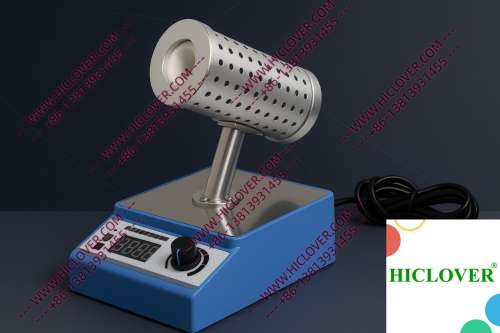
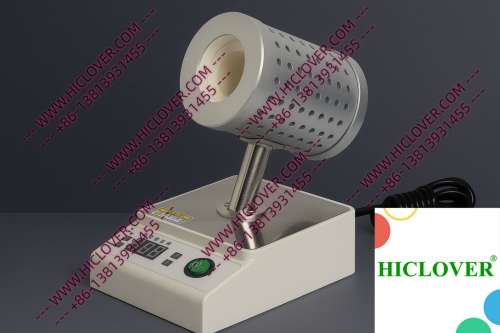
The Micro Incinerator operates using advanced infrared heating technology, which allows for rapid thermal sterilization of laboratory instruments without the risks associated with open flames. This device utilizes an enclosed ceramic tube that generates high temperatures, effectively eliminating pathogens in mere seconds.
When an inoculating loop or other metal instruments are inserted into the ceramic chamber, they are subjected to infrared high-temperature disinfection. This mode of operation ensures that the sterilization process is both efficient and clean, producing no aerosols and minimizing contamination risks in sensitive laboratory environments.
Features of the Micro Incinerator
- Rapid Thermal Sterilization: Quickly achieves necessary temperatures for effective sterilization.
- Aerosol-Free Handling: Eliminates the risk of aerosol spread, crucial for clinical settings.
- Ceramic Heating Chamber: Durable and easy-to-clean, enhancing the longevity of the unit.
- Compact Design: Ideal for laboratories with limited space.
- Electric-Powered: Removes the need for flammable substances like alcohol and gas.
Application Scenarios for Micro Incinerators
The versatility of micro incinerators shines through in various laboratory settings, including:
1. Biosafety Cabinet Utilization
In BSL-2 and BSL-3 microbiology labs, micro incinerators are souvent placed within biosafety cabinets to ensure sterile conditions while manipulating pathogenic organisms. The lack of open flames significantly reduces the risk of ignition, making it a safer choice for handling volatile substances and minimizing contamination.
2. Mobile and Field Testing Applications
Mobile laboratories or field testing environments benefit greatly from micro-incineration technology, as researchers often work in non-traditional settings where access to traditional sterilization methods is limited. The compact size and electric operation make these devices perfectly suited for field applications, including environmental sampling and clinical diagnostics in remote areas.
Compliance and Environmental Considerations
Compliance with international biosafety and sterilization standards is vital in laboratory operations. The World Health Organization (WHO) emphasizes the need for strict adherence to laboratory safety protocols, especially regarding sterilization equipment. Utilizing a micro incinerator aligns with these standards, as it offers clean-bench-safe operation that does not emit harmful aerosols, thus supporting a safer laboratory environment.
Additionally, many institutions require sterilization devices to operate without flames, particularly in cleanrooms and areas with strict cleanliness regulations. Micro incinerators provide the advantage of meeting these requirements while ensuring effective sterilization.
Comparison Table: Micro Incinerators vs. Flame Burners
| Feature | Micro Incinerator | Flame Burners |
|---|---|---|
| Temperature Control | Precise due to infrared technology | Variable; dependent on flame size |
| Safety | No flame; reduces risk of fire | Open flame can ignite materials |
| Speed of Sterilization | Rapid, seconds | Variable; often longer |
| Compactness | Space-efficient | Typically bulkier |
FAQs About Micro Incinerators
What are the primary benefits of using a micro incinerator in laboratory settings?
The main benefits include rapid thermal sterilization, enhanced safety due to the absence of flames, better contamination control, and ease of use, making it suitable for a variety of laboratory environments.
Can micro incinerators be used in BSL-2 and BSL-3 labs?
Yes, micro incinerators are ideal for use in BSL-2 and BSL-3 labs, where maintaining biosecurity is critical. Their aerosol-free operation and high sterilization efficiency make them suitable for handling pathogenic materials.
How does the Micro Incinerator compare to traditional sterilization methods?
Compared to traditional methods like alcohol lamps and Bunsen burners, micro incinerators offer faster sterilization times, increased safety, more precise temperature control, and reduced risk of contamination.
Are micro incinerators compliant with WHO biosafety standards?
Yes, they meet and often exceed WHO biosafety standards by preventing aerosol production and ensuring efficient sterilization processes in lab settings.
What is the typical maintenance required for a micro incinerator?
Maintenance typically involves ensuring the ceramic heating chamber is clean and replacing components as necessary, ensuring optimal operation and longevity of the device.
Conclusion
Using a Micro Incinerator or Infrared Inoculating Loop Sterilizer represents a significant advancement in laboratory sterilization technology. By providing rapid and effective sterilization solutions while enhancing safety and compliance with rigorous biosafety standards, these devices are invaluable assets for laboratories worldwide. For laboratories seeking to improve workflow efficacy and sterility, exploring options for acquiring a micro incinerator is highly recommended. Don’t hesitate to reach out for a consultation or explore purchasing options tailored to your laboratory’s needs.
Categories:
Tags: