
In numerous laboratories across Malaysia, biosafety challenges remain at the forefront of every research initiative. As the demand for rapid thermal sterilization increases, so do the complexities surrounding sterilization workflows within settings such as BSL-2 and BSL-3 microbiology labs, clinical diagnostics, and educational institutions. Traditional flame-based sterilization methods, such as Bunsen burners and alcohol lamps, not only pose safety risks but also exhibit inefficiencies in addressing contamination control. Enter the Micro Incinerator / Infrared Inoculating Loop Sterilizer, a cutting-edge solution to these pressing issues.
Understanding Micro Incinerators: Technical Principles
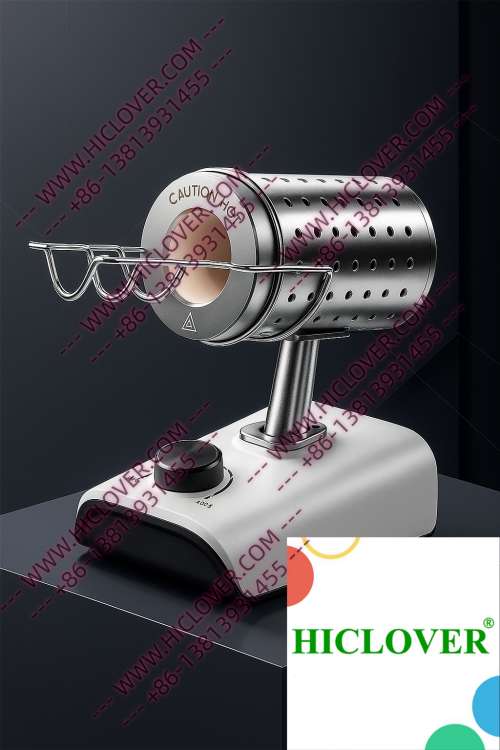
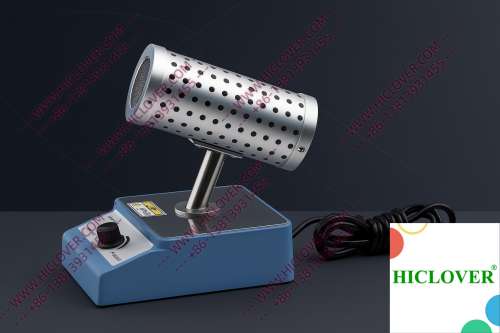
At the core of the Micro Incinerator’s functionality lies the principle of infrared heat generation. Unlike traditional flame sterilizers, which expose instruments to open flames, micro incinerators utilize a ceramic heating chamber that produces high-temperature infrared radiation. This enclosed configuration substantially minimizes the risk of aerosol generation and provides a clean-bench-safe environment essential for effective contamination control.
The Micro Incinerator operates by rapidly heating the inoculating loop or any tools inserted into its ceramic tube. This swift thermal sterilization not only ensures complete disinfection but also allows for easy maneuverability, especially in tight laboratory spaces.
Applications in Real Labs
- Biosafety Cabinets: In BSL-2 and BSL-3 microbiological labs, the use of micro incinerators enhances the efficiency of sterilization processes. These labs handle pathogenic microorganisms that require stringent biosafety protocols, making the ability to sterilize without an open flame crucial.
- University Teaching Labs: Educational institutions benefit from the integration of micro incinerators in teaching labs. Students can learn the principles of sterilization while ensuring their safety and the integrity of the lab environment remains intact.
- Field Testing Labs: In mobile testing scenarios (e.g., environmental microbiology projects), micro incinerators provide a portable and efficient means of sterilization, allowing field researchers to maintain biosafety protocols effectively.
- What is a Micro Incinerator, and how does it work? A Micro Incinerator is a laboratory sterilization device that employs infrared heat to rapidly sterilize instruments without an open flame, utilizing a ceramic heating chamber for maximum efficiency.
- Can the Micro Incinerator be used in BSL-2 and BSL-3 labs? Yes, it is designed to meet stringent biosafety requirements, making it suitable for use in these high-containment laboratory settings.
- What are the advantages of using a Micro Incinerator over a Bunsen burner? Micro Incinerators offer better safety due to reduced contamination risk, increased efficiency with rapid sterilization, and a cleaner operational environment without open flames.
- Is the Micro Incinerator portable? Yes, due to its compact design, the Micro Incinerator is highly portable, making it ideal for field testing and mobile laboratory settings.
- How does using a Micro Incinerator impact laboratory protocols? By improving sterilization times and enhancing safety protocols, Micro Incinerators allow labs to maintain higher standards of cleanliness and operational efficiency.
Compliance with Sterilization Standards
To adhere to stringent international biosafety regulations, including those set forth by the World Health Organization (WHO), laboratories must implement effective sterilization practices. The Micro Incinerator is compliant with WHO biosafety standards, drastically reducing the risks associated with handling biological materials.
Furthermore, traditional flame sterilizers are often unsuitable for use in clean rooms because of the potential for contamination from soot and smoke. In contrast, micro incinerators are designed for clean-bench-safe operations, preventing the release of harmful aerosols while maintaining sterile conditions.
| Feature | Micro Incinerator | Flame Burners |
|---|---|---|
| Operation | Infrared heating | Open flame |
| Safety | Low risk of contamination/aerosol | High risk of fire hazards |
| Efficiency | Rapid sterilization | Time-consuming |
| Portability | Compact design | Bulky and difficult to transport |
| Environmental Impact | Low emissions | Source of smoke and fumes |
Benefits Over Traditional Methods
The advantages of the Micro Incinerator over traditional methodologies are multifold. Its rapid thermal sterilization capability translates into significant time savings and improved laboratory workflow. Furthermore, with aerosol-free handling, it ensures that laboratory personnel are safer from potential exposure to harmful contaminants.
Furthermore, micro incinerators fulfill critical environmental compliance requirements that are often overlooked by traditional sterilization tools. Their lower emissions and reduced risk of contamination make them a suitable choice for modern laboratories that prioritize both safety and sustainability.
FAQs
Conclusion
As Malaysian laboratories continue to evolve and grapple with biosafety challenges, the Micro Incinerator / Infrared Inoculating Loop Sterilizer stands out as a vital tool in modern sterilization practices. With its rapid thermal sterilization, compliance with international standards, and advantages over traditional flame sterilizers, it is an indispensable asset for laboratories focusing on safety, efficiency, and environmental consciousness.
For those interested in elevating their laboratory’s sterilization capabilities, we invite you to explore our range of Micro Incinerators tailored to meet your specific needs. Contact us today for a consultation or to request a quote!
Categories:
Tags: