
In today’s fast-paced laboratory environments, biosafety challenges are at the forefront of operational considerations. Traditional sterilization methods often present a multitude of problems, from the inefficiencies of flame-based devices like alcohol lamps and Bunsen burners to issues with contamination control. As the demand for rapid sterilization workflow escalates, the introduction of advanced sterilization equipment, such as the Micro Incinerator or Infrared Inoculating Loop Sterilizer, marks a significant evolution in laboratory safety protocols.
Understanding the Technology Behind Micro Incinerators
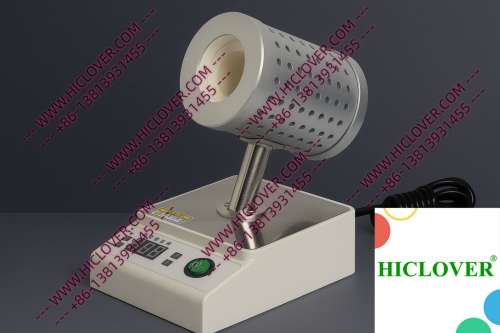
The Micro Incinerator operates on the principle of rapid thermal sterilization utilizing infrared heat within an enclosed ceramic tube. This innovative technology eliminates the challenges associated with traditional flame sterilizers. Unlike flame-based methods that can compromise cleanroom standards, the enclosed design ensures a controlled environment, mitigating the risk of aerosol generation and flashbacks. The infrared heating element reaches high temperatures almost instantaneously, allowing for effective sterilization without the introduction of harmful particles into the lab atmosphere.
Key Features of Micro Incinerators
- Rapid Sterilization: Can reach sterilization temperatures (up to 850°C) in seconds.
- Safety-First Design: Eliminates open flames, reducing fire hazards in sensitive environments.
- Efficient Contamination Control: Aids in maintaining a sterile workspace, crucial for BSL-2 and BSL-3 microbiology labs.
- Low Environmental Impact: Reduces fuel consumption and decreases greenhouse gas emissions compared to traditional methods.
- User-Friendly Operation: Designed for straightforward use, ideal for both expert and novice laboratory staff.
- What is a Micro Incinerator, and how does it work?
A Micro Incinerator is a sterilization device that uses infrared heat to effectively sterilize inoculating loops and laboratory instruments without flames, ensuring rapid thermal sterilization. - Can a Micro Incinerator be used in cleanrooms?
Yes, its design minimizes aerosol generation, making it suitable for cleanroom environments where contamination control is critical. - How does it compare to traditional sterilizers?
Micro Incinerators are safer, more efficient, and environmentally friendly, providing consistent results without the risks associated with open flames. - Is it suitable for field testing laboratories?
Absolutely! Its portable design and rapid sterilization capabilities make it an excellent fit for fieldwork. - What are the maintenance requirements for a Micro Incinerator?
Minimal maintenance is required; regular cleaning of the ceramic tube and ensuring the device is free of obstructions are recommended to maintain optimal performance.
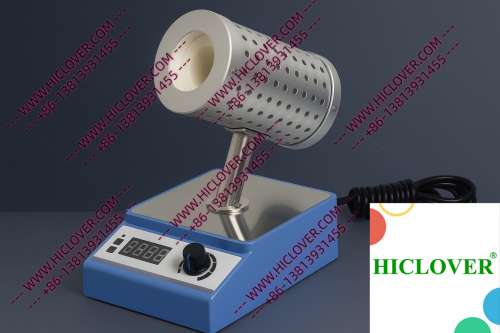
Application Scenarios of Micro Incinerators
Micro Incinerators are a versatile addition to many laboratory settings. Below, we explore two distinct applications that illustrate their effectiveness and practicality.
1. Biosafety Cabinet Sterilization
In laboratories where strict contamination control is needed, such as those handling pathogenic microorganisms, the Micro Incinerator can be effectively integrated into biosafety cabinets (BSCs). In this setting, users can utilize the device to sterilize inoculating loops and other tools without disrupting the controlled airflow of the BSC, ensuring a sterile working environment. This application not only preserves the safety of laboratory personnel but also ensures reliable results in laboratory tests.
2. Teaching Laboratories
In educational institutions, particularly university teaching labs, Micro Incinerators serve as a safe alternative for students learning about microbiological techniques. Instructors can demonstrate appropriate sterilization methods without the risks associated with open flames. The rapid sterilization capability allows students to follow strict protocols, reinforcing safety measures and operational efficiency in scientific practices.
Compliance with Biosafety Standards
Compliance with established biosafety standards is paramount in laboratory settings. The World Health Organization (WHO) outlines strict guidelines for laboratory sterilization, emphasizing the importance of preventing contamination during microbiological procedures. Traditional flame sterilizers often fall short in these environments due to the risk of aerosol contamination and insufficient temperature control.
Moreover, regulations around flame use in clean rooms prohibit open flames that can compromise the sterile atmosphere. In contrast, the Micro Incinerator meets and exceeds laboratory sterilization standards, making it ideal for cleanroom operations and other sensitive environments.
Comparison: Micro Incinerator vs. Traditional Flame Sterilizers
| Feature | Micro Incinerator | Flame Sterilizers |
|---|---|---|
| Temperature Control | Consistent and adjustable | Varies with fuel and airflow |
| Safety | No open flames | Open flames can ignite flammable materials |
| Environmental Impact | Low emissions | Higher carbon footprint |
| Ease of Use | User-friendly, portable | Requires skill and experience |
Frequently Asked Questions
Conclusion
Micro Incinerators represent a revolutionary step forward in laboratory sterilization, offering a safe, efficient, and environmentally friendly alternative to traditional flame-based methods. As research labs, universities, and health institutions worldwide continue to face escalating challenges in contamination control and biosafety compliance, transitioning to reliable sterilization equipment like the Micro Incinerator is not just beneficial, it’s essential. Reach out today to learn more about incorporating this vital technology into your laboratory workflows.
Categories:
Tags: