
Laboratories serve as the backbone of scientific research and diagnostics, pushing the boundaries of what we know about health, safety, and the environment. However, with great responsibility comes significant challenges, particularly when it comes to biosafety and contamination control. Among these challenges is the necessity of effective sterilization, which must adhere to stringent compliance standards. One of the leading solutions employed in laboratories is the Micro Incinerator, also known as the Infrared Inoculating Loop Sterilizer. This article delves into the importance of regular maintenance for these sterilizers, exploring their technical aspects, applications in real-world scenarios, compliance requirements, and more.
Understanding Sterilization Equipment: The Micro Incinerator
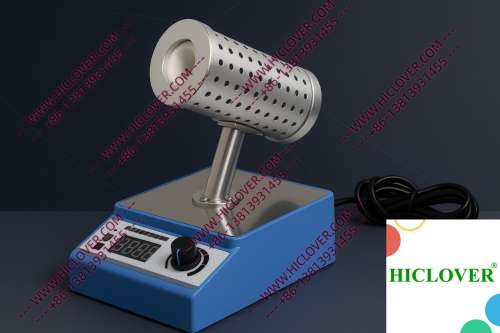
The Micro Incinerator operates on the principle of rapid thermal sterilization. Unlike traditional flame sterilizers such as alcohol lamps and Bunsen burners, this advanced device utilizes infrared heat technology, providing a clean, enclosed ceramic heating chamber. This design promotes high-temperature disinfection while minimizing the release of potentially hazardous aerosols. As such, it is especially suited for sensitive environments like BSL-2 and BSL-3 microbiology labs.
- Rapid Thermal Sterilization: Efficiently eliminates pathogens.
- Clean-Bench-Safe: Reduces contamination risks compared to open flames.
- Enclosed Design: Prevents aerosol generation, ensuring laboratory safety.
Real-World Applications
1. Biosafety Cabinet Operations
A biosafety cabinet is vital equipment found in many laboratories, particularly those working with hazardous microorganisms. The Micro Incinerator can be integrated effectively into these setups. For instance, when conducting microbiological safety tests, researchers can sterilize inoculating loops without exposing the sterile environment to open flames, thereby maintaining compliance with lab safety standards.
2. Teaching Laboratories
In university teaching labs, where students learn aseptic techniques, the Micro Incinerator provides a safe and rapid method for loop sterilization. Using infrared technology, students benefit from the quick turnaround between experiments and minimal contamination risks. Regular maintenance of these devices is essential to prevent any equipment failure that could compromise educational safety during practical sessions.
Maintaining Compliance with Sterilization Standards
Compliance with guidelines set forth by organizations such as the World Health Organization (WHO) is critical in ensuring laboratory safety and efficiency. Many countries have specific laboratory sterilization standards that govern the use of sterilizers:
- WHO Biosafety Guidelines: These emphasize controlling biohazard risks in labs.
- ISO 13485: A standard for quality management systems concerning the manufacturing of medical devices.
- Local Regulations: Varies regionally, but these often require non-flame sterilization methods in clean rooms.
A major advantage of the Micro Incinerator over traditional flame-based sterilizers lies in its compliance capability. The absence of flames means these devices can be safely operated within controlled environments, which is crucial for clean room operations where contamination needs to be rigorously managed.
Enhancing Workflow and Safety with Regular Maintenance
The importance of regular maintenance cannot be overstated. Just like any other laboratory equipment, the Micro Incinerator requires routine checks to ensure its optimal functioning. Here are several key maintenance practices:
- Regular Inspections: Check the ceramic heating chamber and infrared components for any wear and tear.
- Calibration: Ensure that the device maintains accurate temperature levels for effective sterilization.
- Cleaning: Keep the surfaces free from biological residues and debris that could compromise sterilization.
Establishing a routine maintenance schedule not only extends the life of the sterilizer but also enhances laboratory safety by ensuring reliable operation. A fully functional Micro Incinerator remains an integral component in protecting lab personnel and maintaining sterility.
Micro Incinerator vs. Traditional Flame Sterilizers
| Feature | Micro Incinerator | Traditional Flame Sterilizer |
|---|---|---|
| Safety | Non-flame, aerosol-free | Open flame, higher contamination risk |
| Speed | Rapid sterilization | Slower, requires time to ignite |
| Precision | Temperature controlled | Less control, more variability |
| Compliance | Meets WHO standards, ideal for clean rooms | Not compliant in many sterile environments |
FAQs About Micro Incinerator Maintenance
What is a Micro Incinerator used for?
A Micro Incinerator is used for rapid thermal sterilization of inoculating loops and other small instruments, effectively eliminating pathogens while ensuring a sterile environment.
How often should I maintain my Micro Incinerator?
Regular maintenance should ideally be conducted every six months, or as recommended by the manufacturer, to ensure optimal performance and compliance.
Is the Micro Incinerator suitable for use in field testing labs?
Yes, the compact and efficient design of the Micro Incinerator makes it suitable for mobile applications, providing safe sterilization in various environments.
What are the benefits of using infrared sterilization over traditional methods?
Infrared sterilization eliminates the need for open flames, reducing contamination risks, providing rapid cycling time, and ensuring greater precision and compliance.
Can the Micro Incinerator be used in BSL-3 labs?
Absolutely! The Micro Incinerator is ideal for use in BSL-3 labs due to its non-flame operation and ability to maintain compliance with stringent biosafety standards.
Conclusion
Regular maintenance of your Micro Incinerator is not merely about compliance; it is about ensuring safety, efficiency, and reliability in your laboratory operations. By utilizing this advanced sterilization technology over traditional flame-based methods, you enhance workflow efficiency while actively managing contamination risks. If you are interested in integrating a Micro Incinerator into your lab or seeking more information on maintenance schedules, please contact us to discover how we can assist you further in maintaining a safe laboratory environment.
Categories:
Tags: