
In the increasingly sterile environment of modern dentistry, achieving optimal hygiene is not just a necessity but a cornerstone of safe practice. Dental laboratories face continuous biosafety challenges, making the need for effective sterilization equipment paramount. An essential component that has gained traction in recent years is the Micro Incinerator or Infrared Inoculating Loop Sterilizer, which offers a reliable and efficient solution for laboratory sterilization needs.
Laboratory Sterilization Challenges
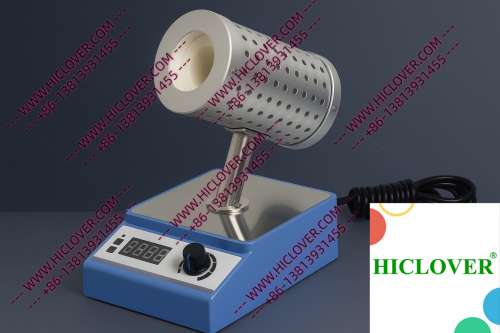
Laboratories, especially those operating within the realm of dentistry, encounter various challenges in maintaining hygiene and preventing contamination. Sterilization workflows often demand rapid processing times, effectiveness against a broad spectrum of pathogens, and adherence to strict regulatory requirements. Traditional flame sterilizers such as alcohol lamps and Bunsen burners can pose risks of not only contamination but also fire hazards and aerosol generation, which can compromise the integrity of a clean area.
Technical Principles of the Micro Incinerator
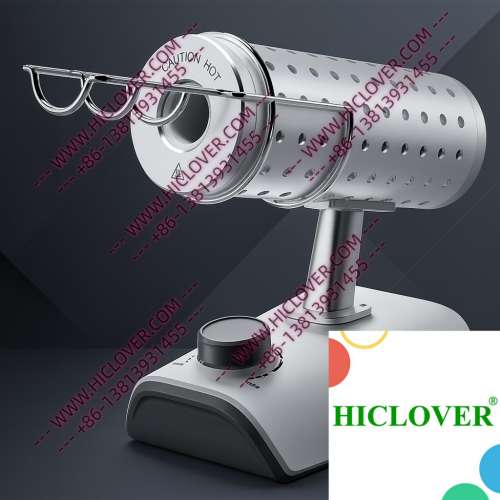
The Micro Incinerator / Infrared Inoculating Loop Sterilizer operates on the principle of rapid thermal sterilization using infrared heat. Rather than an open flame, this unit employs an enclosed ceramic heating chamber that rapidly reaches high temperatures, ensuring effective disinfection in a controlled manner. This technology offers several advantages:
- Quick Heating: The device typically heats up in less than a minute, allowing for immediate application.
- Aerosol-Free Handling: The design minimizes the creation of aerosols, addressing safety concerns in clean environments.
- Energy Efficiency: It consumes less energy compared to traditional flame-based methods.
- No open flames in clean rooms to avoid contamination and potential fires.
- Compliance with local and international laboratory safety protocols, particularly for BSL-2 and BSL-3 environments.
- What is a Micro Incinerator?
A Micro Incinerator is an infrared sterilization device designed to quickly and effectively sterilize inoculating loops and other laboratory tools without the use of an open flame. - How does it differ from a Bunsen burner?
Unlike Bunsen burners, which rely on an open flame, Micro Incinerators utilize infrared technology, providing a safer and more controlled sterilization method. - Are there any specific biosafety regulations to consider?
Yes, laboratories must adhere to local and international biosafety standards that discourage the use of open flames in clean environments to prevent contamination. - Where can I use the Micro Incinerator?
This device is suitable for use in various settings including biosafety cabinets, university teaching labs, and mobile field testing laboratories. - What are the operational costs of a Micro Incinerator?
Operational costs are minimal due to the energy-efficient design, and the durability of the Micro Incinerator reduces the need for frequent replacements.
Applications of the Micro Incinerator
Micro Incinerators are versatile and can be utilized in a variety of laboratory settings:
1. Laboratory Biosafety Cabinets
In BSL-2 and BSL-3 microbiology labs, precision and cleanliness are paramount. The Micro Incinerator’s compact design allows for convenient placement within biosafety cabinets, ensuring easy access while maintaining a clean and controlled environment. With rapid thermal sterilization, lab personnel can quickly and efficiently decontaminate tools, reducing the risk of cross-contamination.
2. Teaching Laboratories
In university settings, especially within microbiology and dental hygiene programs, the need for safer alternatives to traditional flame sterilizers is clear. The Micro Incinerator is an excellent educational tool, demonstrating effective sterilization techniques without the associated hazards of open flames. Students can learn valuable sterilization skills while prioritizing safety.
Compliance and Regulatory Standards
Adhering to biosafety and lab sterilization standards is crucial in maintaining a safe laboratory environment. According to guidelines by the World Health Organization (WHO), laboratories are required to employ sterilization methods that prevent contamination and ensure safety. Key considerations include:
These requirements underscore the necessity of using devices like the Micro Incinerator, as they meet rigorous standards while enhancing operational efficiency.
Advantages Over Traditional Flame Sterilizers
When comparing the Micro Incinerator to traditional flame sterilizers, several distinct advantages emerge:
| Feature | Micro Incinerator | Flame Sterilizer |
|---|---|---|
| Heating Method | Infrared heat | Open flame |
| Speed | Quick, <1 minute | Variable, dependent on user skill |
| Safety | Aerosol-free, no open flame | Higher risk of contamination and fire |
| Energy Efficiency | Low energy consumption | Higher energy usage |
This comparison illustrates why more laboratories are transitioning towards Micro Incinerators for reliable sterilization needs.
Addressing Common Questions
FAQs
Conclusion
In the realm of modern dentistry and laboratory safety, the Micro Incinerator / Infrared Inoculating Loop Sterilizer stands out as a critical tool for ensuring optimal hygiene and effective sterilization protocols. Its innovative design, adherence to safety regulations, and superior performance over traditional flame sterilizers position it as an indispensable asset for laboratories seeking to enhance their sterilization workflows. If you’re interested in finding out more or making a purchase, don’t hesitate to contact us for further information about this essential piece of equipment.
Categories:
Tags: