
In the realm of veterinary microbiology, biosafety and contamination control are paramount. Laboratories face constant challenges in ensuring that all equipment and samples are free from microbial contamination. As the demand for reliable sterilization solutions increases, modern vet labs are increasingly turning to innovative technologies like the Micro Incinerator or Infrared Inoculating Loop Sterilizer. This article delves into these advanced sterilization devices, their operational principles, applications, compliance needs, and their significance in enhancing laboratory workflows.
The Need for Effective Laboratory Sterilization
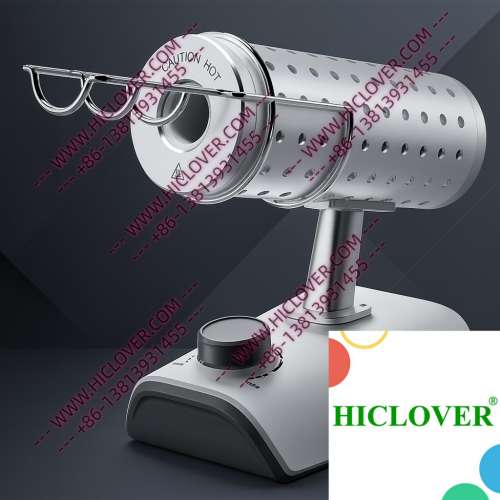
Every laboratory has a unique set of challenges that demand efficient sterilization processes. Traditional methods using alcohol lamps or Bunsen burners can be hazardous, producing flames that pose risks in clean room environments. Furthermore, the generation of aerosols during the sterilization process can compromise the sterility of nearby samples. Thus, there is an urgent need for rapid thermal sterilization technologies that meet contemporary biosafety and workflow requirements.
Technical Principles of Infrared Sterilization
The Micro Incinerator employs infrared heat technology to achieve high-temperature disinfection in a safe and enclosed ceramic tube. This method is not only quicker than traditional flame sterilizers, but it also minimizes the risk of contamination through aerosol-free handling. The ceramic heating chamber is designed to reach temperatures high enough to ensure effective sterilization of inoculation loops, needles, and other laboratory instruments in a matter of seconds.
Advantages Over Traditional Flame Sterilizers
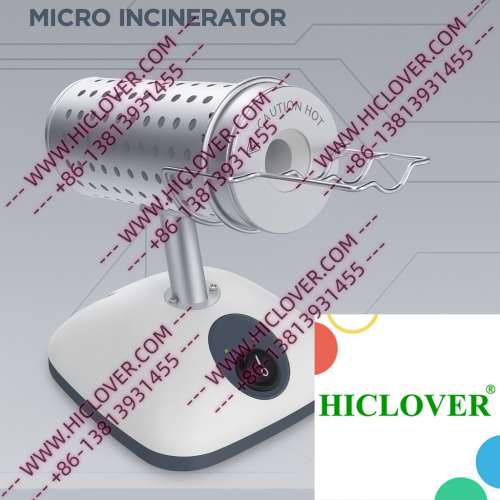
Infrared sterilizers are compact, easy to operate, and provide a consistent and controlled heat source, mitigating the risks associated with open flames.
| Feature | Micro Incinerator | Flame Sterilizer |
|---|---|---|
| Temperature Control | High precision | Variable |
| Risk of Contamination | Minimal | High due to aerosols |
| Fuel Type | Electric | Gas or Alcohol |
| Ease of Use | Simple control panel | Requires handling of open flame |
Real-World Laboratory Applications
Micro Incinerators are equipped to thrive in diverse laboratory environments. Here are two specific application scenarios:
1. University Teaching Labs
In veterinary university teaching labs, students must learn sterilization techniques that maximize safety and efficiency. The Micro Incinerator allows for effective training in a controlled environment free of flame hazards, enabling students to focus on technique without the fear of accidental fire.
2. BSL-2 or BSL-3 Microbiology Labs
In higher containment settings, such as BSL-2 and BSL-3 labs, maintaining a sterile environment is critical. The Micro Incinerator supports precise sterilization while preventing the spread of potential pathogens, complying with WHO biosafety standards and lab sterilization regulations, which mandate no open flames within clean rooms.
Compliance and Environmental Considerations
Adhering to biosafety compliance is fundamental in any laboratory setting. The use of flame sterilizers in clean rooms can lead to safety hazards, contradicting essential guidelines set forth by the World Health Organization and various national standards. Labs are often required to maintain a flame-free environment, reducing risks associated with ignition and contamination.
- WHO Biosafety Guidelines: Follow protocols for laboratory safety measures.
- Environmental Controls: Minimize the release of contaminants into the environment.
- Sterilization Standards: Ensure compliance with national and international sterilization methods.
FAQs About Micro Incinerators
What is the main advantage of a Micro Incinerator over traditional sterilizers?
The Micro Incinerator offers consistent, precise heat without producing harmful aerosols, thus ensuring a superior level of sterility and safety.
Can the Micro Incinerator be used in field testing labs?
Yes, its portable design and electric operation make it suitable for use in various field settings, enabling effective sterilization on-site.
Is the Micro Incinerator compliant with all safety regulations?
When used per manufacturer guidelines, it adheres to WHO biosafety standards and other relevant sterilization regulations.
How quickly can a Micro Incinerator sterilize inoculating loops?
It can sterilize inoculating loops in a matter of seconds, significantly speeding up laboratory processes.
Are there specific maintenance tips for the Micro Incinerator?
Regular cleaning of the ceramic heating chamber will ensure longevity and optimal performance, alongside routine checks of the electrical components for safety.
Conclusion
As laboratory challenges become increasingly complex, the need for modern sterilization solutions like the Micro Incinerator becomes critical in veterinary microbiological practices. Its advantages over traditional methods, combined with strict compliance to biosafety standards, make it an indispensable tool for labs focused on contamination control and efficient workflows. Reach out to us today to learn more about how the Micro Incinerator can enhance your laboratory’s capabilities.
Categories:
Tags: