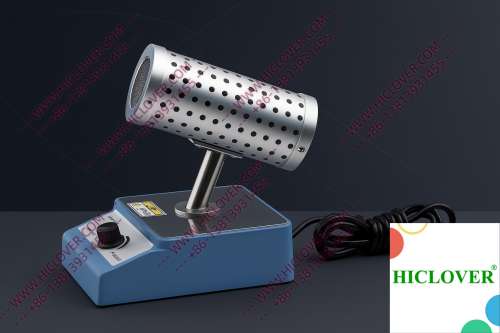
In today’s clinical and research environments, laboratory biosafety is paramount. Facilities in Alexandria, particularly hospitals and educational institutions, grapple with the need to adhere to stringent sterilization protocols while managing cost-effective solutions. One crucial component of this is the mechanism used for sterilization, notably the Micro Incinerator/Infrared Inoculating Loop Sterilizer. These modern instruments are vastly improving laboratory workflow efficiencies and minimizing the hazards associated with traditional flame sterilizers such as alcohol lamps and Bunsen burners.
Understanding Infrared Technology in Sterilization
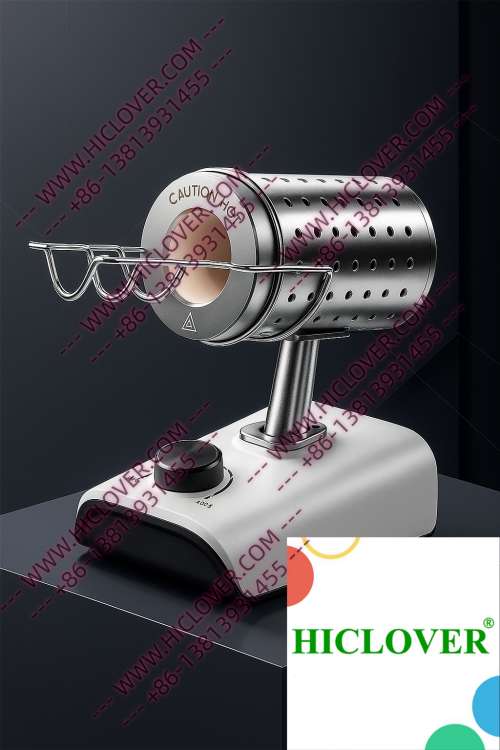
The infrared inoculating loop sterilizer operates on a unique principle that harnesses rapid thermal sterilization. By utilizing high temperatures generated within a ceramic heating chamber, this device effectively achieves a sterilization process that is both clean and efficient. The loop sterilizer’s enclosed design prevents the emission of hazardous aerosols, thereby enhancing the safety of laboratory personnel and the sterile environment.
Technical Specifications
- Heating Mechanism: Infrared radiation ensures quick heating of the inoculating loops.
- Temperature Control: Consistent high-temperature disinfection can be achieved without the risk of open flames.
- Enclosed Design: The ceramic tube prevents contamination of samples and reduces the risk of inhalation of harmful pathogens.
- Biosafety Cabinets: In BSL-2 and BSL-3 microbiology labs, where the handling of pathogens requires elevated safety measures, the infrared sterilizer is ideal. It delivers efficient sterilization without introducing flames, thus maintaining a clean-bench-safe environment.
- Teaching Laboratories: In educational institutions where microbiology is an essential part of curricula, these sterilizers are invaluable. They provide students with a safe and effective means of sterilizing loops during laboratory exercises, instilling good laboratory practices early on.
- Mobile Testing Labs: For field testing scenarios, the portability and efficiency of the Micro Incinerator ensure that contamination control is maintained even outside traditional lab settings.
- No flames or exposed heat sources in clean environments
- Reduced aerosol generation during the sterilization process
- Alignment with national and international laboratory safety regulations
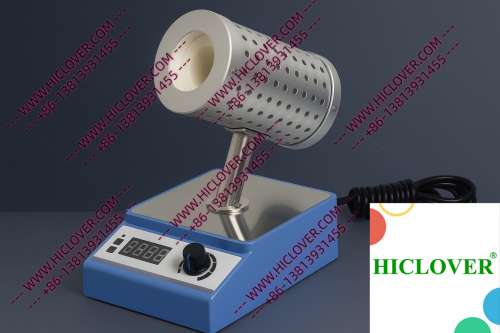
This configuration makes them not only a more effective option but also complies with WHO biosafety standards and laboratory sterilization requirements.
Application Scenarios in Alexandria’s Labs
The Micro Incinerator is versatile and can be utilized across various laboratory settings:
Compliance and Environmental Considerations
Adherence to biosafety guidelines is critical for laboratories. The World Health Organization (WHO) has established stringent biosafety standards emphasizing the necessity for effective sterilization methods. Flame sterilizers can pose significant risks in clean rooms due to their open flames, while the infrared sterilizer offers a safer alternative. Highlights of compliance include:
The financial impact of adopting a Micro Incinerator over traditional sterilizing methods can be significant for hospitals. Investing in safer and more effective technologies can lead to reduced operational costs related to contamination incidents and improve overall patient care quality.
Comparison of Types of Sterilization Methods
| Feature | Micro Incinerator | Flame Sterilizer |
|---|---|---|
| Heat Source | Infrared Ceramic Chamber | Open Flame |
| Safety | High | Moderate |
| Heating Time | Rapid | Variable |
| Aerosol Production | None | High Risk |
| Clean Room Compliance | Yes | No |
Frequently Asked Questions
What are the main advantages of using a Micro Incinerator in laboratories?
The Micro Incinerator offers rapid thermal sterilization without the dangers associated with open flames, significantly reducing the risk of contamination and ensuring safety across laboratory environments.
How does the infrared sterilization process work?
Infrared sterilization utilizes high heat generated within a ceramic tube to achieve rapid and efficient sterilization, effectively eliminating bacterial and viral pathogens.
Can the Micro Incinerator be used in BSL-3 labs?
Yes, the Micro Incinerator is a suitable sterilization method for BSL-3 laboratories where strict biosafety protocols must be followed.
Is it easy to operate the Micro Incinerator?
Yes, these devices are designed for user-friendly operation, allowing laboratory staff to quickly and efficiently sterilize inoculating loops with minimal training.
Conclusion
In summary, the investment in a Micro Incinerator/Infrared Inoculating Loop Sterilizer can profoundly impact the efficiency and safety of sterilization practices in Alexandria’s hospitals and laboratories. By providing a cleaner, safer, and more effective sterilization method, facilities can improve their operational workflows while meeting compliance standards and reducing financial risks associated with infection control. For more information or to make a purchase, please reach out to your trusted laboratory supply distributor today.
Categories:
Tags: