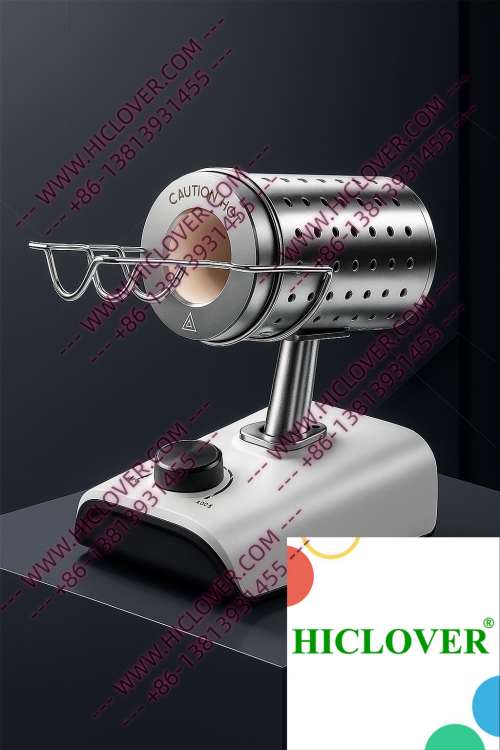
In the realm of laboratory biosafety, the efficient sterilization of equipment and samples is paramount. With the rising challenges regarding contamination control and stringent sterilization workflow demands, healthcare facilities in Johannesburg are seeking advanced solutions tailored to reduce microbial risks. Among these, the Micro Incinerator, or Infrared Inoculating Loop Sterilizer, is gaining recognition for its unique features and effectiveness in laboratory sterilization.
Understanding the Design and Functionality of Micro Incinerators
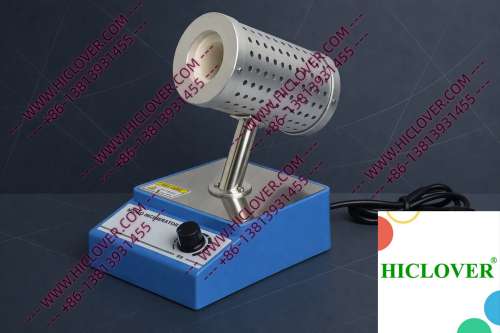
The Micro Incinerator operates on the principle of rapid thermal sterilization using infrared heat. Unlike traditional flame sterilizers such as Bunsen burners or alcohol lamps, this innovative device employs a closed ceramic heating chamber that efficiently maintains high temperatures. This results in an enclosed environment that provides consistent and reliable sterilization, minimizing risks associated with open flames.
Equipped with an infrared heating element, the Micro Incinerator allows for aerosol-free handling of inoculating loops and other small laboratory implements. This design not only enhances safety but also provides a cleaner work environment, particularly in sterile zones such as biosafety cabinets and clean rooms.
Application Scenarios for Micro Incinerators
Micro Incinerators have versatile applications across numerous laboratory environments:
- Biosafety Cabinets: In BSL-2 and BSL-3 microbiology laboratories, Micro Incinerators can be integrated into biosafety cabinets. They provide an efficient means of sterilization while maintaining a controlled environment, essential for handling pathogenic microorganisms.
- University Teaching Labs: Educational institutions benefit from these devices in teaching labs where rapid and safe sterilization is crucial for students performing microbiological experiments. Instructors can confidently demonstrate protocols without the risks associated with flames.
- Field Testing Labs: Micro Incinerators are also ideal for mobile labs tasked with on-site testing. Their compact design and effectiveness enable technicians to sanitize their tools in various environments, from remote fields to urban settings.
Compliance and Environmental Considerations
Compliance with global biosafety standards is essential for laboratory operations. The World Health Organization (WHO) has established guidelines for laboratory safety and sterilization, emphasizing the necessity of equipment that reduces contamination risks. Utilizing Micro Incinerators in compliance with these guidelines not only enhances safety but also aligns with lab sterilization standards, notably in non-flame environments.
In clean rooms, where open flames are prohibited, the enclosed heating mechanism of Micro Incinerators ensures that laboratories meet stringent safety regulations. This contributes to a safer workspace, particularly when handling sensitive biological materials or conducting research that requires high levels of cleanliness.
Cost Breakdown of Micro Incinerators in Johannesburg
When considering the procurement of Micro Incinerators, understanding the cost breakdown is essential. Factors influencing pricing in Johannesburg include:
- Manufacturing quality and technology employed.
- Brand reputation and market demand.
- Distribution and logistic costs specific to the region.
- Servicing and maintenance agreements offered by suppliers.
On average, the price for a Micro Incinerator can range significantly depending on these variables. However, investing in this technology can lead to substantial long-term savings by minimizing the risk of contamination and maintaining compliance with health standards.
Advantages Over Traditional Flame Sterilizers
Micro Incinerators present numerous advantages over traditional flame sterilizers, including:
- Safety: Elimination of open flames reduces the risk of workplace accidents.
- Efficiency: Infrared heat provides rapid sterilization, with minimal wait times.
- Clean Environment: The design supports contamination control, critical in sensitive laboratories.
Comparison of Micro Incinerator vs. Flame Burners
| Feature | Micro Incinerator | Flame Burner |
|---|---|---|
| Safety | No open flame risk | Open flame hazards |
| Speed | Immediate sterilization | Variable heating times |
| Clean Environment | Aerosol-free process | Potential for contamination |
| Maintenance | Low maintenance | Regular cleaning and monitoring required |
FAQs About Micro Incinerators
What is the average cost of a Micro Incinerator in Johannesburg?
The average cost can vary, often ranging from R5,000 to R20,000, depending on the brand and features.
How does a Micro Incinerator ensure safe sterilization?
It employs infrared heating technology within an enclosed design to prevent contamination and reduce aerosol generation.
Can a Micro Incinerator be used in a BSL-3 laboratory?
Yes, Micro Incinerators are suitable for BSL-2 and BSL-3 labs, adhering to their stringent sterilization requirements.
Are Micro Incinerators eco-friendly?
Yes, their efficient design minimizes environmental impact compared to traditional flame-based sterilization methods.
What maintenance does a Micro Incinerator require?
Maintenance is minimal, mainly involving regular checks on the heating element and occasional cleaning of the ceramic chamber.
Conclusion
As Johannesburg continues to advance in laboratory practices, investing in a Micro Incinerator represents a progressive step toward improved biosafety and efficiency. By adopting this technology, laboratories can not only ensure compliance with international standards but also enhance their workflow capabilities. For further inquiries or to explore procurement options, please do not hesitate to contact us today!
Categories:
Tags: