
Barcelona’s medical laboratories face an ever-increasing pressure to enhance biosafety measures, particularly in light of recent global health challenges. The necessity for effective sterilization procedures has pushed labs to refine their sterilization workflows, ensuring they meet rigorous contamination control standards. Among the latest advancements in lab hygiene are Micro Incinerator / Infrared Inoculating Loop Sterilizers, which have emerged as highly efficient replacements for traditional flame sterilizers, such as alcohol lamps and Bunsen burners.
Understanding the Technical Principle Behind Infrared Loop Sterilizers
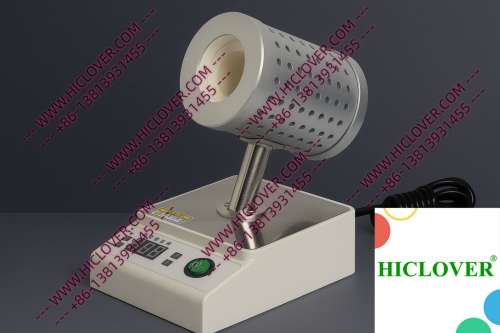
The Micro Incinerator operates on the principle of rapid thermal sterilization achieved through infrared heat. At the core of this device is an enclosed ceramic heating chamber that rapidly reaches temperatures sufficient to ensure safe and complete disinfection of inoculating loops and tools. Unlike flame-based sterilizers, which produce an open flame that may pose fire hazards and generate aerosols, the Micro Incinerator eradicates these risks by employing high-temperature infrared technology in a controlled environment.
Key Configuration Features
- Enclosed Design: Protects users from potential burns and eliminates open flames.
- Rapid Heating: Achieves sterilization temperatures in seconds, enhancing efficiency.
- Aerosol Control: Prevents contamination that can occur with traditional flame methods.
- Compact Footprint: Fits easily within biosafety cabinets and limited workspaces.
- WHO biosafety guidelines for laboratory safety
- EPA regulations concerning lab sterilization processes
- ISO standards for laboratory equipment
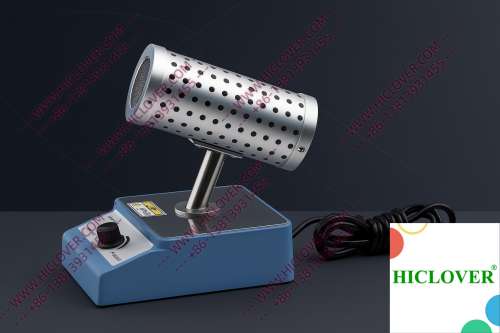
Application Scenarios in Real Labs
The versatility of the Micro Incinerator presents multiple application scenarios across different laboratory settings:
1. Biosafety Cabinets
In BSL-2 and BSL-3 microbiology labs, maintaining a sterile environment is crucial for handling pathogenic organisms. The Micro Incinerator can safely sterilize inoculating loops without the risk of aerosol generation. Its compact design allows it to be integrated seamlessly into biosafety cabinets, further promoting safe laboratory practices.
2. University Teaching Labs
In academic settings, where students perform hands-on experiments, using flame sterilizers poses significant risks. Micro Incinerators provide a clean-bench-safe option for sterilization, allowing instructors to focus on teaching rather than managing fire hazards. The rapid heating capability also allows students to transition between experiments quickly, enhancing the overall learning experience.
Compliance and Environmental Considerations
Compliance with international biosafety standards, such as those endorsed by the WHO and various local regulatory bodies, is essential for laboratories. The Micro Incinerator supports compliance with:
Importantly, this device allows laboratories to operate without open flames, essential in cleanroom environments where the presence of flammable materials can lead to potentially catastrophic events. The ability to control sterilization without igniting combustible elements also aligns with contemporary green practices, as it minimizes byproducts associated with traditional flame sterilizers.
Micro Incinerator vs. Traditional Flame Burners
| Feature | Micro Incinerator | Traditional Flame Burners |
|---|---|---|
| Heating Principle | Infrared Heat | Open Flame |
| Safety | Low Risk of Burns/Aerosols | High Risk of Burns/Aerosols |
| Efficiency | Rapid Heating | Slower Heating |
| Space Requirements | Compact | Less Space Efficient |
FAQs About the Micro Incinerator
What is a Micro Incinerator and how does it work?
A Micro Incinerator is an infrared inoculating loop sterilizer that employs ceramic heating technology to achieve rapid sterilization without the hazards associated with open flames.
Can I use the Micro Incinerator inside a biosafety cabinet?
Absolutely! Its compact design and low-risk operation make it ideal for integration within biosafety cabinets, ensuring a sterile workspace.
Why is it important to eliminate flames from lab sterilization processes?
Eliminating flames reduces the risk of burns, minimizes aerosol production, and enhances overall laboratory safety, particularly in environments handling biohazardous materials.
Do Micro Incinerators comply with biosafety regulations?
Yes, they meet stringent WHO guidelines and several local biosafety standards for laboratory equipment, ensuring a high level of safety and efficiency.
How quickly does a Micro Incinerator reach sterilization temperature?
The Micro Incinerator can heat up in mere seconds, allowing for rapid sterilization between uses.
Conclusion: Elevating Lab Standards in Barcelona
As Barcelona’s healthcare sector increasingly embraces cutting-edge technology, the Micro Incinerator / Infrared Inoculating Loop Sterilizer stands at the forefront of laboratory safety and efficiency. By transitioning to this advanced sterilization solution, hospitals and laboratories can significantly enhance their hygiene practices, ensuring compliance with global biosafety standards.
Upgrade your laboratory’s sterilization methods today. For inquiries or purchases, please contact us to learn more about how Micro Incinerators can transform your workflow.
Categories:
Tags: