
In modern laboratories, particularly within the context of rapidly evolving biosafety standards and laboratory workflow demands, the challenge of managing medical waste is paramount. The recent implementation of a Micro Incinerator at Baton Rouge Hospital serves as a significant stride in addressing these biosafety challenges, especially in terms of laboratory sterilization equipment.
The Rise of Micro Incinerators in Laboratory Sterilization

Laboratories face numerous biosafety challenges, especially in environments requiring sterile conditions, such as BSL-2 and BSL-3 microbiology labs. Traditional sterilization methods like alcohol lamps and Bunsen burners present safety concerns including open flames, which can compromise sterile environments and pose significant risks. The introduction of Micro Incinerators, more specifically the Infrared Inoculating Loop Sterilizer, offers a modern solution. These devices utilize infrared heat to achieve rapid thermal sterilization without the risks associated with flame-based methods.
How Micro Incinerators Work
The technical principles behind a Micro Incinerator are both innovative and effective. Utilizing a ceramic heating chamber, these sterile equipment devices focus infrared heat to quickly reach necessary sterilization temperatures. The enclosed design minimizes the risk of contamination by providing a safe environment for handling inoculating loops and other materials typically exposed to biological contaminants. Furthermore, the absence of flames makes these incinerators clean-bench-safe, ensuring that they can function seamlessly within biosafety cabinets and other sterile workspaces.
Applications in Real Laboratory Settings
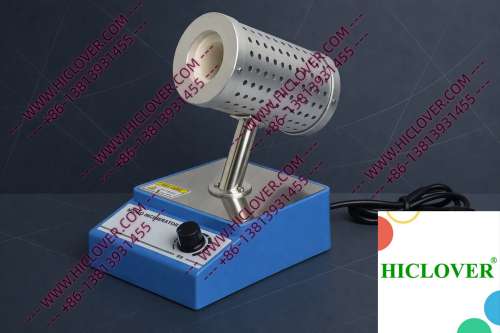
- Biosafety Cabinets: In BSL-2 labs, the Micro Incinerator can be implemented within biosafety cabinets to ensure that tools are sterilized without risking contamination of the workspace or samples.
- Field Testing Labs: Mobile laboratories used for field testing benefit from these portable sterilizers, allowing for rapid sterilization of tools at remote locations without the need for flame-based methods.
- University Teaching Labs: Educational institutions can use Micro Incinerators in teaching labs, providing students with hands-on experience in safe sterilization practices while emphasizing modern techniques over traditional flame methods.
Biosafety Compliance and Environmental Considerations
Compliance with WHO biosafety standards and laboratory sterilization regulations is a crucial aspect of lab operations. Micro Incinerators are designed to adhere to these stringent regulations, ensuring that labs operate within safe sterilization protocols. For example, since they do not involve open flames, they are compliant with requirements to avoid flames in clean rooms, thus protecting sensitive equipment and the environment. Furthermore, these devices contribute to environmental sustainability by reducing the reliance on disposable sterilization equipment, thereby lessening overall waste.
Advantages Over Traditional Flame Sterilizers
When comparing Micro Incinerators to traditional flame sterilizers such as alcohol lamps and Bunsen burners, several advantages stand out:
| Feature | Micro Incinerator | Flame Sterilizer |
|---|---|---|
| Sterilization Time | Rapid thermal sterilization | Varies, typically slower |
| Safety | No open flame, aerosol-free handling | Inherent fire hazard, potential for aerosols |
| Heat Transfer | Infrared heat, direct to tools | Combustion heat, less direct |
| Portability | Compact and movable | Dependent on gas sources |
Frequently Asked Questions (FAQs)
1. How quickly can I achieve sterilization using a Micro Incinerator?
The Micro Incinerator achieves sterilization almost instantaneously due to its rapid thermal sterilization capabilities, typically within seconds.
2. Is the Micro Incinerator safe to use in enclosed spaces?
Yes, the enclosed ceramic tube design of the Micro Incinerator ensures safety, with no open flames that could compromise sterile environments or cause harm.
3. Can I use the Micro Incinerator in both lab and field situations?
Absolutely! The Micro Incinerator is designed for versatility, making it compatible with both laboratory settings and field testing applications.
4. What biosafety standards does the Micro Incinerator adhere to?
The Micro Incinerator complies with WHO biosafety guidelines and other laboratory sterilization standards, emphasizing safety in sterile conditions.
5. How does the Micro Incinerator compare in cost to traditional methods?
While the initial investment may be higher than traditional sterilization methods, the reduced operational risks and enhanced efficiency often result in long-term savings and better resource management.
Conclusion
The implementation of the Micro Incinerator by Baton Rouge Hospital is revolutionizing medical waste management and thermal sterilization efficiency in laboratories. As a future-oriented laboratory supply distributor, understanding the benefits of this innovative sterilization technology could significantly improve laboratory biosafety compliance and operational workflow. For those looking to enhance their laboratory sterilization processes, consider acquiring the Micro Incinerator—your partner in ensuring safety, efficiency, and environmental sustainability.
For further inquiries or to explore purchasing options for Micro Incinerators, feel free to contact us today!
Categories:
Tags: