
In the realm of laboratory biosafety, particularly within biosafety level 2 (BSL-2) and level 3 (BSL-3) microbiology labs, the challenge of maintaining sterile environments is paramount. Lab managers and researchers face pressing demands for reliable, rapid sterilization methods that not only protect users but also enhance workflow efficiency. Traditional flame sterilizers such as alcohol lamps and Bunsen burners, while effective, bring with them various challenges including risk of contamination, smoke emissions, and maintenance issues. Enter the Micro Incinerator / Infrared Inoculating Loop Sterilizer, a leading-edge solution that is transforming laboratory sterilization practices.
Technical Principles of the Micro Incinerator
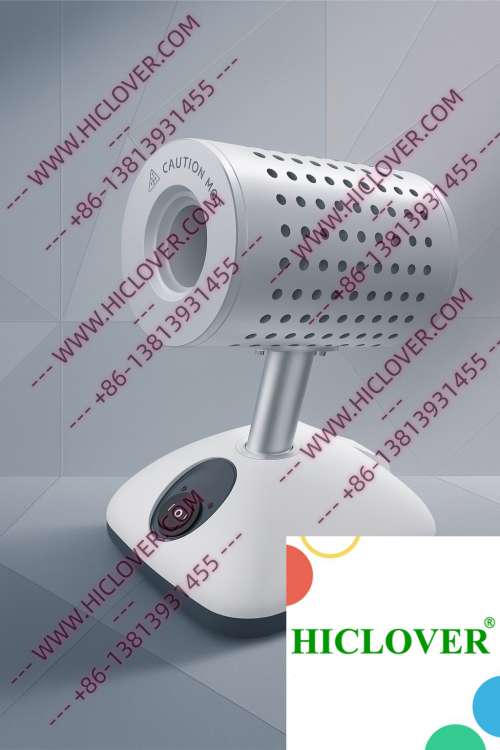
The Micro Incinerator employs innovative infrared heating technology to achieve rapid thermal sterilization. At its core is an enclosed ceramic tube, which provides controlled heating without the risks associated with open flames. This design enables temperatures to exceed 800°C with high efficiency, enabling the device to incinerate biological materials and sterilize inoculating loops and needles quickly.
- Infrared Heating: Direct transfer of heat minimizes contamination risk by eliminating the need for open flame.
- Ceramic Heating Chamber: Allows for uniform heating and longer operational life compared to traditional burners.
- Aerosol-Free Handling: The enclosed design reduces aerosol generation, critical for maintaining a clean and safe environment.
Application Scenarios in Real Labs
1. Biosafety Cabinets
In BSL-2 and BSL-3 laboratory settings, the Micro Incinerator is frequently utilized within biosafety cabinets. Its compact design ensures that it fits seamlessly within the cabinets’ workflow, allowing researchers to rapidly sterilize loops and instruments between samples without requiring the use of a traditional flame. This significantly reduces the risk of contamination and ensures a safer working environment.
2. Teaching Labs
Educational institutions in Madison are increasingly adopting the Micro Incinerator in their teaching labs. By offering students a safe and efficient method to practice sterilization techniques, educators are not only enhancing laboratory skills but also emphasizing the importance of safety standards. The ease of use and rapid sterilization capability of the Micro Incinerator allows for a continuous workflow, which is critical in a teaching setting where time and accuracy matter.
Compliance and Environmental Standards
The adoption of advanced sterilization equipment is closely tied to compliance with global laboratory safety standards. The World Health Organization (WHO) has set stringent biosafety protocols that necessitate effective sterilization methods to prevent cross-contamination and safeguard both personnel and the environment. Traditional flame sterilizers can pose a fire hazard, particularly in clean rooms where flammable materials are present. In contrast, the Micro Incinerator guarantees:
- Compliance with WHO biosafety standards.
- Zero flame presence in clean environments.
- Reduced chance of accidental burns and fires.
As regulations around laboratory safety tighten, laboratories must prioritize sterilization equipment that can meet and exceed these compliance requirements. The Micro Incinerator not only fulfills this need but does so while contributing to cleaner laboratory practices.
Comparison: Micro Incinerator vs. Traditional Flame Sterilizers
| Feature | Micro Incinerator | Flame Sterilizer |
|---|---|---|
| Heating Method | Infrared / Ceramic | Open Flame |
| Operational Safety | High (no ignition risk) | Moderate (fire hazards) |
| Contamination Control | Excellent (aerosol-free) | Good (possible aerosols) |
| Ease of Use | Simple, one-button operation | Requires lighting and constant attention |
| Heating Time | Rapid (5-15 seconds) | Variable |
Frequently Asked Questions
What types of labs can benefit from using the Micro Incinerator?
The Micro Incinerator is suitable for various settings, including BSL-2 and BSL-3 microbiology labs, clinical diagnostics laboratories, university teaching labs, and mobile or field testing labs.
How does infrared heating compare to traditional flame sterilizers?
Infrared heating allows for faster and more consistent sterilization without the risks of open flames, making it safer for use in delicate environments like clean rooms.
Is the Micro Incinerator environmentally friendly?
Yes, it reduces fumes and aerosols and provides a safer working environment, which aligns with modern sustainability principles in laboratory practices.
How long does the Micro Incinerator typically last?
With proper maintenance, the ceramic heating chamber can offer a long lifespan compared to traditional flame sterilizers that frequently require replacements or maintenance.
Can the Micro Incinerator be used with other sterilization methods?
Absolutely, it can complement other sterilization techniques, enhancing throughput and ensuring safety across multiple sterilization practices within a lab environment.
Conclusion
The Micro Incinerator / Infrared Inoculating Loop Sterilizer stands as a significant advancement in laboratory sterilization technology, especially for biosafety labs in Madison and beyond. Offering unparalleled safety, efficiency, and compliance with modern standards, it not only enhances the workflow but also positions labs at the forefront of microbiological practice and education. For institutions looking to improve their sterilization processes, investing in this cutting-edge equipment is a step toward greater safety and reliability. Contact us today to learn more about how the Micro Incinerator can enhance your laboratory’s safety standards!
Categories:
Tags: