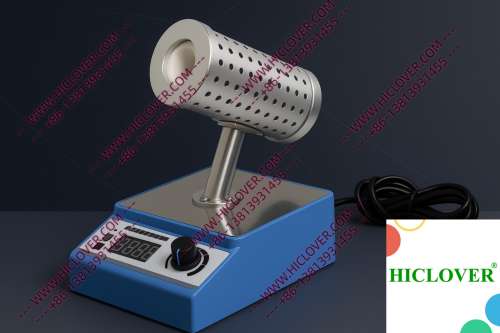
In today’s high-stakes laboratory environments, safeguarding patient health relies heavily on stringent biosafety measures. Laboratories face numerous challenges when it comes to contamination control, and the need for effective sterilization workflows cannot be overstated. Among the innovative solutions that have emerged, the Micro Incinerator / Infrared Inoculating Loop Sterilizer stands out, providing a cutting-edge approach to lab sterilization, particularly in clinical diagnostics and educational settings.
Biosafety Challenges and Modern Laboratory Demands
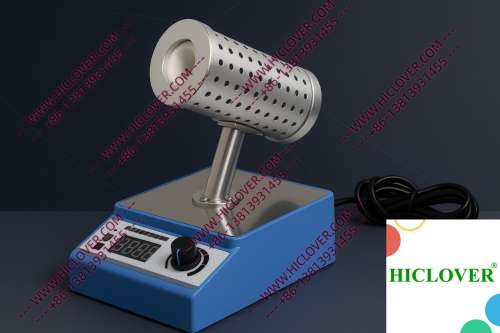
Laboratories, particularly those operating at BSL-2 and BSL-3 biosafety levels, encounter daily demands for reliable sterilization solutions. Traditional flame sterilizers, such as alcohol lamps and Bunsen burners, pose significant risks. Not only do they create open flames, which can ignite hazardous materials, but they also produce aerosols that can compromise a sterile working environment. This necessity for a cleaner, safer option has led many laboratories to reconsider their sterilization choices.
Technical Principles of the Micro Incinerator
The Micro Incinerator employs advanced infrared heat technology, utilizing a ceramic heating chamber that offers several advantages over conventional methods. When the sterilizer is activated, an infrared ray quickly raises the temperature in a closed ceramic tube to over 800°C, providing rapid thermal sterilization. This high-temperature disinfection process is not only efficient but also delivers immediate results—rendering inoculating loops and other metal instruments completely sterile in mere seconds.
Applications in Real Lab Scenarios
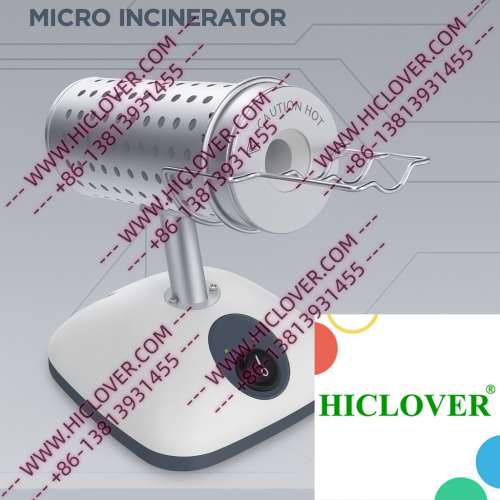
- Biosafety Cabinet: In a BSL-2 microbiology lab, the Micro Incinerator can be used within a biosafety cabinet to ensure strict contamination control. Its aerosol-free handling protects both the operator and the samples, a crucial safety feature for handling pathogens.
- Teaching Labs: University teaching environments also benefit greatly from the Micro Incinerator. Instructors can demonstrate sterile techniques safely without the fire hazards associated with traditional burners, thus enhancing the learning experience while ensuring student safety.
Compliance and Environmental Considerations
Aligning with global biosafety standards, such as those set by the WHO, enhances the credibility and reliability of laboratory practices. The incorporation of infrared sterilization techniques adheres to lab sterilization standards, minimizing risks associated with flame operations in clean rooms. Using a Micro Incinerator helps eliminate potential environment pollutants—critical for labs focused on maintaining optimal air quality and adhering to stringent safety regulations. Laboratories aiming for ISO compliance or similar certifications will find that implementing advanced sterilization methods significantly supports their objectives.
Comparison with Traditional Flame Sterilizers
| Feature | Micro Incinerator | Flame Burners |
|---|---|---|
| Sterilization Speed | Seconds | Minutes |
| Safety | No open flames | Open flames present |
| Aerosol Generation | Aerosol-free | High aerosol risk |
| Temperature Control | Consistent and high | Inconsistent |
| Environmental Impact | Lower | Higher due to combustion |
Frequently Asked Questions (FAQs)
- What is the primary advantage of using a Micro Incinerator over traditional sterilizers?
The Micro Incinerator offers rapid thermal sterilization with no flame, reducing the risk of accidents, aerosols, and contamination. - Can the Micro Incinerator be used in field testing labs?
Yes, its portable design allows efficient sterilization in various environments, including mobile testing labs. - Is it safe to use the Micro Incinerator in clean rooms?
Absolutely; it enhances safety and efficiency without producing harmful aerosols or flames. - What types of instruments can be sterilized using this device?
Metallic instruments such as inoculating loops, needles, and forceps can be quickly sterilized. - How does the Micro Incinerator align with WHO biosafety standards?
It meets stringent sterilization requirements, ensuring control over contamination and enhancing laboratory safety practices.
Conclusion: Elevate Your Sterilization Practices
As lab safety and sterilization demands continue to evolve, transitioning from traditional flame sterilizers to advanced solutions like the Micro Incinerator / Infrared Inoculating Loop Sterilizer is not merely beneficial but essential. By investing in state-of-the-art sterilization technology, laboratories can significantly reduce contamination risks, meet compliance standards, and foster an educational environment focused on safety. For additional insights or assistance with procurement, feel free to reach out. Let us help you elevate your lab’s sterilization practices today!
Categories:
Tags: