
Modern laboratories face significant biosafety challenges, from contamination control to rapid sterilization demands. Particularly in environments like BSL-2 and BSL-3 microbiology labs, maintaining a sterile workspace is crucial for reliable results and the safety of personnel. As laboratories expand their capabilities, the focus on efficient sterilization workflows becomes paramount. Enter Micro Incinerators, particularly the Infrared Inoculating Loop Sterilizer, emerging as a game-changer in laboratory sterilization equipment.
Advantages of Micro Incinerators in Lab Workflows
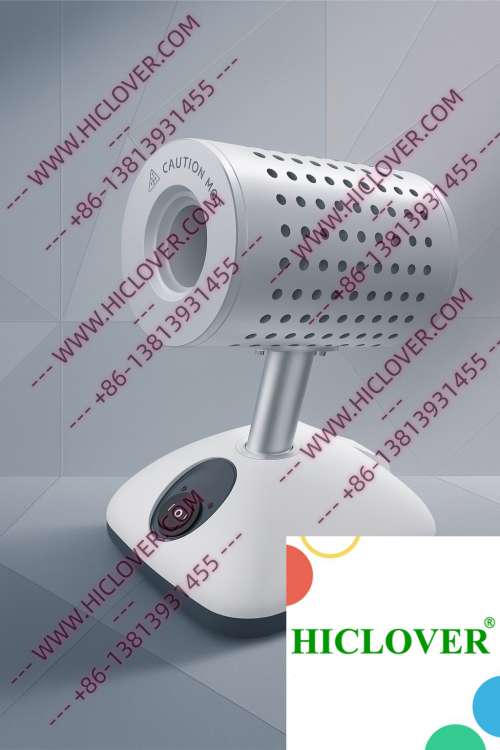
Micro Incinerators exploit the principles of infrared thermal sterilization, which provides a clean, flame-free method for disinfecting inoculating loops and other tools. These devices utilize ceramic heating chambers that reach high temperatures rapidly, ensuring effective sterilization without the flame hazards associated with traditional methods. This rapid thermal sterilization results in minimal downtime and enhances overall lab efficiency.
- Clean-Bench Safety: Without the risk of flames, labs can maintain more consistent environments.
- Aerosol-Free Handling: Users can handle tools without generating aerosols, reducing the risk of airborne contamination.
- Space Efficiency: Micro Incinerators are compact, making them ideal for labs with limited space.
Compliance and Biosafety Standards
When it comes to lab operations, compliance with regulatory standards is non-negotiable. The World Health Organization (WHO) sets guidelines for biosafety that emphasize the importance of effective sterilization tools in laboratories. Moreover, lab sterilization standards dictate that all sterilization equipment must function efficiently—particularly in clean rooms where flames from alcohol lamps and Bunsen burners are not permissible.
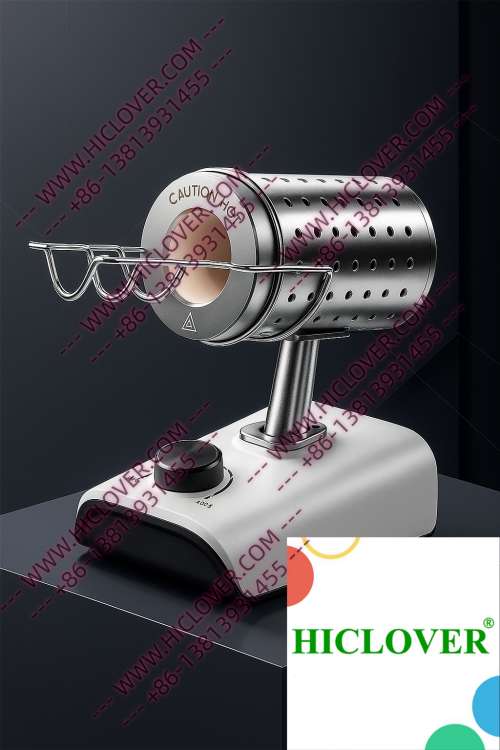
The Micro Incinerator’s design supports laboratory compliance by eliminating flame hazards and reducing contamination risks. Whether used in a biosafety cabinet or during mobile field testing, these devices guarantee adherence to necessary sterilization protocols while promoting a safer working environment.
Application Scenarios of Micro Incinerators
In real laboratory settings, the use of Micro Incinerators has shown promising adaptability and effectiveness. Below are two notable application scenarios:
1. Biosafety Cabinets
In BSL-2 and BSL-3 laboratories, biosafety cabinets are essential for microbiological research. Here, Micro Incinerators allow researchers to sterilize loops directly within the cabinet. This integration not only maintains sterility but also ensures that researchers can rapidly switch between tasks without leaving the sterile zone, effectively controlling contamination.
2. University Teaching Labs
In teaching laboratories, where students must learn sterile techniques, using a Micro Incinerator enhances the educational experience. Students can see and understand the rapid heat sterilization process without the traditional risks associated with flame. This visibility promotes a better grasp of sterilization principles while ensuring a safe learning environment.
Micro Incinerator vs. Traditional Flame Sterilizers
To further illustrate the advantages of Micro Incinerators over traditional methods like alcohol lamps and Bunsen burners, the following comparison table highlights key distinctions:
| Feature | Micro Incinerator | Flame Sterilizers |
|---|---|---|
| Safety | No flame, reduced fire risk | Open flames increase fire hazards |
| Contamination Control | Aerosol-free, clean handling | Risk of aerosol generation |
| Heat Time | Rapid heating within seconds | Time-consuming ignition and cooling |
| Portability | Compact and lightweight | Bulky and less portable |
| Versatility | Multiple unit configurations | Limited to specific applications |
Frequently Asked Questions (FAQs)
What is a Micro Incinerator?
A Micro Incinerator is an advanced sterilization device that utilizes infrared heat technology for rapid and effective disinfection of inoculating loops and other tools in laboratories.
How does the infrared sterilization process work?
The infrared sterilization process operates through a ceramic heating chamber that reaches high temperatures quickly, ensuring the destruction of pathogens without the need for flames.
Can Micro Incinerators be used in field testing labs?
Yes, Micro Incinerators are lightweight and portable, making them an ideal option for mobile field testing laboratories where efficient sterilization is necessary.
Are Micro Incinerators compliant with WHO biosafety standards?
Absolutely, Micro Incinerators meet WHO biosafety guidelines by promoting safe, flame-free sterilization practices, critical in maintaining laboratory standards.
What are the maintenance requirements for a Micro Incinerator?
Regularly inspect the ceramic tube and heating elements for wear. It’s also important to ensure that the device is kept clean and free of contamination.
Conclusion
With the increasing demand for efficient laboratory waste disposal solutions, Beijing’s laboratories are setting a precedent by embracing Micro Incinerators. These ingenious devices not only streamline sterilization workflows but also enhance safety and compliance with stringent biosafety standards. Whether in clinical diagnostics or university teaching labs, the benefits of transitioning to Micro Incinerators are clear.
For laboratories looking to enhance their sterilization capabilities, investing in Micro Incinerators can make a significant difference. Contact us today to learn more about how you can integrate this technology into your laboratory practices and ensure a safer working environment.
Categories:
Tags: