
In the rapidly evolving field of microbiology, maintaining a sterile environment is crucial for accurate results, especially during training programs. The inherent challenges of laboratory biosafety require an in-depth understanding of laboratory sterilization equipment such as the Micro Incinerator or Infrared Inoculating Loop Sterilizer. As laboratories worldwide adapt to new biosafety standards, the role of effective sterilizers becomes ever more critical in mitigating contamination risks and ensuring high-level compliance.
The Principles of Infrared Sterilization
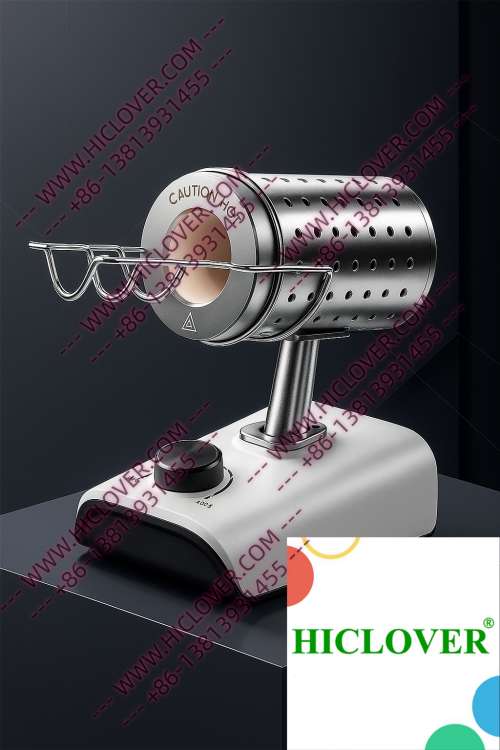
The Micro Incinerator, commonly referred to as an infrared inoculating loop sterilizer, employs a unique thermal principle that sets it apart from traditional flame-based sterilization methods. Utilizing infrared heat, this device achieves rapid thermal sterilization through an enclosed ceramic heating chamber that reaches high temperatures within seconds. As the inoculating loop is inserted into the sterilizer, it effectively eliminates bacteria and other pathogens without the hazardous fumes or instability associated with flame sterilizers.
Key Features of the Micro Incinerator
- Rapid Sterilization: Achieves sterilization in as little as 5–10 seconds.
- Safe and Clean Operations: Aerosol-free handling, ensuring cleaner environments.
- Energy Efficiency: Lower power consumption compared to traditional flame sterilizers.
- Durability: Long-lasting ceramic elements that require minimal maintenance.
Real-Life Applications in Laboratory Environments
The Micro Incinerator supports diverse laboratory applications where sterilization is paramount. Below are two practical scenarios illustrating its advantages:
Application Scenario 1: University Teaching Labs
In university microbiology teaching labs, the Micro Incinerator provides a safe and effective means for students to practice aseptic techniques. With proper guidance, students can learn to use the sterilizer to quickly and efficiently sterilize inoculating loops between cultures. This not only enhances their practical skills but also fosters a deeper understanding of contamination control.
Application Scenario 2: Clinical Diagnostics in BSL-2 Laboratories
For BSL-2 clinical diagnostics, the Micro Incinerator is essential in handling samples that may contain pathogenic organisms. After inoculation, lab technicians can use the device within a biosafety cabinet to ensure that all instruments are sterilized before being returned to service. This closed-system approach reduces the risk of exposure to infectious materials, aligning with stringent laboratory practices.
Compliance and Environmental Considerations
Laboratories today face rigorous guidelines set by organizations such as the World Health Organization (WHO), which dictate protocols for biosafety and sterilization procedures. Selecting equipment that complies with these standards is not only crucial for maintaining laboratory integrity but also for demonstrating commitment to safety.
“Choosing the right sterilization equipment like the Micro Incinerator aligns with WHO biosafety standards and minimizes contamination risk in microbiological processes.” – Lab Safety Advocate
Moreover, in clean room environments where flames from traditional methods are prohibited, the Micro Incinerator stands out as a compliant alternative. Its rapid sterilization capability without producing aerosols provides a significant edge in areas requiring high-level contamination control.
Comparison: Micro Incinerator vs. Flame Burners
| Feature | Micro Incinerator | Flame Burners |
|---|---|---|
| Speed of Sterilization | 5–10 seconds | 20–30 seconds |
| Aerosol Production | No | Yes |
| Energy Consumption | Lower | Higher |
| Safety | Safe for Clean Environments | Open Flame Risks |
Frequently Asked Questions
1. How fast does the Micro Incinerator sterilize inoculating loops?
The Micro Incinerator sterilizes inoculating loops within 5 to 10 seconds, making it a rapid solution for contamination control.
2. Can the Micro Incinerator be used in BSL-3 labs?
Yes, the Micro Incinerator meets the safety standards for use in BSL-3 laboratories, enhancing biosafety through effective sterilization.
3. Is the Micro Incinerator environmentally safe?
Absolutely! The Micro Incinerator does not produce harmful aerosols, making it suitable for clean room applications.
4. How does the maintenance of a Micro Incinerator compare to flame sterilizers?
The Micro Incinerator requires minimal maintenance compared to flame sterilizers, primarily due to its durable ceramic elements.
5. Why should I consider switching from a flame burner to a Micro Incinerator?
Switching to a Micro Incinerator offers benefits like rapid sterilization, reduced contamination risks, and compliance with modern laboratory safety standards.
Conclusion
In the world of microbiology training and laboratory research, the choice of sterilization equipment can profoundly affect both the results and the safety of laboratory practices. The Micro Incinerator, with its rapid thermal sterilization capabilities and compliance with strict biosafety standards, presents an ideal solution for contemporary labs, including university teaching environments and clinical research scenarios. To enhance your laboratory’s sterilization practices, consider investing in a Micro Incinerator today, ensuring a safer, more efficient workflow for all.
Categories:
Tags: