
In laboratories worldwide, the need for effective contamination control continues to be a vital aspect of biosafety and hygiene protocols. Whether in a BSL-2 microbiology lab, a clinical diagnostics center, or a university teaching lab, researchers face several challenges with traditional sterilization methods, such as alcohol lamps and Bunsen burners. These conventional tools, while useful, pose risks such as flame ignitions, aerosols, and the requirement for extensive cleanup. Enter, the Micro Incinerator / Infrared Inoculating Loop Sterilizer—a revolutionary solution designed to elevate sterilization efficiency while diminishing risks associated with open flames.
Principles Behind Flameless Sterilization: How Do Infrared Heaters Work?
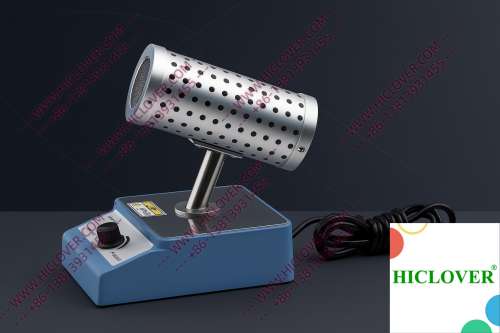
At the heart of the Micro Incinerator lies a high-temperature infrared heating element, which is engineered to rapidly and effectively sterilize inoculating loops, needles, and other small laboratory instruments. The enclosed ceramic tube absorbs and radiates infrared heat, allowing even exposure without the abrupt temperature fluctuations that flame sterilizers often experience. This mechanism ensures:
- Rapid Thermal Sterilization: Instruments achieve effective sterilization in seconds.
- Controlled Environment: Minimal risk of contamination due to the closed system.
- Durability: Robust ceramic materials withstand repeated use without degradation.
Thanks to this innovative technology, complications inherent to flame sterilizers are eliminated. Users can directly monitor the heating process, ensuring consistency and effectiveness with every sterilization cycle.
Applications in Real Laboratories: Where Flameless Technology Shines
The versatility of the Micro Incinerator makes it suitable for various laboratory settings. Below are two distinct application scenarios:
1. Biosafety Cabinets
In BSL-2 and BSL-3 laboratories, stringent biosafety protocols dictate the handling and sterilization of microbial culture tools. The Micro Incinerator integrates seamlessly into biosafety cabinets, providing a clean-bench-safe option for sterilizing inoculating loops and ensuring minimal risk of contamination or exposure to toxic pathogens. In these environments, the lack of an open flame mitigates the risk of ignition, thereby safeguarding against potential accidents.
2. Field Testing and Mobile Labs
Laboratories conducting field testing, particularly in rural or remote areas, benefit greatly from flameless sterilization. Lightweight and portable models of the Micro Incinerator allow researchers to carry sterilization equipment conveniently, offering an inline sterilization process that is aerosol-free and effective. This design ensures that samples taken in the field maintain integrity while adhering to strict sterilization protocols without the need for traditional fuel sources.
Compliance and Environmental Considerations
Compliance with global biosafety standards is paramount in laboratory operations. The World Health Organization (WHO) emphasizes the importance of effective sterilization practices to control infection and contamination. Traditional flame sterilizers, often found inadequate in clean rooms and sensitive environments, pose higher risks. The Micro Incinerator fits the bill perfectly, aligning with various lab sterilization standards and making it a compliant choice.
Additionally, the flameless design of this sterilizer contributes to a more environmentally friendly lab operation, reducing the carbon footprint associated with traditional flame-based systems. The absence of flammable substances not only increases safety but also conforms to contemporary sustainability practices within research facilities.
Pros and Cons: Micro Incinerator vs. Traditional Flame Sterilizers
| Features | Micro Incinerator | Traditional Flame Sterilizers |
|---|---|---|
| Heating Mechanism | Infrared heat | Open flame |
| Safety | Flameless, reduced risk of fire | Increased risk of ignition |
| Cooling Time | Instant cooling | Extended due to the flame |
| Contamination Risk | Minimal, closed system | High, due to aerosol production |
| Operational Cost | Energy-efficient | Ongoing fuel costs |
Frequently Asked Questions
- What makes the Micro Incinerator safer than traditional flame sterilizers?
The Micro Incinerator operates without an open flame, thus eliminating risks associated with ignition and fire hazards, making it ideal for sensitive laboratory environments. - How quickly does the Micro Incinerator sterilize instruments?
Instruments can be effectively sterilized within seconds due to the rapid thermal capabilities of the infrared heating element. - Can the Micro Incinerator be used in field testing?
Absolutely! The portability and flameless design make it suitable for on-site operations and mobile labs. - Is the Micro Incinerator compliant with WHO biosafety standards?
Yes, it adheres to international biosafety and sterilization standards, ensuring compliance in various lab settings. - What are the key advantages of using an infrared sterilizer in teaching labs?
Infrared sterilizers offer a safe, effective, and efficient method of sterilization, reducing the potential for accidents and creating a safer learning environment.
Conclusion
As laboratories evolve and the need for safe, efficient sterilization methods increases, the Micro Incinerator / Infrared Inoculating Loop Sterilizer stands out as a leading solution. Its innovative flameless technology meets modern sterile requirements while maintaining compliance with global biosafety standards. To explore how this advanced sterilization equipment can enhance your laboratory’s workflow and safety protocols, do not hesitate to contact us today. Let’s drive your laboratory’s productivity and safety together!
Categories:
Tags: