
In today’s laboratory settings, maintaining rigorous biosafety and contamination control is paramount. With the incessant threat of microbial contamination, especially in labs dealing with high-risk pathogens or in educational institutions conducting microbiology experiments, the demand for reliable sterilization methods cannot be overstated. A pivotal component in maintaining a clean laboratory environment is the inoculation tool sterilizer, specifically the Micro Incinerator or Infrared Inoculating Loop Sterilizer.
Understanding the Technical Principles Behind Infrared Sterilization
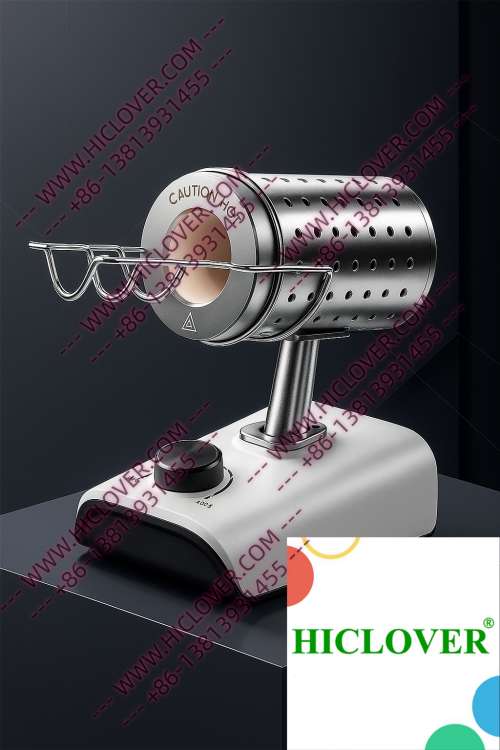
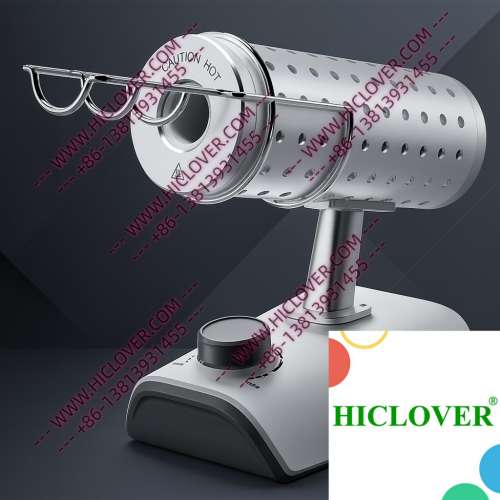
The Micro Incinerator operates on a principle of rapid thermal sterilization through infrared heat, utilizing a ceramic heating chamber. This high-temperature disinfection method creates an enclosed environment, allowing for an efficient and even heating of inoculation tools such as loops, needles, and spreaders. The absence of traditional flames or alcohol-based techniques contributes significantly to aerosol-free handling, minimizing contamination risks inherent in more conventional sterilization methods.
Advantages Over Traditional Flame Sterilizers
When evaluating sterilization options, it’s crucial to consider the numerous advantages of using a Micro Incinerator compared to traditional flame sterilizers like alcohol lamps and Bunsen burners:
- Safety: No open flames, reducing the risk of fire hazards.
- Efficiency: Faster sterilization cycles, making workflows smoother.
- Consistency: Controlled temperatures ensure reliable and uniform sterility.
- Aerosol-free: Prevents the release of harmful aerosols into the lab environment.
- Versatility: Suitable for various lab settings including BSL-2 and BSL-3 laboratories.
Application Scenarios for Micro Incinerators
The versatility of the Micro Incinerator extends to various laboratory settings, providing essential benefits in different applications:
Biosafety Cabinets
In biosafety cabinets, where sterility is non-negotiable, the Micro Incinerator excels at delivering rapid and effective tool sterilization. Its ability to operate without generating aerosols provides additional safety when working with pathogenic samples.
Field Testing
Mobile or field testing labs are often subjected to unpredictable environmental conditions. The compact and portable nature of Micro Incinerators makes them indispensable tools for researchers needing reliable sterilization during fieldwork, ensuring that sample integrity is maintained, and contamination is eliminated.
Compliance and Regulatory Standards
Adhering to strict biosafety guidelines is essential, particularly when sterilizing equipment in BSL-2 or BSL-3 microbiology labs. The World Health Organization (WHO) emphasizes the importance of efficient sterility protocols, mandating that laboratories implement best practices to mitigate risks associated with pathogen exposure.
Additionally, laboratory sterilization equipment must comply with regional standards and regulations. The restrictions on open flames in clean rooms necessitate an alternative solution, which is where the Micro Incinerator shines. By eliminating flames, it not only meets but exceeds compliance requirements.
Comparative Analysis: Micro Incinerator vs. Traditional Flame Burners
| Feature | Micro Incinerator | Flame Burners |
|---|---|---|
| Heat Source | Infrared Ceramic | Open Flame |
| Safety | No Fire Hazard | Fire Risk |
| Speed of Use | Fast Sterilization | Variable Sterilization Times |
| Aerosol Generation | No | Yes |
| Maintenance | Low | High (fuel, cleanliness) |
Frequently Asked Questions (FAQs)
What is the difference between a Micro Incinerator and a traditional Bunsen burner?
The key difference lies in the heating mechanism; Micro Incinerators use infrared heat without an open flame, minimizing contamination risks while ensuring consistent sterilization.
Can I use the Micro Incinerator in a field lab setting?
Yes, its compact design and efficient sterilization make it ideal for field testing labs, providing reliability in various environmental conditions.
How long does it take to sterilize an inoculation loop with a Micro Incinerator?
Typically, sterilization takes between 5 to 15 seconds, significantly reducing workflow time compared to traditional methods.
Enhancing Lab Workflow and Safety
Investing in a Micro Incinerator means equipping your laboratory with a tool that enhances both safety and operational efficiency. By eliminating the need for open flames and improving sterilization speed, labs can focus on their primary objective: effective research and testing.
Whether you’re operating in a clinical diagnostics lab, a university teaching facility, or conducting field research, the Micro Incinerator’s adaptability ensures that you meet both regulatory standards and operational demands.
Conclusion
If you’re ready to revolutionize your lab’s sterilization processes with a Micro Incinerator, don’t hesitate to reach out to us. Our expertise in laboratory sterilization equipment guarantees that you’ll receive top-tier products and support tailored to your needs. Get in touch with us today and elevate your sterilization standards!
Categories:
Tags: