
In the ever-evolving landscape of laboratory settings, effective biosafety measures have become paramount, especially in environments handling sensitive biological samples. Birmingham hospitals are addressing critical sterilization challenges with innovative solutions, particularly the Micro Incinerator or Infrared Inoculating Loop Sterilizer. This technology meets the demands for efficient sterilization in both clinical and academic laboratories, marking a significant shift from traditional flame-based methods to a more reliable and versatile option.
Understanding the Technical Principle
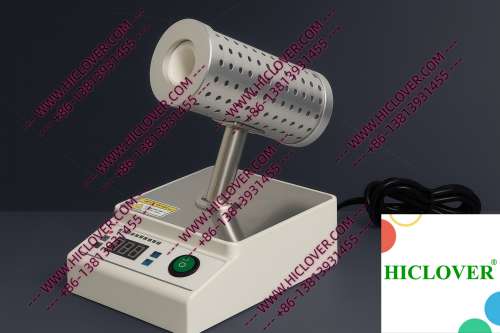
The core innovation behind portable sterilization solutions, like the Micro Incinerator, is infrared heat technology. Traditional flame sterilizers, while effective, pose risks such as aerosol generation and contamination control challenges. In contrast, the Micro Incinerator employs an enclosed ceramic heating chamber that facilitates rapid thermal sterilization without producing hazardous vapors. The infrared elements quickly elevate the temperature to sterilizing levels, ensuring effective disinfection while maintaining a clean workspace.
Advantages Over Traditional Flame Sterilizers
When comparing the Micro Incinerator to traditional alcohol lamps and Bunsen burners, several advantages emerge:
- Safety: Elimination of open flames reduces fire hazards, particularly in cleanroom settings.
- Efficiency: Infrared heating delivers quicker sterilization cycles, enhancing lab workflow.
- Contamination Control: The enclosed design minimizes the risk of aerosolization and airflow disturbances.
- Mobility: Portable models are ideal for field testing and laboratories lacking fixed setups.
Practical Applications in Laboratories
The Micro Incinerator has found its niche in various laboratory environments:
Biosafety Cabinets
In BSL-2 and BSL-3 microbiology labs, maintaining stringent biosafety standards is crucial. The Micro Incinerator is commonly employed within biosafety cabinets, providing quick and effective sterilization of inoculating loops and needles. This environment, where contamination can have dire consequences, benefits from the device’s ability to quickly reach high temperatures without the risks associated with conventional flames.
Field Testing
Field testing operations, particularly in remote locations, often lack access to standard laboratory facilities. The portability of the Micro Incinerator makes it an essential tool for environmental scientists conducting sample collection and analysis on-site. With its lightweight, compact design and rapid sterilization capabilities, researchers can ensure sample integrity without compromising on safety.
Compliance and Environmental Considerations
Adhering to global biosafety standards, such as those set by the World Health Organization (WHO), is integral to laboratory operations. The use of the Micro Incinerator aligns with lab sterilization standards that emphasize the reduction of open flames in clean environments. Compliance doesn’t only prevent contamination but also establishes a safer working atmosphere for lab personnel.
For example, laboratories utilizing CO₂ incubators or anaerobic chambers must maintain sterile conditions to prevent cross-contamination. Having a reliable sterilization tool like the Micro Incinerator facilitates compliance with these regulations, ensuring that laboratory practices remain safe and effective.
FAQs About the Micro Incinerator
1. How does the Micro Incinerator work?
The device uses infrared heating technology within a ceramic chamber to rapidly sterilize inoculating loops and needles without open flames.
2. What are the benefits of using infrared sterilization in laboratories?
Infrared sterilization offers enhanced safety, efficiency, and contamination control, allowing labs to maintain high biosafety standards.
3. Can the Micro Incinerator be used in field testing applications?
Yes, its portable design is ideal for field testing, providing effective sterilization in remote or outdoor environments.
4. Is the Micro Incinerator compliant with WHO biosafety regulations?
Yes, it adheres to international biosafety standards, making it suitable for use in various laboratory settings, including BSL-2 and BSL-3 labs.
5. How does the Micro Incinerator compare to traditional flame sterilizers?
It provides quicker sterilization times, reduces the risk of burns and fire hazards, and minimizes aerosol generation compared to traditional methods.
Final Thoughts: A Safer Future in Lab Sterilization
As Birmingham hospitals and laboratories further embrace advanced sterilization technologies like the Micro Incinerator, it becomes evident that the future of laboratory sterilization is shifting towards greater safety and efficiency. This innovative solution promises to alleviate common sterilization challenges faced in both clinical and educational settings, ensuring that the highest standards of biosafety are met.
For laboratories looking to improve their sterilization workflows and ensure compliance with stringent biosafety regulations, integrating the Micro Incinerator is a step toward safer operations. To learn more about how this technology can transform your laboratory practices, we encourage you to reach out for a consultation or purchase today.
Categories:
Tags: