
In the rapid-paced world of laboratory work, the demand for effective sterilization solutions is more pressing than ever. Modern laboratories face numerous biosafety challenges, with contamination control being the cornerstone of compliant laboratory operations. Particularly in settings such as BSL-2 or BSL-3 microbiology labs, the need for reliable sterilization methods is vital to protect laboratory personnel and ensure the integrity of research outcomes. One of the latest innovations addressing these needs is Tucson’s new Micro Incinerator, particularly focusing on its effectiveness as an Infrared Inoculating Loop Sterilizer.
Understanding the Micro Incinerator: Technical Principles and Configuration
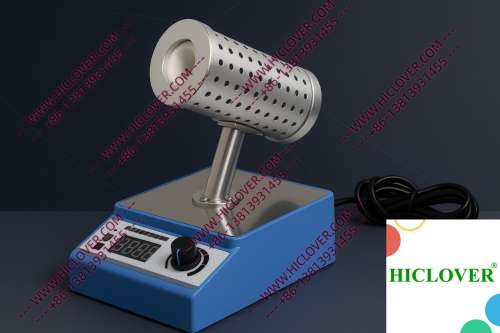
The Micro Incinerator operates on a principle of rapid thermal sterilization, utilizing advanced infrared technology to generate high temperatures swiftly. By integrating a ceramic heating chamber into its design, this device can achieve disinfection temperatures that are consistent and reliable. Unlike traditional flame sterilizers such as Bunsen burners and alcohol lamps, which can present hazards and introduce aerosols into the laboratory environment, the Micro Incinerator offers a clean-bench-safe solution.
Advantages Over Traditional Flame Sterilizers
- Safety: Eliminates open flames, reducing the risk of fire and burns.
- Efficiency: Rapid heating reduces downtime during sterilization procedures.
- Equitable Sterilization: Provides consistent, high-temperature disinfection without fluctuation, ensuring all tools are equally sterile.
- Controlled Temperature: Infrared technology enables precise control, ideal for sensitive lab environments.
- Alignment with WHO biosafety recommendations for sterilization and decontamination.
- Reduction of aerosols and potential contamination during routine lab procedures.
- Conformity with standards for clean environments, enhancing overall lab safety.
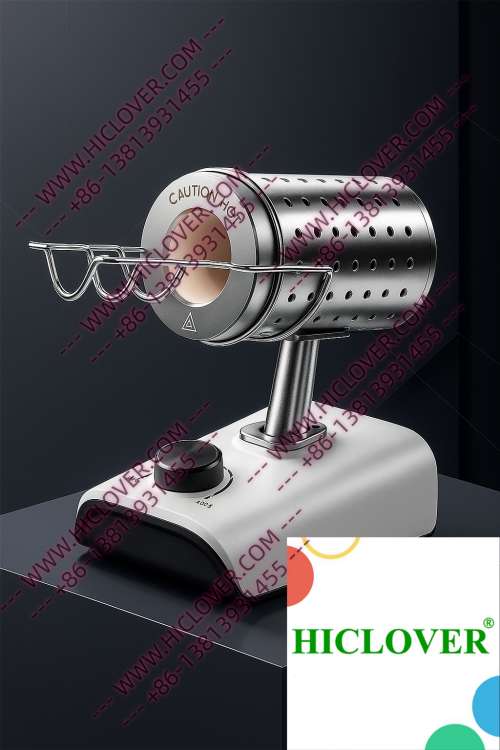
Application Scenarios in Real Laboratories
The versatility of the Micro Incinerator shines through in varied laboratory applications:
1. Biosafety Cabinets in Microbiology Labs
In microbiology laboratories, particularly those engaged in clinical diagnostics and research, maintaining a sterile environment is crucial. By integrating the Micro Incinerator within biosafety cabinets, laboratory technicians can effectively sterilize inoculating loops and other tools without the risks associated with flame sterilizers. The sterile work surface remains undisturbed, enhancing both safety and workflow efficiency.
2. Field Testing Environments
For mobile labs engaged in field testing, such as environmental or ecological studies, the portability and rapid startup of the Micro Incinerator make it an optimal choice. Researchers can conduct swift sterilization in situ, ensuring that any samples collected remain uncontaminated. The lack of an open flame is particularly beneficial when working in dry or windy conditions.
Compliance with Biosafety Standards
In today’s regulatory landscape, compliance with biosafety and sterilization standards is non-negotiable. This is particularly true for laboratories operating under guidelines from the World Health Organization (WHO) and other regulatory bodies. Ensuring that sterilization practices align with established laboratory sterilization standards, including the ISO 14937 for general validation of sterilization, is essential. With a Micro Incinerator, labs can maintain adherence to protocols by eliminating the use of flames, making it safe for use in clean rooms where any introduction of combustion is strictly prohibited.
Key Compliance Benefits:
FAQ: Micro Incinerator and Its Applications
What is a Micro Incinerator?
The Micro Incinerator is a laboratory sterilization device that uses infrared technology to achieve high-temperature sterilization efficiently and safely, eliminating the need for open flames.
How does a Micro Incinerator compare to traditional flame sterilizers?
Unlike traditional flame sterilizers, the Micro Incinerator offers precision sterilization without the risks associated with fire, ensuring a safe working environment and minimizing contamination risks.
What are the main advantages of using a Micro Incinerator in a laboratory setting?
The main advantages include enhanced safety through the elimination of open flames, rapid and efficient sterilization, consistent high-temperature disinfection, and suitability for sensitive environments such as biosafety cabinets.
Can a Micro Incinerator be used in field testing applications?
Absolutely! Its portable design and quick startup time make it ideal for mobile laboratories conducting field testing, where rapid sterilization is necessary.
What compliance standards does a Micro Incinerator meet?
The Micro Incinerator complies with WHO biosafety recommendations and ISO standards for sterilization, making it suitable for various laboratory environments.
Conclusion
The introduction of Tucson’s Micro Incinerator marks a significant leap forward in laboratory sterilization technology, addressing crucial biosafety challenges while enhancing operational workflows. For those involved in laboratory supply distribution, hospitals, universities, and research centers, investing in this innovative sterilization equipment is not just a practical decision but a step toward ensuring safety and compliance across laboratory environments. Whether upgrading existing equipment or introducing new technology, consider the Micro Incinerator for a safer and more efficient sterilization solution.
Contact us today to learn more about the Micro Incinerator and elevate your laboratory’s sterilization practices.
Categories:
Tags: