
In an era where laboratory biosafety is paramount, laboratories are continually facing the challenge of maintaining stringent sterilization protocols without compromising space and efficiency. Traditional flame sterilizers, such as alcohol lamps and Bunsen burners, have been the go-to solutions for many years. However, the need for enhanced safety and streamlined workflows is steering laboratories toward innovative solutions like the Micro Incinerator, particularly the Infrared Inoculating Loop Sterilizer.
Understanding Micro Incinerator Technology
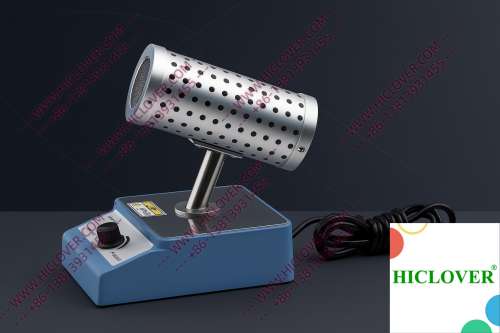
The backbone of the Micro Incinerator’s functionality lies in its use of infrared heat for rapid thermal sterilization. Unlike conventional flame sterilizers that emit an open flame, the Micro Incinerator employs a ceramic heating chamber that encases the sterilization process. This innovation ensures aerosol-free handling and minimizes the risk of cross-contamination, making it ideal for sensitive laboratory environments.
The design typically features an enclosed ceramic tube that reaches high temperatures almost instantaneously, allowing for the rapid destruction of microbial life on inoculating loops, needles, and other lab tools. This mechanism provides reliable contamination control and is compliant with modern laboratory safety standards.
Application Scenarios: Real-World Uses of Micro Incinerators
Biosafety Cabinets
In BSL-2 and BSL-3 microbiology labs, where pathogens are handled under strict safety protocols, the Micro Incinerator proves invaluable. It can effectively sterilize implements within the confines of a biosafety cabinet (BSC) without introducing additional fire hazards. Practitioners can quickly process tools between experiments, ensuring that no pathogens escape or contaminate adjacent workspaces.
University Teaching Labs
For educational institutions, the Micro Incinerator acts as an excellent learning tool. Instead of managing a potentially dangerous flame in classroom settings, instructors can use the Infrared Inoculating Loop Sterilizer to safely demonstrate sterilization techniques. This promotes a cleaner and safer learning environment while adhering to compliance with WHO biosafety guidelines.
Compliance and Environmental Considerations
Laboratory safety compliance is a significant concern, particularly in contexts requiring adherence to international standards. The use of flame sterilizers can pose inherent risks in cleanroom environments where ignition sources are strictly regulated. The Micro Incinerator complies with numerous sterilization standards, including:
- ISO 15189:2012 for medical laboratories
- CLIA regulations for clinical laboratories
- Local environmental safety laws
Moreover, eliminating the open flame ensures the integrity of clean environments, reducing the risk of contamination in areas like CO₂ incubators or anaerobic chambers. The environmental benefits include less emission compared to gas-based heating methods, contributing to a more sustainable laboratory practice.
Comparative Analysis: Micro Incinerators vs. Traditional Flame Sterilizers
| Feature | Micro Incinerator | Flame Sterilizers |
|---|---|---|
| Heat Source | Infrared | Open Flame |
| Safety | Non-flammable | Fire Hazard |
| Contamination Control | Aerosol-free | Possible cross-contamination |
| Speed of Sterilization | Instant heating | Variable |
| Laboratory Compliance | meets WHO standards | might not meet cleanroom criteria |
FAQs about Micro Incinerators
1. What is the primary advantage of using a Micro Incinerator over a traditional flame sterilizer?
The Micro Incinerator provides more controlled and safe sterilization without the risk of open flames, making it ideal for sensitive laboratory environments.
2. Can a Micro Incinerator be used in a BSL-3 lab environment?
Yes, it is designed to meet the stringent safety requirements for high-containment labs, facilitating sterile practices within biosafety cabinets.
3. How does the Micro Incinerator maintain compliance with sterilization standards?
It adheres to various international standards, including ISO and CLIA guidelines, ensuring its suitability for medical and clinical applications.
4. Is maintenance required for a Micro Incinerator?
Regular maintenance is minimal; however, routine checks on the ceramic heating chamber’s integrity and cleanliness help maximize its operational efficiency.
5. Where can I purchase or inquire more about Micro Incinerators in Osaka?
Interested buyers can reach out to local laboratory supply distributors or contact manufacturers directly for more information and a demonstration.
Conclusion: The Future of Laboratory Sterilization
As labs, particularly in rapidly advancing fields like clinical diagnostics and environmental testing, seek safer and more effective sterilization methods, the Micro Incinerator stands out as a game-changer. Its innovative technology not only enhances workflow efficiency but also aligns with international safety and environmental standards. For laboratories in Osaka and beyond, embracing the Micro Incinerator could streamline sterilization processes while prioritizing safety compliance. Contact us today to learn more about implementing this revolutionary solution in your laboratory!
Categories:
Tags: